Category: Healthy Ingredients
10 Easy Ways Cafés Can Use Organic LSA in Every Menu
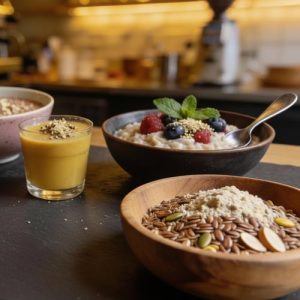
Looking for one product that quietly lifts the nutrition and appeal of half your menu? Organic LSA is a blend of linseed, sunflower seed and almond with added probiotic—it brings plant-based protein, fibre and omega-3s in a format that’s fast for your team to use and easy for customers to understand. Whether you’re adding LSA to smoothies, sprinkling it over bowls, or baking with it, this mix works everywhere. Here are 10 simple ideas to get more value from every bag.
1. LSA smoothie ideas: boost protein and fibre
Stir 1–2 tablespoons (10–20g) of Organic LSA into each smoothie before blending.
It thickens naturally, adds a nutty flavour, and boosts plant-based protein and fibre without extra prep. On your menu, call it out as “+ organic LSA with probiotic” as a paid upgrade for green, berry or breakfast blends.
2. LSA topping for yoghurt and cereal
Use LSA as a finishing sprinkle over existing granola or muesli bowls.
A 1 tablespoon (10g) scatter adds visible texture and nutrition with zero extra labour. Position it as a “protein and omega-3 topper” on signature bowls or as a standard inclusion on your healthiest option.
3. LSA breakfast ideas: overnight oats
Stir 2 tablespoons (20g) of LSA into each portion of overnight oats along with your usual milk or yoghurt.
It helps create a thicker, creamier texture and adds a subtle roasted seed flavour. Highlight it on the menu line: “rolled oats, organic LSA with probiotic, chia, seasonal fruit”.
4. LSA yoghurt parfaits
Build simple café parfaits: Greek or coconut yoghurt, seasonal fruit, granola, then a visible layer of Organic LSA with Probiotic on top.
The fine texture contrasts nicely with chunkier granola and gives a clear “wholefood” look in glassware. Prep in batches so staff simply grab, garnish and serve during the rush.
5. LSA smoothie bowl topping
Fold 1–2 tablespoons (10–20g) of LSA into açai or smoothie bowl bases before pouring, then add a final sprinkle over the top.
This keeps the texture scoopable whilst increasing satiety and perceived value. On the menu, mention “thickened with organic LSA for a nutrient boost”.
6. Using LSA in baking
Replace 10–20% of the flour in banana bread, carrot cake or breakfast muffins with Organic LSA with Probiotic.
It adds moisture, nuttiness and a more wholesome crumb without scaring off traditional customers. Use this in your behind-the-scenes prep and mention on cabinet tags: “made with organic LSA (linseed, sunflower seed and almond)”.
7. LSA snack ideas
Combine dates, oats or coconut, nut butter and LSA in the food processor, then roll into portioned balls and chill.
LSA does double duty as both a binder and a nutrient-dense base, so you need fewer separate ingredients. Roll finished balls in a light coat of LSA instead of cocoa or coconut for a distinctive look in the display.
8. LSA breakfast ideas: hot porridge
Offer Organic LSA With Probiotic as a standard mix-in for winter porridge.
Stir 1 tablespoon (10g) through just before serving so it keeps some texture and doesn’t over-thicken on the stove. Print a simple call-out on your menu board: “Served with organic LSA, seeds and seasonal fruit”.
9. LSA brunch topping
Use LSA as an alternative to icing sugar on pancakes or waffles.
Plate, add fruit and yoghurt, then finish with a generous sprinkle of LSA for a café-appropriate, less-refined look. This works particularly well on kids’ and brunch dishes, where parents appreciate a more nutrient-dense option without it feeling “too healthy.
10. Selling organic LSA at the counter
Decant LSA into labelled jars for your shelves or merchandise the 200g packs near the counter.
Train staff with a simple line: “It’s the same organic LSA we use in our smoothies and bowls – great over yoghurt or in baking at home.” This turns a back-of-house staple into a small but steady retail revenue stream.
Frequently asked questions
What is organic LSA?
Organic LSA is a ground blend of linseed, sunflower seed and almond. When combined with a probiotic culture like BC30, it delivers plant-based protein, omega-3 fatty acids, dietary fibre and beneficial bacteria in one convenient ingredient. It’s widely used in health-focused cafés, smoothie bars and bakeries across Australia.
How much organic LSA should I use per serving?
Most café applications use 1–2 tablespoons (10–20g) per serve, depending on the dish. For smoothies and smoothie bowls, 10–20g is typical; for overnight oats and porridge, 15–20g works well; and for baking, you’d replace 10–20% of flour weight. Start with 10g and adjust to your menu’s texture preferences.
Can cafés use organic LSA in both hot and cold dishes?
Yes. Organic LSA works equally well stirred into cold smoothies, overnight oats and yoghurt parfaits, or mixed into hot porridge and baked goods. It doesn’t require cooking, so there’s no loss of nutritional value in hot applications. Just avoid adding it to dishes that will be held at high heat for extended periods, as this can oxidise the delicate oils.
Is organic LSA suitable for customers with allergies?
Organic LSA contains tree nuts (almond) and seeds (linseed and sunflower), so it’s not suitable for customers with those allergies. Always disclose ingredients clearly on your menu and train staff to mention allergens when discussing menu options. Be mindful of cross-contamination in your prep areas if you serve customers with severe allergies.
What’s the shelf life of organic LSA once opened?
Unopened, organic LSA will keep for 12 months in a cool, dark cupboard. Once opened, store it in an airtight container in the fridge or freezer to preserve freshness and prevent the oils from oxidising. Typically, an opened bag will stay fresh for 4–6 weeks in the fridge, or up to 3 months in the freezer.
Ready to start? Shop Organic LSA with Probiotic and begin with one menu addition this week.
This article was reproduced on this site with permission from operafoods.com.au the “Wholesale Café Suppliers”.
See original article:- 10 Easy Ways Cafés Can Use Organic LSA in Every Menu
The Functional Breakfast: From Fuel to Wellness
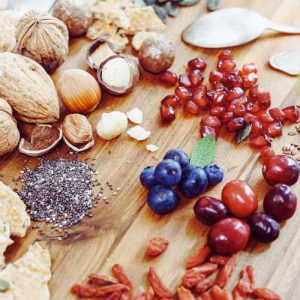
For many years, the dining-out experience centred on lunch meetings and celebratory dinners. Today, that landscape is shifting. We’re seeing a significant rise in breakfast as a primary dining occasion—a shift that reflects deeper changes in how and why customers choose where to eat.
What’s driving this change? It’s not just about appetite. Your customers are increasingly looking for more from their breakfast than fuel—they’re seeking wellness support. With preventative health becoming a priority for more Australians, the morning meal has become the place where people expect to invest in their wellbeing.
For café operators like you, this shift opens a meaningful opportunity. We’re moving away from the era of generic “big breakfasts” toward a new standard where every ingredient serves a purpose. Your customers want to feel the difference their breakfast makes.
From Passive to Active Nutrition
Projections show Australia’s functional food market is set for sustained growth, expanding at an annual rate of over 10% in the coming years. This tells us something important: “functional” is no longer a niche category. It’s becoming what customers expect as standard.
The shift we’re seeing reflects a change in mindset. Customers are moving beyond eating simply to feel full. They’re eating with intention (seeking immunity support, sustained energy, mental clarity, and digestive health). They want these benefits before 9:00 AM, as part of their regular routine.
This transforms how we think about café menus. Rather than replacing what works, we’re about elevating it. The most successful venues we work with are those that weave functional ingredients seamlessly into familiar dishes; so every customer, whether health-focused or not, benefits from what’s on the plate.
The Functional Ingredients That Work
To capture this opportunity, we recommend building your toolkit around ingredients that deliver both customer value and business margin. These are the ingredients that your customers notice, talk about, and come back for.
Bee Pollen (for Immunity & Energy)
Bee pollen is moving from the fringes to the front counter. Rich in proteins, vitamins, and lipids, it is being positioned as an immunity and energy booster. Visually, its golden hue creates an immediate “fresh” cue on acai bowls and smoothies.
- How to use it: Offer it as an “Immunity Booster” add-on for smoothies or scatter it over granola bowls for textural contrast and visual appeal.
Hemp & Chia (for Plant-Based Protein)
With plant-based eating remaining a dominant macro-trend, healthy seeds are non-negotiable pantry staples. They offer complete protein profiles and Omega-3s without the need for processed powders. They’re real food, and customers can see that.
- How to use them: Build chia puddings as your grab-and-go staple or finish avocado toast with a sprinkle of hemp seeds for nutty depth and nutritional substance.
Adaptogenic Mushrooms (for Cognitive & Stress Support)
This is arguably the biggest trend in functional beverages. These aren’t culinary mushrooms, but powdered extracts valued for their wellness benefits.
- Key Ingredients: Lion’s Mane (for focus), Reishi (for stress relief), and Cordyceps (for energy).
- How Cafés Are Using Them: Adding them as a “Focus Boost” or “Calm Boost” to lattes and hot chocolates or creating a signature “Mushroom Coffee.”
- Why it’s relevant: The demand for mental clarity and stress reduction is a huge driver for today’s wellness consumer.
Collagen Peptides (for “Beauty from Within”)
This trend leverages the desire for functional benefits that support skin, hair, and nail health, moving from the beauty aisle to the breakfast menu.
- Key Ingredients: Bovine or Marine Collagen powders, typically flavourless and easily dissolved.
- How Cafés Are Using Them: Offering a “Beauty Boost” or “Glow Up” add-on for smoothies, juices, and even coffee.
- Why it’s relevant: It taps into the lucrative “beauty & wellness” crossover market where consumers are already educated and willing to pay a premium.
Advanced Fermented Foods (for Gut Health)
While yoghurt is a staple, this trend is evolving into more adventurous breakfast applications that signal a sophisticated approach to gut health.
- Key Ingredients: House-made kimchi, kefir, pickled vegetables, and kombucha reductions.
- How Cafés Are Using Them: Adding fermented chilli to egg dishes or using pickled elements to cut through the richness of a Benedict.
- Why it’s relevant: It shows a deeper, “chef-driven” commitment to gut health beyond just offering kombucha in the fridge. It’s a key differentiator.
Nootropics (The Next Frontier for Focus)
While the term “nootropic” is still niche for a menu board, the benefits are highly sought after. These are compounds specifically aimed at enhancing cognitive function.
- Key Ingredients: L-Theanine (from green tea), Bacopa Monnieri, Ginkgo Biloba.
- How Cafés Are Using Them: Forward-thinking cafés might offer a “Focus Elixir” or stock ready-to-drink nootropic beverages from specialist brands.
- Why it’s relevant: If your café is already experimenting with functional add-ons, nootropics represent the next logical step for customers seeking cognitive enhancement. It’s worth monitoring as the market matures.
While niche ingredients create excitement, the foundational toolkit for any functional menu starts with versatile, cost-effective superfoods like high-quality bee pollen, chia, and hemp seeds.
Trust Built on Transparency
Here’s what we’re learning from the most successful cafés: provenance matters as much as nutrition. Your customers are reading labels and asking questions about where ingredients come from.
This isn’t just about compliance; it’s about connection. When you can confidently tell a customer where your granola is sourced or speak to the quality standards of your superfood suppliers, you build immediate trust. That transparency becomes a competitive advantage. It allows you to position your offerings as genuinely premium, which supports your pricing.
Language That Sells Wellness
The language you use to describe functional ingredients matters. It’s the difference between sounding clinical and sounding appealing.
Instead of: “Contains amino acids and bioactive lipids”
Try: “Energy boost,” “immunity support,” or “focus fuel”
What Your Team Should Say
Give your staff simple, confident language:
- “Would you like to add bee pollen for an energy boost?”
- “Our hemp seeds add a great nutty flavour and real plant protein.”
These conversations turn a transaction into a conversation about customer wellbeing.
Where Breakfast is Heading
The functional breakfast isn’t a trend that will pass. It’s how café culture is evolving. As breakfast becomes increasingly important to your customers, the venues that will thrive are those offering more than a meal; they’re offering a functional advantage.
When you integrate even the simplest of superfood ingredients into your daily offering, you’re signalling that you understand what your customers are looking for. You’re no longer just a place they visit. You become part of how they take care of themselves.
Explore our wide range of superfood staples, available for easy online ordering today.
This article was reproduced on this site with permission from operafoods.com.au the “Wholesale Café Suppliers”.
See original article:- The Functional Breakfast: From Fuel to Wellness
House-Made Cacao Nib Crunch Butter for Your Cafe
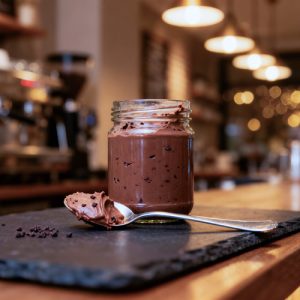
When Australian cafés look for that next signature item—something distinctive that sparks conversation and brings customers back—house-made spreads are increasingly where smart operators focus their attention. Following the success of our granola butter and chia jam recipes, there’s another spread you need to try: cacao nib crunch butter.
Cacao nib crunch butter is a deeply chocolatey spread flecked with raw cacao pieces that deliver bursts of intense chocolate flavour. The texture is creamy yet substantial, the taste sophisticated rather than candy-sweet.
This isn’t just another chocolate spread. It’s a premium product that showcases your commitment to quality ingredients and artisan technique, whilst answering the growing demand for healthier indulgences. Best of all? It takes less than 15 minutes to make, uses just five ingredients, and positions your café as a destination for creative, wellness-focused food.
Cacao Nib Crunch Butter Recipe
This recipe creates approximately 1.5 cups of cacao nib crunch butter, but you can scale up as needed.
Prep time: 10 minutes
Shelf life: 2 weeks refrigerated in an airtight container
Yield: Approximately 1.5 cups
Ingredients
- 1 cup (250ml) organic smooth almond butter — Use a premium variety for the best flavour and texture. Quality matters here.
- 3 tablespoons organic raw cacao nibs — These provide the signature crunch and intense chocolate notes. Don’t skimp.
- 2 tablespoons maple syrup (or honey, coconut blossom syrup, or agave) — Adds just enough sweetness to balance the bitter cacao without overwhelming it. Adjust to taste.
- 1 tablespoon organic cacao powder — Deepens the chocolate flavour and creates that signature dark colour.
- Pinch of sea salt flakes — Essential for bringing all the flavours into focus and enhancing the chocolate notes.
- Neutral oil such as sunflower oil (optional) — Add as needed if you want a slightly runnier spread or until you reach the desired consistency.
Step-by-Step Instructions
Step 1: Combine Base Ingredients
Add the organic almond butter, organic cacao powder, your chosen sweetener (maple syrup, honey, coconut blossom syrup, or agave), and sea salt flakes to a blender. Blend until smooth and well combined, creating a uniform chocolate-brown base with no visible streaks of cacao powder.
Step 2: Add the Cacao Nibs
Pulse the organic raw cacao nibs into the mixture using the blender’s pulse function. This keeps the cacao nibs crunchy and visible throughout the spread rather than fully blending them. Pulse until the nibs are distributed evenly but still retain their signature crunch. Each spoonful should deliver that satisfying texture and burst of intense chocolate flavour.
Step 3: Adjust Consistency
Check the consistency. The spread should be slightly more runny than peanut butter, with a spoonable yet spreadable texture. If it feels too thick, add 1 teaspoon of neutral oil such as sunflower oil at a time and blend briefly until you reach the desired consistency. If it’s too thin, the mixture will firm up slightly when refrigerated.
Step 4: Taste and Season
Taste the mixture at this point. The sweetness should complement rather than dominate the chocolate notes. If you prefer a sweeter spread, add an extra teaspoon of your chosen sweetener and blend briefly. Remember, you can always add more sweetness later, but you can’t take it away.
Step 5: Store Properly
Transfer your cacao nib crunch butter into a clean, airtight glass jar or container. It is ready for use immediately.
Sourcing Quality Ingredients
With a recipe this simple, quality is everything.
Organic Raw Cacao Nibs: Look for Australian suppliers offering organic raw cacao nibs. The “raw” designation matters because it means the cacao hasn’t been roasted at high temperatures, preserving maximum antioxidant content. The nibs should be broken into small pieces (3-5mm) for the best textural experience.
Organic Almond Butter: Choose smooth, organic almond butter made from just almonds. Avoid products with added oils, sugars, or stabilisers. Premium almond butter has a naturally creamy consistency and full-bodied flavour that cheaper alternatives can’t match.
Sweetener Options: Maple syrup delivers a distinctive caramel-like depth, whilst honey (non-vegan) offers floral notes, coconut blossom syrup brings subtle complexity, and agave provides a neutral sweetness without strong flavour. Choose based on your dietary requirements and desired flavour profile.
Organic Cacao Powder: Raw or minimally processed cacao powder delivers more intense chocolate flavour than standard cocoa powder. It also maintains higher levels of beneficial flavonoids.
Sea Salt Flakes: Use flaky sea salt rather than fine table salt. The larger crystals dissolve more slowly, providing occasional bursts of salinity that enhance the chocolate notes beautifully.
Why This Spread Works
What makes cacao nib crunch butter special is its versatility, combined with genuine quality. It works on breakfast dishes, desserts, smoothie bowls, and even ice cream. The premium positioning (house-made, organic ingredients, superfood credentials) justifies higher margins and commands customer loyalty.
More importantly, it’s practical. Five core ingredients, ten minutes of active time, a blender, and no complicated techniques. Yet the result feels premium and distinctive because the quality of ingredients shines through.
This is what customers remember: simple products made with care, where every element serves a purpose and delivers genuine flavour. The crunch from the cacao nibs, the richness of quality almond butter, the subtle complexity of your chosen sweetener and cacao powder balanced with sea salt. These aren’t added for show. They’re there because they taste remarkable together.
Explore our range of superfood toppings and ingredients, available to buy wholesale online now.
Try these recipes for quick and easy chia jam or gooey granola butter, for a trio of healthy housemade spreads.
This article was reproduced on this site with permission from operafoods.com.au the “Wholesale Café Suppliers”.
See original article:- House-Made Cacao Nib Crunch Butter for Your Cafe
10 Creative Granola Bowl Toppings to Elevate Your Café Menu

A great granola bowl is a symphony of textures and flavours. While the base of yoghurt and the crunch of granola are essential, the toppings are where the magic truly happens. This is your opportunity to surprise and delight your customers, turning a simple breakfast into a memorable culinary experience.
Imagine a bowl where warm, grilled peaches release their sweetness, their edges caramelised just slightly, kissed with cinnamon. Picture the moment your customer lifts the spoon—the contrast between cool, creamy yoghurt and the golden warmth of seasonal fruit. It’s these simple, thoughtful touches that transform a good dish into an unforgettable one, the kind of breakfast experience that becomes a signature they seek out.
Let’s explore ten creative granola bowl toppings that will help your café’s menu stand out. By combining seasonal, locally sourced ingredients with a carefully curated selection of storecupboard staples, you can create bowls that feel both special and sustainable.
Why Creative Toppings Matter
Before we dive into the ideas, let’s consider why investing in thoughtful toppings is a smart move for your business.
Visual Impact: People eat with their eyes first. Vibrant, interesting toppings transform your bowls into naturally photogenic offerings, generating organic social media reach from your customers.
Perceived Value: Unique toppings like house-made compotes or premium nuts elevate the dish, commanding a higher price point while expanding your profit margins.
Menu Differentiation: In a competitive market, a signature topping becomes what customers discuss—the distinctive element that defines your café’s identity.
Flavour Transformation: And let’s not forget flavour. It takes remarkably little—a pinch of cinnamon, a drizzle of quality honey, a single edible flower—to elevate a good breakfast into something truly memorable. These small gestures, layered together, create complexity and delight that customers genuinely seek out.
Ready to get inspired? Here are some ideas to get you started.
1. Seasonal Poached or Grilled Fruits
Move beyond basic fresh fruit and introduce a touch of warmth and sophistication. Lightly grilling or poaching fruit concentrates its sweetness and adds a delicious new texture.
How to do it: In winter, think poached pears with star anise and cinnamon. In summer, try grilled peaches or nectarines with a hint of vanilla. Simply slice the fruit, brush it with a little coconut oil or butter, and grill for a few minutes on each side until you get lovely char marks.
Why it works: Grilled or poached fruit celebrates peak seasonal ingredients from your local suppliers. This gourmet technique brings restaurant-quality refinement to breakfast, creating a layered eating experience that feels both special and indulgent.
2. House-Made Fruit Compote
A dollop of warm, chunky fruit compote adds a beautiful contrast to cool, creamy yoghurt. It’s also a fantastic way to use up fruit that’s slightly past its prime, reducing waste in your kitchen.
How to do it: Gently simmer berries, rhubarb, or apples with a touch of maple syrup and a squeeze of lemon juice until the fruit breaks down but still holds some shape. You can add spices like ginger or cardamom for extra warmth.
Why it works: A house-made compote reflects care in every element. It demonstrates your commitment to craft while allowing you to control the sugar content and develop unique flavour combinations unavailable elsewhere.
Pro tip: Looking to elevate your compote game? Learn how to make homemade chia jam—a superfood-packed alternative that brings both visual flair and nutritional depth to your granola bowls.
3. Toasted Coconut and Superfood Seeds
This isn’t about the fine, desiccated coconut. We’re talking about large, crunchy coconut flakes, lightly toasted until golden and fragrant. Combine them with a mix of superfood seeds for a major texture and nutrition upgrade.
How to do it: Look for organic coconut chips that deliver consistent quality and a satisfying crunch. Spread them on a baking tray and toast in the oven for a few minutes until fragrant. Mix with chia seeds, flax seeds, and hemp hearts for a nutritional powerhouse.
Why it works: This is where storecupboard ingredients truly shine. High-quality coconut chips and superfood seeds create textural complexity and deliver healthy fats, fibre, and protein in every bite. With a long shelf life and minimal prep requirements, they’re an efficient way to add perceived premium value while keeping daily operations streamlined.
Sourcing note: Invest in premium organic coconut chips and a curated selection of superfood seeds to ensure consistency across your menu.
4. Nut and Seed Butters with a Twist
A drizzle of peanut butter is a classic, but you can take it to the next level. Offer a variety of nut and seed butters, or create a signature “drizzle” by thinning them out slightly.
How to do it: Stock organic almond butter for its smooth, full-bodied texture—customers notice the quality difference. Cashew butter offers a milder sweetness, while sunflower seed butter provides a nut-free option. For a real treat, warm the nut butter slightly with a touch of coconut oil and maple syrup to create a pourable sauce.
Why it works: Multiple options cater to diverse dietary preferences while allowing customers to personalise their experience. The rich, creamy element adds indulgence and protein without complicating kitchen operations. Premium organic varieties communicate quality at every level.
Pro tip: Want to take your nut butter game further? Discover how to make homemade granola butter—a creamy, crunchy hybrid that transforms simple granola into a premium spread for your bowls and beyond.
5. Cacao Nibs and Dark Chocolate Shards
For chocolate lovers, this is a must. Raw cacao nibs offer a deep, unsweetened chocolate flavour and a fantastic crunch, while dark chocolate shards add a more indulgent, melting texture.
How to do it: Source organic cacao nibs for consistent quality and superior antioxidant content. Sprinkle them over the bowl for satisfying texture and a nutrient boost. To make chocolate shards, use a vegetable peeler on a bar of high-quality (70% or higher) dark chocolate, creating delicate ribbons.
Why it works: This combination delivers sophisticated complexity without excessive sweetness. Cacao nibs are packed with antioxidants, magnesium, and iron, offering a true superfood topping while the interplay between crunchy nibs and smooth chocolate adds depth to each spoonful. The mild bitterness of raw cacao balances the sweetness of yoghurt and fruit, elevating both flavour and experience.
6. Bee Pollen and Local Honey Drizzle
Bee pollen granules add a pop of golden colour and a unique, slightly floral flavour. When paired with a drizzle of honey from a local apiary, it creates a powerful connection to your commitment to local sourcing.
How to do it: Look for raw Australian bee pollen with proven local credentials—quality and origin matter when you’re building trust with customers. Sprinkle a small amount over the finished bowl (a little goes a long way). Finish with a generous drizzle of local honey.
Why it works: This pairing tells a story about your values. It becomes a conversation starter while showcasing your investment in local producers and sustainable practices. Bee pollen is nutrient-dense, bringing vitamins, antioxidants, and amino acids to the bowl, making it both beautiful and beneficial.
Pro tip: Bee pollen isn’t just for bowls. Explore creative ways to use bee pollen in smoothies to expand your menu offerings and maximise this versatile ingredient.
7. Savoury Granola Toppings
Who says granola has to be sweet? A savoury twist can be a surprising and delicious option for customers looking for something different.
How to do it: Think toasted pepitas and sunflower seeds, a sprinkle of flaky sea salt, a drizzle of high-quality olive oil, and even some fresh herbs like thyme or rosemary.
Why it works: It challenges expectations and welcomes customers with savoury preferences. The complexity pairs beautifully with plain, tart Greek yoghurt, broadening your menu reach.
Make your own: Creating savoury granola in-house is simpler than you think. Start with a high-quality organic five-grain base—rolled oats, barley, spelt, triticale, and quinoa deliver excellent texture and nutrition. Toss with olive oil, tamari, nutritional yeast, and savoury spices like garlic powder and smoked paprika. Keep an eye out as these spices are prone to burning and becoming bitter, but they should be fine at this lower temperature. Bake at 160°C (320°F) for 20–25 minutes, stirring halfway, until golden and crisp. This DIY approach gives you complete control over flavour profiles while creating a distinctive offering customers can’t find elsewhere.
8. Dehydrated Fruit Crisps
Dehydrated fruit provides an intense burst of flavour and a wonderfully crispy texture that contrasts perfectly with the other elements in the bowl. The real magic, however, lies in thin cross-sections of whole fruits like apples and pears—when dehydrated, these reveal stunning geometric patterns of seeds and flesh that catch the light beautifully.
How to do it: Use a mandoline or sharp knife to slice whole apples or pears horizontally (perpendicular to the core) to showcase the star-shaped seed pattern. Thinly slice other fruits like oranges and strawberries. Use a dehydrator (or a very low oven) to dry them out until crisp.
Why it works: These appear delicate and professional on the plate, with a long shelf life that extends your planning flexibility. The geometric beauty of whole fruit cross-sections becomes a visual signature—a sophisticated detail that elevates the entire dish. They’re an efficient, low-waste option that streamlines daily prep demands.
9. Freeze-Dried Berries and Fruit Powders
Freeze-dried raspberries, strawberries, or blueberries add an incredibly vibrant pop of colour and a concentrated, tangy flavour.
How to do it: Simply crumble freeze-dried berries over the top of the bowl as a final garnish.
Why it works: They offer intense berry flavour year-round while delivering restaurant-quality visual impact. This ingredient remains fresh throughout the year, creating ingredient flexibility for consistent menu execution.
Alternative approach: For a different aesthetic and application, consider using our uniquely dried fruit powders made from fruit purée. Unlike freeze-drying, this gentle process preserves raw nutritional value while creating a fine, vibrant powder. Dust it lightly over the bowl’s surface for a professional finish, or swirl it through yoghurt to create stunning colour gradients. These powders work particularly well when you want concentrated fruit flavour without textural contrast.
10. Edible Flowers
For the ultimate visual “wow” factor, nothing beats a few carefully placed edible flowers. They signal to your customer that they are about to eat something truly special.
How to do it: Source flowers like pansies, violas, or calendula petals from a reputable supplier who grows them for consumption. Use them sparingly as a final garnish.
Why it works: Edible flowers instantly project professionalism and elegance, generating shareworthy moments across social media. It’s an easy way to add visual confidence with minimal effort or cost.
Bringing It All Together
The key to success with creative granola bowl toppings is balance. You don’t need to use all these ideas at once! Pick two or three that complement each other. Think about combining:
- Something creamy: Nut butter or compote.
- Something crunchy: Toasted nuts, seeds, or cacao nibs.
- Something fresh: Seasonal fruit.
- Something special: Edible flowers or bee pollen.
By putting thoughtful creativity into your toppings, you’re not just selling breakfast; you’re selling a considered experience. You’re demonstrating that quality, flavour, and detail matter—and that commitment is what transforms first-time customers into devoted patrons.
Explore the full range of superfood toppings from Opera Foods, ready for you to order online today.
This article was reproduced on this site with permission from operafoods.com.au the “Wholesale Café Suppliers”.
See original article:- 10 Creative Granola Bowl Toppings to Elevate Your Café Menu
The Bold Flavour of Black Sesame
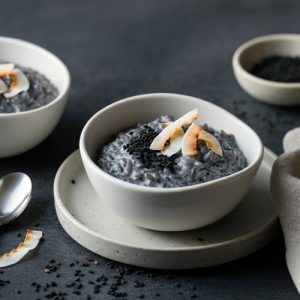
Have you ever tasted something so unique, so unexpectedly delicious, that you just had to know what it was? For many of your customers, that “wow” moment could come from one of the most striking ingredients you can stock in your pantry: black sesame seeds.
I know what you might be thinking. Sesame seeds? The ones on burger buns? But I’m not talking about the standard white sesame. I’m talking about their bolder, nuttier, and visually stunning cousin. Black sesame seeds can add a sophisticated depth of flavour, a powerful nutritional punch, and a dramatic look to your menu.
If you’re looking for an ingredient that’s a bit different, incredibly versatile, and aligns with the growing demand for healthy, interesting food, then it’s time to get to know black sesame. Let’s explore why this tiny seed is a true cafe essential and get creative with some menu ideas.
What’s the Big Deal About Black Sesame?
Unlike their paler counterparts, which are often hulled, black sesame seeds retain their outer shell. This is where all the magic happens. This hull is not only responsible for the seed’s striking dark colour but also for its richer, more robust, and toasty flavour. Think of it as the difference between a mild, everyday flavour and something deep, complex, and intriguing.
But the appeal of black sesame goes far beyond its taste. For the modern Australian cafe, it ticks all the right boxes.
An Unusual Flavour Profile
The flavour of black sesame is truly unique. When raw, it has a pleasantly nutty and slightly bitter taste. But when you toast it? It completely transforms. The flavour deepens into a rich, smoky, and almost earthy nuttiness that is incredibly satisfying. It’s a complex taste that can stand on its own or complement both sweet and savoury dishes, adding a layer of sophistication that customers notice.
Nutritional Bonus Points
Black sesame seeds are a surprisingly rich source of calcium, containing more per gram than cow’s milk. They do, however, need to be ground to benefit from these nutrients. Thankfully, black sesame is absolutely everywhere right now, and many creative recipes call for ground paste.
Striking Visual Appeal
Let’s be honest, people eat with their eyes first. In the age of Instagram, a visually striking dish is one of your most powerful marketing tools. The dramatic, jet-black colour of these seeds creates a stunning contrast against lighter ingredients. A simple sprinkle can make a dish look instantly more professional and artistic. A black sesame latte? It’s a guaranteed showstopper.
Creative Cafe Menu Ideas with Black Sesame Seeds
Ready to move beyond a simple garnish? Black sesame is incredibly versatile, and its unique flavour lends itself to a wide range of creative applications. Here are a few practical and exciting black sesame recipes to get you started.
1. The Must-Try Black Sesame Latte
If you introduce only one new item with black sesame, make it this one. A black sesame latte is creamy, nutty, visually stunning, and caffeine-free. It’s the perfect, unique offering to capture the attention of customers looking for something new. It ties in perfectly to the Asian food trends that show no sign of slowing down.
How to make it
- First, you’ll need black sesame paste. You can buy this from speciality food suppliers or make your own by toasting the seeds and grinding them in a high-powered blender until a smooth, oily paste forms.
- For each latte, mix a tablespoon of the black sesame paste with a little hot water and your sweetener of choice (maple syrup works well) to create a smooth base.
- Add your milk of choice—oat milk is particularly good for creating a creamy texture—and steam everything together as you would for a normal latte.
- The result is a beautiful, slate-grey drink with a velvety texture and a rich, toasty flavour. Serve it in a clear glass to show off its unique colour.
2. Black Sesame Desserts: A Sweet Surprise
The flavour of black sesame works particularly well with milky, creamy desserts and also against the neutral sweetness of rice. Why not experiment with some of the following ideas as a starting point?
Black Sesame Panna Cotta
Elevate the classic panna cotta with the rich nuttiness of black sesame. Mix black sesame paste into the cream mixture before setting it. To add contrast, pair the silky texture with a drizzle of honey or a layer of coconut cream and garnish with toasted sesame seeds for a delightful crunch.
Black Sesame Mochi Ice Cream
Combine the natural pairing of black sesame and rice by creating soft, chewy mochi filled with rich black sesame ice cream. The nutty intensity of the sesame complements the sweetness of the ice cream, delivering a textural and flavorful treat perfect for warm days.
Black Sesame Rice Pudding
Bring a twist to the comforting dessert by incorporating black sesame into a creamy rice pudding. Use coconut milk for added depth, and stir in black sesame paste to achieve a visually striking and flavorful dish. Top it off with fresh fruit or a sprinkle of crushed nuts for a balanced finish.
3. Elevate Your Savoury Dishes
Don’t limit black sesame to your sweet menu! Its rich flavour can add incredible depth to savoury dishes.
- Black Sesame Crusted Tofu or Salmon: Create a crust by mixing black sesame seeds, a few white sesame seeds for contrast, and some panko breadcrumbs. Press this mixture onto tofu steaks or salmon fillets before pan-frying or baking. It creates a wonderfully crunchy and flavourful exterior.
- A Next-Level Garnish for Bowls: Move beyond a simple sprinkle. Lightly toast black sesame seeds and use them generously over poke bowls, soba noodle salads, or roasted vegetable bowls. The visual contrast and nutty crunch are unbeatable.
- A Striking Salad Dressing: Whisk black sesame paste with rice vinegar, soy sauce, a touch of honey, and a little water to create a creamy, flavourful, and visually dramatic vinaigrette. It’s perfect for drizzling over a slaw or a simple green salad.
How to Talk About Black Sesame with Your Customers
You’ve created these amazing new dishes, so how do you get your customers as excited as you are?
- Update Your Menu Descriptions: Be descriptive. Instead of just “sesame seeds,” write “topped with toasted black sesame for a nutty crunch” or “featuring a house-made black sesame dressing.”
- Train Your Staff: Make sure your team has tasted the black sesame items and can describe the flavour. A simple, “It’s really unique—it has a deep, nutty flavour, almost like peanut butter but more complex,” can be enough to convince a customer to try something new.
- Use Your Specials Board: Announce your “Black Sesame Latte” or “Black Sesame Cheesecake Slice” as a weekly special. The novelty will create buzz and a sense of urgency.
Black sesame seeds are far more than just a trend; they are a versatile, flavourful, and highly marketable Australian superfood ingredient. By incorporating them into your menu, you’re signalling to your customers that you are an innovative cafe that cares about flavour, health, and quality. Start experimenting today, and watch this bold little seed win over your customers.
These Boost Nutrients Black Sesame Seeds are just one of the Opera Foods range of superfood pantry staples.
This article was reproduced on this site with permission from operafoods.com.au the “Dessert Toppings Wholesaler”.
See original article:- The Bold Flavour of Black Sesame
Fruit Powders in Savoury Dishes: An Easy Menu Twist
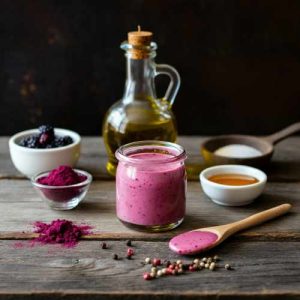
Let’s be honest for a moment. When you hear the words “fruit powders,” what’s the first thing that pops into your head? A vibrant pink smoothie? A colourful acai bowl? Maybe a beautifully decorated cheesecake? You’re not wrong, of course. But what if by keeping fruit powders exclusively on the sweet side of your menu, you’re missing out on a world of creative possibilities?
I know what you might be thinking. Fruit in savoury dishes? It can feel like a culinary line you shouldn’t cross. We’re trained to think of fruit as sweet, and savoury as… well, not. But some of the most memorable dishes are the ones that play with these expectations. Think of duck with orange sauce, or pork with apple. That combination of savoury and sweet is a classic for a reason.
Using fruit powders is a modern, clever way to achieve that same beautiful balance. It’s one of those unique cafe menu ideas that is surprisingly easy to execute and can truly set your lunch menu apart. So, are you ready to get a little adventurous? Let’s explore some creative savoury fruit powder recipes that will add a surprising and delicious twist to your menu.
Why Do Fruit Powders Work in Savoury Cooking?
It might seem strange at first, but when you break it down, it makes perfect sense. Fruit powders, like fruit, aren’t just sweet. They are highly concentrated sources of flavour, and that flavour includes acidity, tanginess, and deep, earthy notes alongside the sweetness.
Take raspberry powder, for example. It’s not just sweet; it’s intensely tart and acidic. This acidity is fantastic for cutting through rich, fatty foods or for brightening up a salad dressing. Mango powder has a sweet, tropical flavour that pairs wonderfully with spices like chilli and ginger, making it perfect for marinades.
Using these powders gives you precise control. You can add a concentrated burst of fruit flavour and colour to a dish without adding the extra moisture or pulpy texture of fresh or frozen fruit. This is what makes them such versatile Australian superfood ingredients for the savvy cafe owner.
Three Savoury Recipes to Get You Started
Feeling brave? Here are three practical and delicious recipes that demonstrate just how amazing fruit powders can be on your savoury menu. They are designed to be straightforward enough for a busy kitchen but will deliver a flavour that your customers won’t find anywhere else.
Tangy Berry Vinaigrette
A signature house dressing is an easy win for any cafe. It elevates your salads from standard to special. This berry vinaigrette is tangy, slightly sweet, and has a beautiful depth of colour. It’s a dressing that people will ask you about.
What you’ll need for a batch:
- 180ml extra virgin olive oil
- 60ml white wine vinegar or apple cider vinegar
- 1 tablespoon Boost Nutrients Mixed Berry Powder
- 1 tablespoon Dijon mustard
- 1 teaspoon honey or maple syrup
- A pinch of sea salt and freshly ground black pepper
Step-by-Step Instructions:
- Combine the Liquids: In a jar or a small bowl, add the olive oil, vinegar, Dijon mustard, and your choice of honey or maple syrup.
- Add the Magic: Sift in the berry powder to avoid clumps, then add your salt and pepper.
- Shake or Whisk: If you’re using a jar, seal the lid tightly and give it a really good shake for about 30 seconds. If you’re using a bowl, whisk everything together vigorously until the dressing emulsifies and turns a beautiful, creamy pink.
- Let it Mingle: Let the dressing sit for about 10 minutes before you use it. This gives the raspberry powder time to fully dissolve and infuse its flavour throughout the vinaigrette.
How to use it: This dressing is absolutely perfect on a salad with grilled chicken, goat’s cheese, and toasted walnuts. The sharp tang of the raspberry cuts through the richness of the cheese and meat beautifully.
Sticky Mango Glaze for Chicken or Tofu
This is a great little glaze. It’s sweet, tangy, and a little bit spicy, creating a sticky, caramelised crust on whatever you cook it with. It’s perfect for adding an exciting new protein option to your menu, whether it’s for a salad, a wrap, or a grain bowl.
What you’ll need:
- 2 tablespoons Boost Nutrients Mango Powder
- 2 tablespoons soy sauce or tamari
- 1 tablespoon honey
- 1 teaspoon grated fresh ginger
- 1 clove of garlic, minced
- A pinch of chilli flakes (optional, for a little heat)
- Your choice of protein (e.g., 2 chicken breasts or 1 block of firm tofu, pressed and cubed)
Step-by-Step Instructions:
- Mix the Glaze: In a bowl, whisk together the mango powder, soy sauce, honey, grated ginger, minced garlic, and chilli flakes until you have a smooth, thick glaze.
- Marinate Your Protein: Pour about two-thirds of the glaze over your chicken or tofu and let it marinate for at least 20 minutes. The longer, the better!
- Cook It Up: Heat a little oil in a frying pan over medium-high heat. Cook your chicken or tofu until it’s cooked through and starting to brown.
- Get It Sticky: In the last minute of cooking, pour the remaining glaze into the pan. It will bubble up and thicken almost immediately, coating your protein in a delicious, sticky sauce.
How to serve it: This sticky mango chicken or tofu is incredible served over a coconut rice bowl with some fresh coriander and a squeeze of lime.
Smoky Peach BBQ Sauce Recipe
If you’re looking for a sweet and tangy addition to your dishes, this homemade peach BBQ sauce is a game-changer. Using peach powder as a key ingredient, this sauce bursts with fruity richness, perfectly complementing savoury flavours. Here’s how to create it:
Ingredients:
- 1 cup ketchup
- 1/4 cup apple cider vinegar
- 1/4 cup brown sugar, packed
- 2 tablespoons Boost Nutrients Peach Powder
- 2 tablespoons honey
- 1 tablespoon Worcestershire sauce
- 1 teaspoon smoked paprika
- 1/2 teaspoon garlic powder
- 1/2 teaspoon onion powder
- 1/4 teaspoon chilli powder (optional, for a kick)
- Salt and pepper to taste
Instructions:
- Mix It Up: Combine all the ingredients in a medium-sized saucepan. Whisk them together until the peach powder dissolves and everything is smooth.
- Bring the Heat: Heat the mixture over medium heat, stirring occasionally, until it begins to bubble gently.
- Simmer and Mellow: Reduce the heat to low, and allow the sauce to simmer for about 20-30 minutes. Stir occasionally as the sauce thickens and the flavours meld together into a delightful symphony.
- Cool and Store: When the sauce has cooled completely, transfer it to an airtight container. Store it in the fridge for up to two weeks.
How to use it:
This peach BBQ sauce elevates pulled pork or jackfruit burgers, serves as the perfect dipping sauce for sweet potato wedges, or makes a wonderful glaze for grilled chicken or ribs.
How to Talk to Your Customers About It
When you put these items on your menu, you’re starting a conversation. Be proud of the innovation! On your menu, describe the flavours. Don’t just list “Berry Vinaigrette.” Write something like, “Our house-made Berry vinaigrette, with a tangy and fruity kick.”
Encourage your team to taste the dishes and talk about them. A simple, “You have to try the sticky mango tofu; the glaze is sweet and spicy, it’s amazing,” is a powerful marketing tool not to be underestimated. By taking a small risk and playing with flavour, you’re not just making food; you’re creating an experience that your customers will remember and come back for.
Take your menu to the next level with Opera Foods’ premium fruit powders. Packed with natural flavour, they are perfect for enhancing smoothies, desserts, and even creative savoury dishes. Explore the endless possibilities and add a unique twist to your offerings. Start creating memorable flavours today: discover Opera Foods’ fruit powders and see the difference they can make!
This article was reproduced on this site with permission from operafoods.com.au the “Dessert Toppings Wholesaler”.
See original article:- Fruit Powders in Savoury Dishes: An Easy Menu Twist
How to Eat Pumpkin Seeds
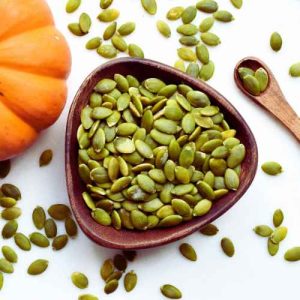
Pumpkin seeds are packed with nutrition, crunch, and a world of possibilities. Whether you know them as pumpkin seeds or “pepitas”, these tiny seeds are much more than a seasonal snack at Halloween. They’re a year-round treat that can elevate your snacks, meals, and even your health.
But what’s the best way to eat them? Can you munch on them raw, or should they always be roasted? What are the health benefits you’re reaping with every handful? Keep reading for this ultimate guide to eating pumpkin seeds, and you’ll soon see there’s much more to them than meets the eye.
Why Eat Pumpkin Seeds?
You may be wondering, “What’s so special about pumpkin seeds anyway?” Well, these small seeds are packed with nutrients and come with a range of health perks.
Nutritional Benefits of Pumpkin Seeds
Pumpkin seeds may be tiny, but they’re impressively nutrient-dense. Here’s what you’re getting with every bite.
Protein
A great plant-based protein source for vegetarians and vegans, pumpkin seeds contain all the essential amino acids required by our bodies to function properly.
Healthy Fats
Pumpkin seeds are rich in healthy fats, such as monounsaturated and polyunsaturated fats. These types of fats help keep your heart healthy and reduce inflammation in the body.
Fibre
Just one cup of pumpkin seeds contains about 12 grams of fibre! Fibre is essential for proper digestion and can also help lower cholesterol levels and regulate blood sugar levels.
Minerals
Pumpkin seeds are an excellent source of minerals like zinc, magnesium, iron, and phosphorus.
Vitamins
Pumpkin seeds are a good source of important vitamins, including vitamin E and several B vitamins, which support immune function and energy production.
Health Benefits of Pumpkin Seeds
Regular intake of the nutrients in pumpkin seeds can reap several key health benefits.
Heart Wellness
The combination of magnesium, zinc, and healthy fats is perfect for supporting a healthy heart.
Better Sleep
Thanks to tryptophan—a precursor to serotonin and melatonin—pumpkin seeds can help with relaxation and better sleep.
Boosted Immunity
High zinc content can boost immune defences, keeping you healthier year-round.
Preparing Pumpkin Seeds for Eating
Eating pumpkin seeds isn’t difficult to figure out, but if you’re starting with a fresh pumpkin (waste not, want not), there are a few steps to follow.
Step 1: Harvesting Your Seeds
If you’re carving a pumpkin and see all those slippery seeds inside, don’t just throw them out! Scoop the seeds out with a spoon and separate them from the stringy pumpkin pulp. It can be a messy job, but trust me, it’s well worth it.
Step 2: Cleaning the Seeds
Once you’ve gathered your seeds, rinse them in a colander under cold water. Use your fingers to dislodge any leftover bits of pumpkin flesh. Then, pat the seeds dry with a clean kitchen towel or paper towel.
Step 3: Roasting Pumpkin Seeds
Roasting is one of the easiest—and tastiest—ways to prepare pumpkin seeds. Here’s how you can do it:
- Preheat your oven to 180°C (around 350°F).
- Toss the cleaned seeds in a drizzle of olive oil and sprinkle with a pinch of salt.
- Spread the seeds in a single layer on a baking tray.
- Roast for about 10-15 minutes, stirring halfway through to ensure even crispiness.
Want to get creative? Try flavoured roasted seeds! Add a dusting of cinnamon and brown sugar for a sweet snack, toss them with paprika and chilli powder for some heat, or experiment with garlic and herbs for a savoury twist.
Alternative Preparations
If roasting is simply one step too many, there are other ways to prepare pumpkin seeds.
Raw
Keep them raw for salads or smoothies. Consider soaking and sprouting them first to make them easier on digestion.
Powdered
Blend the seeds into a powder and sprinkle it into recipes like smoothies, porridge, or muffin batters.
Creative Ways to Eat Pumpkin Seeds
Pumpkin seeds are versatile. Once prepared, you can use them in so many ways—snacks, recipes, and more.
Snack Time
Sometimes, simple is best. Roasted pumpkin seeds with your favourite seasoning make an excellent snack on their own. Carry them in a small container for an easy, protein-packed nibble during the day.
On Top of Dishes
Sprinkle pumpkin seeds on salads, soups, or yoghurt, for extra flavour and crunch. Their nutty taste pairs delightfully well with greens, creamy soups, and fruity breakfasts.
Baked Goods and Smoothies
Throw them into cookie dough or homemade granola bars for added texture and nutrients. When it comes to smoothies, you can toss in a handful of seeds for a protein boost.
Pumpkin Seed Butter
Have you tried pumpkin seed butter? It’s made just like peanut or almond butter and carries a wonderfully earthy, nutty flavour. Use it as a spread, or swirl it into overnight oats for a delicious start to your day.
flavour
Quick Recipe for Pumpkin Seed Butter
Making pumpkin seed butter at home is super simple and requires just a few ingredients!
Ingredients:
- 2 cups of raw or roasted pumpkin seeds
- 1-2 tablespoons of oil (such as coconut or avocado oil)
- A pinch of salt (optional)
Instructions:
- If your pumpkin seeds aren’t already roasted, spread them on a baking sheet and roast at 350°F (175°C) for about 10 minutes, stirring halfway through. This step helps bring out their flavour.
- Once the seeds are cool, add them to a food processor or high-powered blender. Blend on high until the seeds break down into a crumbly texture.
- Gradually, the seeds will release their natural oils and form a smooth, creamy butter. This process might take 5-10 minutes. Be patient and scrape down the sides as needed.
- If the mixture is too thick, add the oil one tablespoon at a time until you reach your desired consistency.
- Taste and add a pinch of salt if you like. Blend for another minute to mix everything well.
- Transfer your pumpkin seed butter to a jar and store it in the refrigerator for up to two weeks.
Enjoy it as a spread, in smoothies, or straight off the spoon!
How to Store Pumpkin Seeds
Pumpkin seeds are best stored in an airtight container, preferably in the fridge or a cool, dark place to maintain their freshness. Raw pumpkin seeds will keep for several months, while roasted seeds are best eaten within 2-3 weeks, though they rarely last that long once you start snacking!
As we have seen, pumpkin seeds are small but mighty. Packed with nutrition, they can be eaten on their own or added to just about any meal or recipe. From their nutrient-rich profile to their versatility in the kitchen, there’s every reason to add pumpkin seeds to your pantry.
Why not give them a try? Whether you roast them, toss them into your salad, or whip up some pumpkin seed butter, you’re bound to find new ways to enjoy their earthy flavour and incredible crunch. Go ahead, grab a pumpkin (or a bag of seeds), and start experimenting today!
Make life easier on yourself and choose our Boost Nutrients Australian-grown, raw, organic pumpkin seeds.
Whilst you are here, why not explore our full range of storecupboard superfoods and boost your nutrition today!
Curious about how superfoods can help maximise nutrient density? Read our guide ‘What are Superfoods?’.
This article was reproduced on this site with permission from operafoods.com.au the “Acai Bowl Ingredients Suppliers”.
See original article:- How to Eat Pumpkin Seeds
How to Use Boost Nutrients Fruit and Vegetable Powders
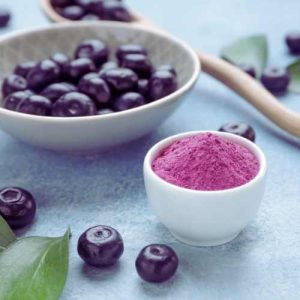
Boost Nutrients fruit and vegetable powders combine cutting-edge technology with the freshest, highest-quality ingredients nature has to offer. So you can enjoy all the benefits of fresh fruit and veggies in an easy-to-use and easy-to-store form.
This guide will cover everything you need to know about our fruit and vegetable powders, from their features and benefits to tips for making the most of them.
Let’s start with a quick walkthrough of what makes our fruit powders stand out from the crowd.
Why Choose Boost Nutrients Fruit Powders?
Boost Nutrients fruit powders stand out for their unparalleled quality and advanced drying technology. Here’s what makes them special.
High Nutrient Retention
Our unique low-temperature drying technology is the gentlest method available, preserving all the good stuff like vibrant colours, natural flavours, aromas, and precious nutrients.
Pure and Natural
By using fresh, raw ingredients sourced locally from Australian producers wherever possible (and a few reliable suppliers abroad), our powders retain their natural goodness. Many are organic, but those that aren’t are grown without pesticides and with minimal intervention.
They’re not freeze-dried, making them superior in quality and performance.
Convenient and Versatile
Perfect for smoothies, Acai bowls, or granola toppings, our powders lend themselves to a variety of uses while saving you time in the kitchen.
Gluten-Free and Allergen-Free
All our powders are free from gluten and additives, making them safe for most dietary needs.
Sustainably Made in Australia
Made using a state-of-the-art drying facility and proudly owned and operated in Australia, Boost Nutrients ensures quality you can trust.
Boost Nutrients Fruit and Vegetable Powders
Before we get into the specifics of how to use each of our fruit and vegetable powders, let’s have a quick summary of the range. All of our powders (depending on current stock levels and availability) are available as 100g, 500g, or 5kg resealable pouches.
Our Fruit Powders
Organic Peach Fruit Powder
Crafted from organic dried peach puree, our Organic Peach Fruit Powder delivers all the goodness of peaches in a concentrated form. Naturally low in calories and free from saturated fats, peaches are packed with health-boosting antioxidants. Each 100g of powder is equivalent to 800g of fresh peach puree, offering a powerful burst of nutrition in every serving.
Australian Mango Fruit Powder
Crafted from 100% natural dried mango puree, our Australian Mango Fruit Powder uses only the finest Australian Kensington Pride mangoes. Packed with nutrients and low in calories, it’s a wholesome choice for any diet. Each 100g of powder is made from 600g of rich, flavourful mango puree.
Australian Mixed Berry Fruit Powder
Crafted from 100% natural dried mixed berry fruit puree, our Australian Mixed Berry Fruit Powder is made exclusively from whole strawberries, raspberries, and blueberries grown in Australia. Packed with flavour and nutrition, berries are a delicious source of antioxidants. Each 100g powder contains 1.2kg of fresh, whole berries, delivering maximum goodness in every scoop.
Organic Banana Fruit Powder
Crafted from organic dried banana puree, our Organic Banana Fruit Powder is packed with fibre, antioxidant vitamins and potassium, offering a naturally healthy boost to your diet. Every 100g of powder is equivalent to 380g of organic banana puree, delivering all the goodness of bananas in a convenient, versatile form.
Goji Berry Fruit Powder
Our Goji Berry Fruit Powder, made from 100% natural dried goji berry puree, is packed with nutrition and health benefits. Known for their high antioxidants, protein, fibre, and vitamin C content, goji berries have been used in traditional Chinese medicine for centuries. With 11 essential amino acids and unique polysaccharides, goji deserves its superfood status. 100g of powder is equivalent to 860g of goji berry puree.
Our Vegetable Powders
Australian Organic Carrot Powder
Crafted from organic dried carrot puree grown in Australia, our Australian Organic Carrot Powder brings a natural sweetness and a burst of vibrant colour to your recipes. With just 100g of powder, you can create 1225g of fresh carrot juice. Rich in beta-carotene and essential nutrients, it’s a wholesome addition to any dish.
Organic Beetroot Vegetable Powder
Crafted from organic dried beetroot puree, our Organic Beetroot Vegetable Powder is packed with essential nutrients, including fibre, potassium, folate, and antioxidants. Each 100g of powder is equivalent to 1kg of fresh beetroot juice, full of vibrant colour and earthy richness.
Australian Spinach Vegetable Powder
Crafted from 100% natural dried spinach puree grown in Australia, our Australian Spinach Vegetable Powder is packed with essential nutrients, including iron, calcium, vitamin K, and magnesium. Just 100g of this powder is equivalent to 2kg of fresh spinach leaves, delivering all the goodness of whole spinach in a convenient, nutrient-dense form. It is the perfect way to add greens to any meal.
Australian Broccoli Vegetable Powder
Made from 100% natural dried Australian-grown broccoli, our Australian Broccoli Vegetable Powder is rich in fibre and essential nutrients. Just 100g of this powder is equivalent to 2kg of fresh broccoli. An easy and convenient way to add the benefits of this powerful superfood to your diet.
Organic Kale Vegetable Powder
Crafted from 100% organic dried kale puree, this Organic Kale Vegetable Powder is an all-around nutrient-booster. Just 100g of kale powder is equivalent to 2kg of fresh kale, delivering a concentrated dose of goodness. Packed with essential vitamins A, C, and K, along with antioxidants and fibre, it’s a simple way to boost your daily nutrition.
Now that you know what, we are sure you are keen to get to the how. Each powder has slightly different rehydration rates, so please read on carefully and bookmark the page so you always have a handy reference guide.
Instructions For Use and Rehydration Rates
There are so many ways you can use your Boost Nutrients fruit and vegetable powders, but they all start with the same thing in mind, namely, rehydrating your powder back into its original form.
If you think about fresh fruit and vegetables when they are blended, they all have different consistencies and weights. Some are more liquid, whilst others are more solid. What you are trying to achieve when you add water to the powder is an approximation of the original pureed product.
Below, you will find the rehydration rate of each powder, along with an approximation of its fresh fruit equivalent, not a one-size-fits-all paste/liquid. This will not only help you determine how to substitute powders for fresh fruits or vegetables in a recipe, but also enable you to compare the nutritional value.
We have also included a handy calculated serving size, in case you don’t want 2 litres of spinach juice or 8 beetroots, all in one go.
Organic Peach Fruit Powder
Add 572 ml of water to 100g of this powder to give 672 g of peach puree.
On average, it takes approximately 4 to 5 medium-sized peaches to produce 672g of puree. The exact number can vary depending on the size and juiciness of the peaches, but this is a close estimation based on typical fruit yields.
Calculated serving size: 140 ml of water to 25g of powder is roughly the equivalent of one peach, pureed.
Australian Mango Fruit Powder
Add 650 ml of water to 100g of this powder to give 750 g of mango puree.****
On average, it takes approximately 3 to 4 medium-sized mangoes to produce 750g of mango puree. The exact number depends on the size and ripeness of the mangoes, as juicier fruits will yield more puree.
Calculated serving size: 225 ml of water to 35g of powder is roughly the equivalent of one mango, pureed.
Australian Mixed Berry Fruit Powder
Add 1100 ml of water to 100g of this powder to give 1200g of mixed berry puree.
On average, it takes approximately 3 to 4 cups of mixed berries to provide 1200g of berry puree. The exact amount can vary depending on the types of berries used (such as strawberries, raspberries, and blueberries) and their juiciness. Fresher and more ripe berries tend to yield a greater amount of puree due to their higher water content.
Calculated serving size: 385 ml of water to 35g of powder is roughly the equivalent of one cup of berries, pureed.
Organic Banana Fruit Powder
Add 280 ml of water to 100g of this powder to give 380g of banana puree.
On average, it takes about 3 to 4 medium-sized bananas to yield 380g of banana puree. The exact number may vary depending on the size and ripeness of the bananas, as riper bananas tend to be softer and contain more water, making them easier to puree and slightly increasing the weight of the final result.
Calculated serving size: 98 ml of water to 35g of powder is roughly the equivalent of one banana, pureed.
Goji Berry Fruit Powder
Add 760 ml of water to 100g of this powder to give 860 g of goji berry puree.
On average, it takes approximately 2 cups of fresh goji berries to make 860g of goji berry puree, or 1 cup of dried berries. You may be more familiar with dried goji berries than fresh.
Calculated serving size: 95 ml of water to 12g of powder is roughly the equivalent of 2 tablespoons dried goji berries (the recommended daily serving).
Australian Organic Carrot Powder
Add 1120 ml of water to 100g of this powder to give 1220 g of carrot juice.
On average, it takes approximately 12 medium-sized carrots to produce 1220g of carrot juice. This can vary slightly depending on the size and water content of the carrots.
Calculated serving size: 280 ml of water to 25g of powder is roughly the equivalent of 3 carrots, juiced.
Organic Beetroot Vegetable Powder
Add 971 ml of water to 100g of this powder to give 1071g of beetroot juice.
On average, it takes roughly 7-8 medium-sized beetroots to produce 1071g of beetroot juice. This estimate can vary depending on factors such as the size and water content of the beetroots used.
Calculated serving size: 120 ml of water to 12g of powder is roughly the equivalent of one beetroot, juiced.
Australian Spinach Vegetable Powder
Add 1900 ml of water to 100g of powder to give 2000g of spinach juice.
On average, it takes approximately 1.5 to 2 kg of fresh spinach to produce 2000g of spinach juice. This range can vary depending on the water content and freshness of the spinach leaves, as some spinach varieties tend to hold more moisture than others.
Calculated serving size: 380 ml of water to 20g of powder is roughly the equivalent of two large handfuls of spinach (the recommended serving size), juiced.
Australian Broccoli Vegetable Powder
Add 1900 ml of water to 100g of this powder to give 2000g of broccoli juice.
To produce 2000g of fresh broccoli juice, it typically takes approximately 2.5kg to 3kg of fresh broccoli. The exact amount can vary depending on the broccoli’s moisture content and overall freshness, as fresher broccoli often contains more water.
Calculated serving size: 315ml of water to 15g of powder is roughly the equivalent of an average head of broccoli, juiced.
Organic Kale Vegetable Powder
Add 1900 ml of water to 100g of this powder to give 2000g of kale juice.
On average, to produce 2000g of kale juice from fresh kale, it typically requires around 2 to 3 kg of fresh kale. The exact amount can vary depending on factors such as the variety of kale and its water content.
Calculated serving size: 380 ml of water to 20g of powder is roughly the equivalent of two large handfuls of kale (the recommended serving size), juiced.
How to Rehydrate Fruit and Vegetable Powder
Rehydrating fruit and vegetable powder is simple, and it couldn’t be easier to incorporate into your daily routine.
Start by determining the desired amount of rehydrated product you want to prepare. Once you have that in mind, mix the powder with cold water at the appropriate ratio specified above.
Stir the mixture thoroughly, ensuring the powder dissolves completely and there are no lumps. For an even smoother result, a blender or shaker bottle can be used. Allow the mixture to sit for a few minutes to fully rehydrate and enhance the texture.
Do I Have to Use Water?
You can use any liquid you like to rehydrate your fruit and vegetable powder, as long as it is not thicker than water (which would prevent it from absorbing properly). So milk would be great, whereas yoghurt would be too thick unless thinned down with water.
Bear in mind, though, that once you use anything other than water, you will have to adjust the nutritional/calorie content accordingly.
So now you have your fruit puree/juice, what exactly can you do with it?
Using Fruit and Vegetable Powders in Recipes
You could use our fruit and vegetable powders by incorporating the powders directly into your recipes, but as we have shown, rehydrating them in the correct ratios gives you a far more accurate way of substituting for fresh produce in recipes, as well as understanding more fully the nutritional value of each.
Of course, there are always shortcuts to make life simpler, and these will depend on your recipe and the dish you want to make. There are times when there is simply no need to add in the extra labour of rehydrating first (a smoothie, or even a soup, for example). Yet in baking (something like a banana muffin) you will get far better results by making a puree first.
How To Store Fruit and Vegetable Powders
To maximise shelf life (over two years!), follow these storage tips.
- Keep unopened powders in a cool, dry place below 20°C.
- Once opened, reseal the foil-lined bag quickly, squeezing out excess air.
- Store resealed bags in the fridge or freezer to prevent clumping.
- If clumping occurs, don’t panic! Simply break up the powder with your hands or a blender.
Tips and Tricks for Getting the Most from Fruit and Vegetable Powders
Experiment with Flavour Pairings
Pair our fruit powders with complementary ingredients. For instance, mix mango powder with coconut milk for a tropical smoothie!
Batch Prep
Mix rehydrated purees in advance and freeze them in portions for easy use throughout the week. That way, they will be ready to blend into your super cold smoothie or even frozen dairy-free (n)ice cream!
Get Creative
Use our fruit powders straight to add natural colouring to desserts or as a burst of flavour in your overnight oats.
Layer in Bowls
Add a dusting of fruit powder to smoothie bowls for that Insta-worthy look and surprising pop of flavour.
Frequently Asked Questions
What’s the difference between your powders and freeze-dried products?
Unlike freeze-dried products, our powders are made using a low-temperature evaporation process. This method retains a higher concentration of nutrients, flavour, and colour, ensuring a better-quality product.
What if my powder clumps?
Clumping can happen if the powder absorbs moisture from the air, but don’t worry! It’s still perfectly fine to use. Just break up the clumps by hand or in a blender.
Are your powders organic?
Yes! Many of our powders are made with certified organic ingredients, sourced from HACCP-certified manufacturers.
Are your products suitable for people with allergies?
Absolutely. All our products are gluten-free and dairy-free, making them suitable for most diets.
Can I overdose on the powders?
Since our powders are made from 100% natural fruits and vegetables, they’re inherently safe. However, we recommend using the rehydration guide for optimal results in recipes.
Your Next Step
Got questions? Our team is always here to help. You can reach us at admin@operafoods.com.au
Don’t forget to tag us in your creations on social media using #BoostNutrients—we’d love to see how you’re making the most of your powders!
Explore our full range of storecupboard superfood ingredients, perfect for your acai bowls, smoothies and more!
Meta
Discover how to make the most of Boost Nutrients powders with our rehydration guide, recipe tips, and superfood ideas. Explore our full range of nutritious ingredients today!
Black Chia Seeds for Weight Loss: Myth or Fact?

Are black chia seeds the next big thing for weight loss, or just another overstated health trend? These tiny superfoods have made their way into countless smoothie bowls, Instagram posts, and even supermarket shelves, claiming various health benefits. Weight loss often takes centre stage among these claims.
But how much of this is backed by science, and how much is just clever marketing? Let’s break it down and explore whether black chia seeds deserve their weight-loss superfood status or if the truth (as most truth does) lies in the middle.
What Are Black Chia Seeds?
Black chia seeds are tiny, oval-shaped seeds derived from the Salvia hispanica, a plant native to Mexico and Guatemala. Known as a staple for the ancient Aztecs and Mayans, “chia” literally means “strength” in Mayan, which makes sense considering their tiny yet powerful nutrient profile.
A Nutritional Goldmine
Here’s a quick snapshot of what makes chia seeds remarkable.
- Fibre (11 grams per serving): Fibre promotes digestion and helps you feel full longer.
- Omega-3 Fatty Acids (5 grams per serving): Essential fats for heart and brain health.
- Protein (4 grams per serving): Great for muscle repair and satiety.
- Calcium, Magnesium, and Phosphorus offer excellent bone support.
- Antioxidants that combat free radicals, reducing inflammation and promoting cell health.
Black vs White Chia Seeds
When it comes to health benefits, there’s almost no difference between black and white chia seeds. Both pack the same nutrients, though black chia seeds are a touch more available commercially.
The Science Behind Weight Loss
Before assigning any food the magical label of “weight-loss booster,” it’s important to understand how weight loss works.
Although we now understand that it is far from simple, at its core, weight loss is about maintaining a caloric deficit—that means burning more calories than you consume. A healthy diet, paired with regular physical activity, can help create this balance.
Where chia seeds might come into play is in their ability to support such efforts. Rather than being a miracle food for weight loss, they act as a complementary ingredient to a broader, balanced lifestyle. Why? Here’s the science.
How Chia Seeds Can Support Weight Loss Goals
Appetite Suppression
Chia seeds are loaded with soluble fibre, which absorbs water and expands in your stomach to form a gel-like substance. This can make you feel full faster and help reduce calorie intake throughout the day.
Low Glycaemic Impact
Thanks to their low glycaemic index (GI), chia seeds release energy slowly. This minimises blood sugar spikes and helps keep energy levels stable, curbing those mid-afternoon sugar cravings.
Protein Punch
Protein in chia seeds not only supports muscle maintenance but also contributes to enhanced satiety, making you feel fuller for longer periods.
Energy Booster for Active Lifestyles
Omega-3 fatty acids and carbohydrates in chia seeds make them a great fuel for endurance activities like hiking, cycling, or even long morning walks.
Claims About Chia Seeds and Weight Loss
Many health claims link black chia seeds with weight loss. But how much of this is fact vs fiction?
Common Benefits Claimed:
“Chia seeds help you stay fuller longer.”
Fact. Fibre and protein in chia seeds can contribute to satiety, reducing snacking and hunger pangs.
“Chia seeds boost your metabolism.”
Partly true. Omega-3s and protein can support energy production and muscle-building, which indirectly impact metabolism.
“Chia seeds melt belly fat.”
Myth. No single food specifically targets fat in one particular area, and chia seeds are no exception.
What Does the Research Say?
Several studies, including one published in the Journal of Nutrition, have investigated chia’s role in weight management. While some results are promising with evidence of reduced appetite, others suggest weight loss was minimal when chia seeds were used in isolation, without meaningful lifestyle changes like exercise or a balanced diet.
Potential Benefits of Black Chia Seeds Beyond Weight Loss
Even if chia seeds aren’t a magic bullet for shedding pounds, they offer other valuable health benefits that make them worth adding to your diet.
Improved Digestion
The high fibre content promotes regular bowel movements and supports gut health by feeding good bacteria.
Heart Health
Omega-3s may reduce bad cholesterol levels and lower the risk of heart disease.
Rich in Micronutrients
Packed with calcium, magnesium, and phosphorus, chia seeds are excellent for maintaining strong bones and teeth.
Good for Hydration
Chia seeds can soak up to 10 times their weight in water, helping you stay hydrated longer during workouts.
Limitations and Misconceptions
It’s essential to address the myths and limitations when expecting miracles from chia seeds.
Overconsumption Isn’t Helpful
Yes, they’re nutritious, but eating chia seeds in excess can backfire and add more calories than you intended.
They’re Not a Replacement for Exercise
No addition to your diet can replace the benefits of staying physically active.
Varied Diet is Key
Relying too much on chia seeds alone means you might miss out on other important nutrients from different foods.
Best Ways to Incorporate Chia Seeds Into Your Diet
Chia seeds are versatile and easy to combine with a variety of dishes. Here are just a few ways you can add them to your daily diet.
Smoothies
Add a tablespoon to your morning smoothie for an energy boost.
Yogurt
Sprinkle on top of Greek yogurt along with fresh fruits.
Overnight Oats
Combine chia seeds, plant-based milk, and oats for a fibre-packed breakfast.
Salads
Sprinkle as a topping for your salads or grain bowls.
Baking
Use them as an egg substitute (1 tbsp chia + 3 tbsp water = chia egg) for vegan recipes.
Chia Pudding
And of course, everyone’s favourite. Mix milk, chia seeds, and a spoonful of cacao. Leave it in the fridge overnight, and you have a delicious, nutritious chocolate pudding.
Read our ultimate guide to mastering chia pudding.
For best results, consume 1-2 tablespoons per day (around 20-30 grams), and always hydrate well, as chia can absorb a significant amount of water.
Myth or Fact? The Final Verdict
Black chia seeds are not a weight-loss miracle on their own, but they can certainly support your weight-loss goals when used correctly. They help promote satiety, balance blood sugar levels, and provide important nutrients that fuel overall health.
However, combining them with a balanced diet, regular exercise, and healthy habits is key to seeing meaningful results.
Find out more about the role of superfoods in nutrient density.
Balance is Key
When it comes to weight loss and healthy living, there are no shortcuts. Black chia seeds are not a standalone solution but make an excellent addition to a wholesome diet and active lifestyle. Think of them as a supportive sidekick in your wellness journey.
Looking to add organic chia seeds to your daily routine? Check out our Organic Black Chia Seeds—perfect for those smoothie bowls, salads, and more!
This article was reproduced on this site with permission from operafoods.com.au the “Smoothie Ingredient Suppliers”.
See original article:- Black Chia Seeds for Weight Loss: Myth or Fact?
Healthy Snacking Hacks with Fruity Mango Powder

Falling off the healthy snacking wagon? Fruity mango powder might just be the flavour-packed solution you’ve been looking for. Unlike amchur (the tangy, green mango powder often used in Indian dishes), it is sweet, versatile, and your one-stop shop for brightening up snacks without piling on unnecessary sugar.
This article will show you why mango powder should be a staple in your pantry, the health benefits it offers, and simple hacks you can try today to create tasty, guilt-free snacks for yourself and even your kids.
What Makes Fruity Mango Powder Perfect for Snacking?
Sweet and flavourful mango powder isn’t just a treat for your taste buds—it’s a nutrient-rich option that’s perfect for anyone looking for a quick, healthy snack solution.
Nutrient-Rich Goodness
Rich in essential vitamins like A, C, and E, it is crafted from perfectly ripe mangoes, then naturally dehydrated to retain all their nutrient-packed goodness. It’s also low in added sugars and boasts a high antioxidant content, helping to support your immune system and overall health.
Our mango powder is made in Australia from only premium Australian Kensington Pride mangoes.
Portable and Pantry-Friendly
Fresh mango may be delicious, but it’s not exactly convenient to carry around all the time. Dehydrated powder, on the other hand, is lightweight, non-perishable, and stays fresh for months when stored properly. Whether you’re in the office, on the go, or simply looking for an easy ingredient to spruce up your snacks, it is there to add both convenience and flavour.
A Smarter Alternative to Sugary Snacks
Unlike processed snacks or mango-flavoured syrups that often contain hidden additives and artificial sweeteners, mango powder is a natural way to enjoy sweetness and tropical flavour while keeping your snacks wholesome and fulfilling.
Now that you know its benefits, let’s get creative. These snacking hacks will show you just how versatile mango powder can be.
Easy and Delicious Snacking Hacks with Mango Powder
1. Sprinkle on Your Yogurt
Greek yogurt is a great base for a healthy snack, but it can get boring after a while. Sprinkle a teaspoon of mango powder on top, along with a handful of granola or fresh fruit, to instantly transform into a tropical treat.
2. DIY Mango Energy Bites
Need an energy boost to power your afternoon? Mix 2 tablespoons of mango powder with rolled oats, chopped nuts (like almonds, cashews, or walnuts), honey, and a tablespoon of peanut butter. Roll the mixture into bite-sized balls and refrigerate. You’ll have a batch of no-bake energy bites ready to go whenever hunger strikes.
3. Mango-Flavoured Popcorn
Who says popcorn is just for movie nights? Air-pop some plain popcorn and toss it with a mixture of fruity mango powder and a pinch of sea salt for a snack that hits the perfect balance between sweet and savoury.
4. Fruity Mango Trail Mix
Trail mix doesn’t have to be bland! Toss dried fruits, nuts, and seeds, then shake in a teaspoon to create a tropical trail mix. It’s perfect for hikes, work snacks, or even family picnics.
5. Smoothie Add-Ins
No fresh fruit on hand? No problem. One tablespoon of powder blended with your favourite smoothie ingredients (like banana, almond milk, and spinach) will give your drink an instant burst of fruity flavour.
These hacks are fast, simple, and delicious—perfect for anyone short on time but big on flavour.
Kid-Friendly Snacking Ideas
Struggling to get your little ones excited about healthy snacks? These kid-approved recipes will do the trick.
Mango Popsicles
Mix 2 cups of unsweetened coconut milk with 2 tablespoons of fruity mango powder. Pour the mixture into popsicle moulds and freeze until solid. These make a great after-school treat, especially during hot days.
Vibrant Fruit Dips
Jazz up snack time by mixing into cream cheese or Greek yoghurt for a quick and colourful dipping sauce. Pair it with fresh apple slices, berries, or carrot sticks to add fun to everyday snacks.
Not only will your kids love the taste, but they’ll also get the nutritional benefits without a fuss.
Maximise Your Mango
Here are a few tips to help you get the most out of your mango powder.
Keep It Fresh
Store your powder in an airtight container in a cool, dry place to extend its shelf life. Avoid exposing it to humidity as it can quickly clump.
Experiment with Flavour Pairings
Mango powder pairs beautifully with both sweet and spicy ingredients. Try mixing it with chilli flakes to sprinkle over roasted nuts for a snack with a kick, or combine it with cinnamon for a dessert-like treat.
Satisfy Your Sweet Cravings
Whenever that sugar craving hits, opt for a mango powder-based snack instead of reaching for candy. It’s natural sweetness hits the spot while keeping you on track with your health goals.
Healthy snacks don’t have to be boring—fruity mango powder is the ultimate game-changer for anyone looking to elevate their snacking routine. From energy bites to smoothie add-ins, there are countless ways to sprinkle creativity and nutrition into your snacks.
Did you know you can buy our premium Australian mango powder in bulk at wholesale prices? Or explore our full range of fruit powders.
This article was reproduced on this site with permission from operafoods.com.au the “Fruit Powder Suppliers”.
See original article:- Healthy Snacking Hacks with Fruity Mango Powder