
Uncategorized
now browsing by category
Real Fruit Matcha Drinks: Easy, On-Trend Ideas Using Fruit Powder
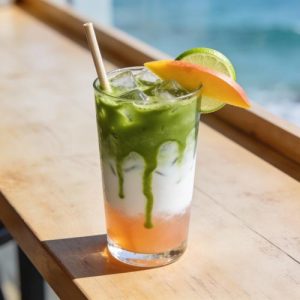
Fruit matcha drinks are having a moment. Customers want something that feels good, looks great on Instagram, and still sits in the “better for you” bucket. Real fruit plus matcha ticks all three boxes, and the good news is you do not need to be pureeing trays of strawberries every morning to get there. Fruit powders give you the flavour, colour and nutrition of real fruit without the waste or the labour of fresh prep, which makes them a very practical fit for an Australian café kitchen.
Matcha has moved from niche to normal in Australian cafés. The catch is that fresh fruit purée is messy, perishable, and time-consuming. This is where fruit powders, like the Boost Nutrients range from Opera Foods, come into their own. They give you real fruit flavour and colour, in a format that is shelf-stable, consistent, and incredibly easy for baristas to use.
Why Fruit Matcha Belongs On Your Menu
There are three big reasons fruit matcha is worth a serious look.
1. It matches what customers are already seeing online
Social media is full of layered matcha drinks: pink strawberry at the bottom, milk in the middle, bright green matcha on top. Posts about strawberry matcha and blueberry matcha are getting plenty of traction, especially with younger customers who treat these drinks as much as a fashion choice as a beverage. When your menu lines up with what they are seeing on their feed, it is an easier “yes” at the counter.
2. It sits in the “healthier treat” sweet spot
Matcha brings antioxidants and a softer, more sustained caffeine hit than coffee, thanks to its mix of caffeine and the amino acid L-theanine. Berries and other fruits add more antioxidants and vitamins on top. When you build a drink around matcha plus fruit, you can talk about more than just taste – you can honestly talk about benefits like natural energy and real fruit ingredients, without leaning into hard health claims.
3. It gives you a higher-value, premium tier
A well-presented fruit matcha, built with quality matcha and real fruit ingredients, can comfortably command a higher price point. Customers expect to pay more for something that looks special and uses recognisable ingredients.
Why Use Fruit Powder Instead of Fresh Purée?
In a busy café, fresh fruit puree can have some real drawbacks.
The challenges with fresh fruit prep
To keep purée tasting and looking good, you need reliable fruit supply, even out of season, plus time to wash, hull, cook or blend. You also need fridge or freezer space and a plan to use it all in a day or two before quality drops. That is a lot of pressure for a drink that might still be “emerging” on your menu.
How fruit powders solve the problem
Fruit powders solve most of those problems in one go. Boost Nutrients powders are made by drying real fruit purée and then milling it to a fine powder, which keeps much of the natural colour, flavour and nutrient content intact. Because the water has been removed, you get a highly concentrated ingredient that lasts for months in a sealed container and takes up very little storage space.
For a café, that means no daily fruit prep, no waste from unsold purée, much easier portion control, and the same taste and colour all year round, regardless of season. The Australian Mixed Berry powder, for example, combines strawberries, raspberries and blueberries into one concentrated blend, which is ideal for matcha drinks where you want vibrant colour and a recognisable berry profile.
Three Fruit Matcha Recipes Using Fruit Powder
These recipes are written with a 16oz (roughly 450–500ml) iced drink in mind. You can easily scale down for a smaller size or adapt for hot versions.
1. Australian Mixed Berry Matcha Latte
This one is your all-rounder: simple to make, visually striking, and flexible for different milks.
Ingredients (per drink)
- 1½ tsp ceremonial or barista-grade matcha powder
- 4 tbsp hot water (around 80°C)
- 1 to 1½ tsp Boost Nutrients Australian Mixed Berry Powder
- 1 tbsp agave, maple, or simple syrup (optional)
- 200ml milk of choice
- Ice
Method
- Sift the matcha into a small jug, add hot water, and whisk until smooth and lightly foamy.
- In the serving glass, stir the berry powder with 2 tbsp warm water until dissolved and vivid.
- Add sweetener to the berry layer if using and mix well.
- Fill the glass three-quarters full of ice, then pour the milk over the berry base.
- Slowly pour the whisked matcha over the top to create layers.
- Serve as is, or with a sprinkle of berry powder on the matcha foam.
2. Banana Cloud Matcha (Using Banana Powder)
Banana matcha is one of the newest fruit matcha combinations to gain serious traction, and it works beautifully: banana’s natural sweetness softens matcha’s earthy notes while adding body and a dessert-like quality that customers genuinely crave. It has the same Instagram appeal as strawberry matcha but feels more indulgent.
Ingredients (per drink)
- 1½ tsp ceremonial or barista-grade matcha powder
- 4 tbsp hot water (around 80°C)
- 2 tsp Boost Nutrients Organic Banana Fruit Powder
- 1 tbsp warm water (for dissolving banana powder)
- 150ml milk of choice
- 50ml coconut cream or heavy cream
- ½ tsp banana powder (reserved for the cloud)
- 1 tbsp maple syrup or sweetened condensed milk
- Pinch of cinnamon (optional but recommended)
- Ice
Method
- In the serving glass, combine 2 tsp banana powder with 1 tbsp warm water and maple syrup. Stir until you have a smooth, thick banana base with no clumps.
- Add a pinch of cinnamon to the banana mixture and stir through.
- Fill glass three-quarters full of ice, then pour milk over the banana layer.
- Whisk the matcha with hot water until smooth and frothy. Set aside.
- In a separate small bowl, combine the cream with ½ tsp banana powder. Whip with a hand frother or small whisk until light, fluffy and thick – this is your banana cloud.
- Pour the whisked matcha over the milk, creating the signature green layer.
- Spoon the whipped banana cloud generously on top.
- Optional: dust with a tiny pinch of cinnamon or extra banana powder.
3. Tropical Coconut Water Matcha Refresher
This one leans into hydration and hot-weather appeal. Using Boost Nutrients Organic Peach Powder or Australian Mango Powder, you get natural tropical sweetness without needing added syrup – just the fruit powder to carry the flavour and feel.
Ingredients (per drink)
- 1 tsp ceremonial or barista-grade matcha powder
- 3 tbsp hot water
- 1½ tsp Boost Nutrients Organic Peach Fruit Powder or Australian Mango Fruit Powder
- 1 tbsp warm water (for dissolving fruit powder)
- 150ml coconut water
- 50ml coconut milk
- ½ tsp fresh lime juice
- 1 tsp agave syrup (optional – the fruit powders are naturally sweet)
- Ice
- Optional garnish: lime wheel or thin peach/mango slice
Method
- In the serving glass, combine the fruit powder with 1 tbsp warm water. Stir until smooth and fully dissolved – no clumps.
- Add coconut water and lime juice to the fruit base, then stir well.
- Fill glass three-quarters full with ice.
- Pour coconut milk over the ice and fruit mixture.
- Whisk matcha with hot water until smooth and frothy.
- Slowly pour the whisked matcha over the milk, creating layers.
- Serve with a lime wheel or fresh peach/mango slice as garnish.
Start Small and Build
Fruit matcha drinks are a simple way to refresh your menu, appeal to younger and more health-conscious customers, and give your team something fun to talk about at the counter. Using fruit powder instead of fresh purée keeps the prep light, the waste low, and the flavour consistent, without losing that “real fruit” story customers increasingly look for.
If you are already using Boost Nutrients fruit powders in smoothies or bowls, fruit matcha is a natural next step. You are working with ingredients your team knows and simply layering them in a way that feels new.
This article was reproduced on this site with permission from operafoods.com.au the “Wholesale Café Suppliers”.
See original article:- Real Fruit Matcha Drinks: Easy, On-Trend Ideas Using Fruit Powder
Why the Tangy Desserts Trend will be a Winner in 2026

Seventy-eight percent of hospitality venues expect exotic fruit desserts to be their fastest-growing category in 2026. But here’s what’s really happening: it’s not just about exotic fruits. Customers are falling in love with tangy flavours. Yuzu, passionfruit, and tart berries are the stars right now, but this isn’t random. The trend toward exotic fruit is, fundamentally, the tangy desserts trend reshaping Australian food service in 2026.
This isn’t hype or guesswork. We’re seeing consistent signals from independent market researchers, pastry trend forecasters, and real venue data across Australia. What makes this moment genuinely significant isn’t just another shift in flavour preference. It’s something deeper: a fundamental change in how your customers perceive indulgence, health, and refined taste.
Is the Tangy Desserts Trend Actually Real, or Just Marketing Hype?
Yes, the tangy desserts trend is real. And you’re not imagining it if you’ve noticed customers asking for something different.
The signal comes not from one voice, but from multiple independent sources all identifying the same thing. Taste Tomorrow and Puratos, who track patisserie trends globally, identified “vibrant flavours that add acidity” as one of 2026’s three hottest trends back in October 2025. The International Flavour and Fragrance organisation confirmed tangy and acidic profiles as dominant across food service sectors in January 2026. IRCA Group’s analysis noted that “bright, tangy notes are bringing renewed energy to classic recipes.”
When multiple independent organisations all spot the same trend, you’re not watching a fad. You’re watching a genuine shift in what customers actually want. The tangy desserts trend is the real deal. The only question is whether you’re ready to respond to it.
What’s Actually Driving This Trend? Why Now, Not Five Years Ago?
So, what’s pulling customers toward tangy flavours? It comes down to four interconnected things that make sense once you think about them. Understanding what’s really driving this helps you talk about it to your customers and position it confidently on your menu.
Customers aren’t just chasing a flavour. They’re seeking something that feels sophisticated, health-conscious, and visually interesting all at once. That’s a big shift from the ultra-sweet desserts that used to dominate. And it changes how you position, price, and talk about tangy offerings.
What Will This Article Deliver?
We’ll walk you through why tangy desserts are resonating so strongly right now. By the end, you’ll understand not just what’s happening, but what it means for your specific business. More importantly, you’ll see how straightforward it actually is to add tangy options to your menu without overcomplicating things.
Why Your Customers Are Drawn to Tangy Flavours
The tangy desserts trend isn’t a random preference fluctuation. There are four solid, understandable reasons why customers are increasingly drawn to these flavours. Let’s look at each one.
Reason One: Health-Conscious Desserts and Natural Perception
Customers increasingly feel that tangy and acidic flavours signal something fresher and more natural. This isn’t purely psychological. There’s real nutritional substance behind it.
Why Acidity Reads as Healthy
Think about it. Citrus fruits like lemon, yuzu, and blood orange are associated with vitamin C and natural energy. Berries connect to antioxidants. Passionfruit carries connotations of exotic discovery and genuine wellness. These associations aren’t wrong. There really are nutritional benefits there.
Here’s the practical advantage for you: acidity itself becomes a health signal in customers’ minds. A tart flavour reads as “real fruit” rather than “added sweetness.” This perception shapes their buying decisions and actually allows you to justify premium pricing.
How to Use This in Your Business
When you position tangy desserts as health-conscious indulgences, you’re not inventing something. You’re reflecting what customers already believe about acidic flavours. That authenticity is what makes the positioning work.
Reason Two: Sophisticated Dessert Flavours and Palate Maturity
Health perception is only part of the story. Younger customers, especially, are actively rejecting ultra-sweet desserts. They’ve developed more sophisticated palates, and they’re seeking complexity.
The Coffee Analogy
Think about how coffee evolved. Bitterness used to be rejected. Now it signals knowledge and taste. Tangy desserts follow the same path. When a customer chooses yuzu ice cream over vanilla, they’re making a statement about themselves. They’re saying “I appreciate complex flavours.”
What This Means for Loyalty and Pricing
That positioning, where the dessert becomes part of how customers see themselves, is actually more valuable than a simple flavour preference. It generates customer loyalty and supports premium pricing. This is about identity, not just taste.
Reason Three: Visual Appeal and Shareability
Now the picture becomes complete. The sophistication expressed through flavour preference has a visual language that amplifies everything.
Why Tangy Desserts Photograph Well
Here’s something you’ve probably already noticed: tangy desserts are naturally beautiful. Yuzu’s pale yellow-green, passionfruit’s vibrant orange, and berry powder’s deep maroon tones all stand out dramatically against traditional brown and vanilla palettes.
The numbers back this up. Eighty-four percent of younger customers discover new food products via social media. Fifty-five percent have purchased products after seeing them go viral. Visual distinctiveness genuinely matters for word-of-mouth amplification.
The Authenticity Factor
But here’s what’s important to understand. The visual appeal actually works because the flavour sophistication is genuine. Customers aren’t fooled by the beautiful presentation of a mediocre product. The photo works because the dessert delivers on what the colours promise.
Layered presentations, colour contrast, textural complexity: these all communicate craft and care. In 2026, visual appeal isn’t a marketing trick. It’s how products demonstrate they’re actually good.
Reason Four: Fermented Desserts and the Sourdough Effect
This one might surprise you, but sourdough has fundamentally changed how customers think about acidity. This shift created the permission structure that makes tangy desserts possible now.
How Sourdough Changed Everything
Sourdough bread went mainstream and changed customer perception of acidity entirely. Google searches for sourdough jumped 178 percent in Q2 2025. Fifty-eight percent of customers now believe sourdough makes bread healthier. Seventy percent say it enhances flavour. Sweet baked goods incorporating sourdough claims are up 31 percent globally.
The Permission Structure
This mainstreaming created something important: a psychological permission structure. Acidity now means health (probiotics, beneficial bacteria, digestive wellness) and authenticity (slow fermentation, natural production, not processed). That permission framework has now extended into desserts.
Kombucha is a perfect example. It’s fermented and tangy, and it carries established health positioning that translates directly into desserts. Your customers understand fermentation as beneficial, not unusual. This removes a barrier that would have existed five years ago.
The Reframing That Changes Everything
The shift is simple but powerful. Tangy desserts aren’t “sour candies for adventurous eaters.” They’re “fermented, probiotic-rich indulgences aligned with wellness values.” That reframing changes everything for your business.
Who’s Driving This Trend: Gen Z Dessert Trends
Now that we understand the four reasons behind the trend, let’s look at who’s driving adoption most powerfully.
Why Gen Z Matters Most
These four reasons converge most powerfully with Gen Z customers (ages 16-28). The statistics tell the story. Ninety percent of Gen Z actively seek adventurous flavours. Eighty-four percent discover new products via social media. Fifty-five percent have actually purchased products after seeing them go viral.
This group has developed sophisticated palates through exposure to diverse cuisines. They have disposable income to spend. They use social media constantly. Food choices are part of how they express identity.
How Tangy Desserts Align Perfectly
Tangy desserts align perfectly with all of this. They’re sophisticated, healthful, visually interesting, and culturally meaningful. Yuzu signals Japanese culinary knowledge. Passionfruit signals tropical exploration. These aren’t trivial associations for this demographic.
The Business Reality
Here’s what matters for your business: Gen Z isn’t a niche market anymore. This cohort is now the primary driver of consumer trend adoption across food service. Their preferences shape what becomes mainstream. If you’re ignoring what Gen Z customers want, you’re betting against where your market is actually heading.
Your Path Forward: Making Tangy Desserts Part of Your Menu
So where does this leave you? Understanding why tangy desserts resonate is the foundation for adding them to your menu confidently. Your customers don’t just want tart flavours. They want sophisticated, health-aligned, visually interesting experiences that feel genuine. This psychology supports premium pricing, higher transaction values, and genuine customer loyalty.
What You Need to Get Started
The good news? You don’t need exotic speciality sourcing or complicated techniques. Our Boost Nutrients Mixed Berry Powder (made from Australian-grown strawberries, raspberries, and blueberries) is a simple yet effective way to add some sharper notes to a dessert.
Or maybe consider kombucha as a creative way to provide a fermented tang. Sour lollies and fruit jellies can add texture and tartness in a fun way. Combine these simple ingredients with fresh citrus, quality chocolate, nuts, and cream, and you have everything you need to launch immediately.
Tangy flavours in 2026 aren’t a fad. Are you ready to capture this demand at the optimal moment, before saturation erodes differentiation?
You will find creative ingredients to help you execute the tangy trend across the Opera Foods brand, but did you know we specialise in Wholesale Cafe Supplies? Start exploring today!
This article was reproduced on this site with permission from operafoods.com.au the “Wholesale Café Suppliers”.
See original article:- Why the Tangy Desserts Trend will be a Winner in 2026
Plant-Based Desserts: Why You Should Lose the Vegan Label
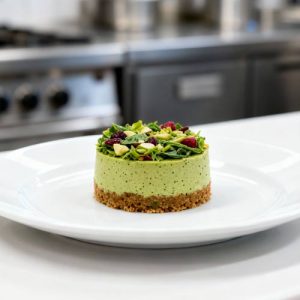
The dessert menu landscape is shifting in ways most operators haven’t fully noticed. It’s not dramatic or headline-grabbing. It’s quiet. But if you’re paying attention, it’s everywhere: the most commercially successful plant-based desserts today aren’t labelled “vegan” at all.
Walk into premium dessert bars or forward-thinking gelato makers, and you’ll see it in the menu language. Miso caramel brittle. Salted dark chocolate tart. Black sesame semifreddo. Notice what’s absent? The word “vegan.” Yet many of these items happen to be entirely plant-based.
This isn’t accidental. It’s strategic—and it’s working.
The Labelling Paradox
Here’s the contradiction at the heart of modern plant-based marketing: the term “vegan” actually suppresses mainstream purchasing intent. Research shows that roughly 90% of plant-based products are purchased by people who don’t identify as vegan. Yet labelling something “vegan” reduces appeal among exactly this mainstream audience. Swap the label to “plant-based,” and purchasing intent climbs approximately 20%.
Why? Because language shapes perception. “Vegan” signals restriction, ideology, and trade-off. Mainstream consumers hear “vegan” and think: What am I giving up? What won’t this taste like? They approach it defensively, expecting compromise.
“Plant-based,” by contrast, feels modern, health-conscious, and inclusive without the baggage. But even “plant-based” as a leading claim can backfire. What drives purchase is simpler: the product has to be excellent.
This distinction matters profoundly for how operators position plant-based items on menus.
Quality First, Credentials Second
The flexitarian demographic—consumers who eat mostly plant-based but aren’t strict adherents—now represents a substantial and growing segment of the global market. This group isn’t motivated by ideology. They want authentic experiences, not compromises dressed up as alternatives.
Taste remains the dominant factor in dessert choice. Data shows that nearly a quarter of consumers cite a lack of flavour as their primary reason for avoiding plant-based foods altogether. This is revealing: it’s not about health, ethics, or even availability. It’s about whether it tastes good.
Operators who’ve succeeded with plant-based offerings have internalised this insight: stop positioning the product as “plant-based-that-also-tastes-good” and start positioning it as “this tastes exceptional, and it happens to be plant-based.”
This reframing is liberation. It means:
Leading with indulgence, not health claims. Premium operators describe plant-based tarts using language of richness, complexity, and satisfaction—not nutritional virtue. A miso caramel brittle isn’t sold on antioxidants; it’s sold on the interplay of umami depth and sweet crunch.
Texture and flavour innovation as differentiators. When you can’t rely on dairy richness to create satisfaction, ingredient quality and technical execution become non-negotiable. This has pushed the category forward dramatically. Some of the most interesting dessert innovations happening right now exist precisely because operators accepted this constraint as a creative challenge.
Authenticity over imitation. Failed plant-based products typically make the mistake of trying to mimic dairy-based equivalents. Successful ones own their own logic. They’re not “vegan chocolate mousse”; they’re mousse crafted from premium cacao, aquafaba, and technique—full stop.
The Menu Language Question
So where does transparency fit? This is where many operators stumble. There’s a distinction between leading with vegan credentials and hiding dietary information. Allergen transparency and ingredient honesty are essential—not optional.
The opportunity lies in where and how this information appears. Leading with “Vegan” in the menu title suppresses interest. Disclosing “vegan” in small text beneath the description, in an allergen key, or in response to a direct customer question? That’s different entirely. It’s honest without being the headline.
Premium operators are increasingly using this approach: they position the product on its merits (flavour, texture, uniqueness, visual appeal), and allergen/dietary information sits in the background, ready to support customer choice rather than lead it.
Here’s What Changes for Your Menu
The commercial reality is straightforward. Mainstream customers will choose excellent plant-based desserts if:
- They’re positioned as premium products with authentic appeal, not as ethical compromises
- They deliver on taste, texture, and visual impact—matching or exceeding their dairy equivalents in sensory experience
- Dietary positioning is transparent, but not the lead story
This requires investment. Quality plant-based bases require better ingredients and more careful technique than cutting corners elsewhere. But the category has matured enough that the economics now favour this approach. Operators investing in excellence see higher margins, stronger repeat purchase, and genuine customer advocacy—not just the niche audience, but mainstream diners.
The barrier for mainstream entry has dropped. And your customers aren’t looking for a lecture on plant-based philosophy. They’re looking for a dessert that’s worth ordering.
A New Industry Standard
What’s happening isn’t a “trend.” It’s a category evolution. The early days of plant-based desserts—when simply being vegan was a selling point—are over. The products that drove initial interest (novelty value, ethical positioning) have been replaced by a new standard: excellent desserts that happen to fit multiple dietary contexts.
For premium operators, this is an opportunity. Menu differentiation, ingredient margin, and genuine customer interest all flow from committing to excellence in this category. The economics reward authenticity over marketing claims. Customers reward it too.
The quiet revolution isn’t about promoting vegan credentials. It’s about an entire category growing up—moving from alternative positioning to genuine mainstream appeal, where quality speaks first, and dietary alignment is simply a bonus.
Where Opera Foods Fits In
As a wholesale ingredient supplier working with cafés, dessert bars, and gelato makers across Australia, Opera Foods sees this shift playing out daily. The operators succeeding with plant-based desserts are the ones investing in quality ingredients and confident positioning—not dietary disclaimers.
We supply the building blocks, the premium ingredients that make flavour-first desserts possible. Wholesale pricing, straightforward online ordering, and reliable delivery mean you can focus on execution rather than logistics.