
cafe supplies
now browsing by tag
Banana Powder: How to Cut Added Sugar Without Losing Sweetness
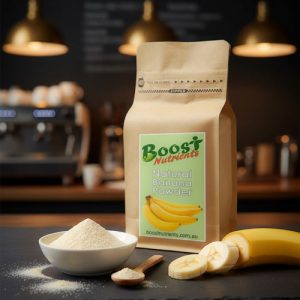
When customers ask for less sugar in their smoothies or coffee, they are rarely asking for less sweetness. They want the satisfaction of genuinely sweet flavours without the refined sugar they are working to avoid. Research shows 53% of consumers now view sugar as harmful to their health, and that creates a real gap between what people crave and what they are willing to order.
Banana powder bridges that gap. It delivers natural sweetness from whole fruit, approximately 77.7g of natural sugars per 100g, alongside fibre and resistant starch that refined sugar entirely lacks. The result tastes sweet, feels indulgent, and lets your menu genuinely claim to be no-added-sugar.
What Makes Banana Powder an Effective Natural Sweetener?
Not all banana powders are created the same way, and the production method has a direct bearing on what ends up in your customers’ drinks and food. Opera Foods’ Organic Banana Fruit Powder is made from 100% organic banana puree using a low-temperature continuous evaporation process. Unlike freeze-dried products, this gentle method preserves the colour, flavour, aroma, and nutrients of the fruit without damaging them. The result is a powder with higher nutritional value and more vibrant flavour than alternatives made with harsher processing.
The single ingredient is organic banana puree, nothing added beyond a small amount of anti-caking agent to keep the powder free-flowing. One kilogram is equivalent to approximately 3.8kg of fresh banana puree, delivering concentrated sweetness with a shelf life that fresh fruit cannot match. It is Australian-made and gluten-free.
When customers see “naturally sweetened” on your menu, they are looking for whole food ingredients, not clever reformulations of the same refined sugars. Natural fruit sugars come packaged with fibre that slows absorption, vitamins that support metabolism, and resistant starch that may help regulate blood sugar response. Banana powder gives you something credible to put behind that claim.
How to Add Natural Sweetness to Your Cafe Menu with Banana Powder
Can You Make No Added Sugar Cold Foam with Banana Powder?
Cold foam sweetened with banana powder transforms from a simple topping into a genuine flavour component: subtly tropical, creamy, and thick enough to hold its structure through the entire drink.
Blend 1 to 2 tablespoons of banana powder with 100ml of milk or oat milk and a touch of protein powder. The result foams beautifully, creating pale gold clouds that contrast well against dark coffee or vibrant matcha. The banana flavour stays subtle — customers notice creamy sweetness rather than distinct fruit. Paired with iced coffee, the slight tropical note complements coffee’s chocolate and nutty tones without overwhelming them, creating a more interesting flavour progression than a uniformly sweetened beverage.
How Do You Make a Naturally Sweetened Protein Smoothie?
Protein powders notoriously taste chalky, bitter, or artificially sweet. Banana powder masks these off notes completely whilst adding its own pleasant tropical flavour, creating no added sugar smoothies that taste like banana milkshakes despite containing 25 to 30g of protein per serve.
Blend 2 tablespoons of banana powder with vanilla or chocolate protein powder, frozen berries, 1 tablespoon of nut butter, and 250ml of milk. The banana adds body and natural sweetness, creating a thick, creamy texture without the frozen banana chunks that can dilute flavour and create an icy mouthfeel. The drink tastes genuinely indulgent — customers get the satisfaction of something rich and sweet alongside the recovery benefits they came for.
How Does Banana Powder Work in Smoothie Bowls?
A great smoothie bowl needs to be thick enough to support toppings, smooth without ice crystals, and naturally sweet without sugar syrup. Banana powder delivers all three simultaneously.
Mix 2 to 3 tablespoons directly into your smoothie bowl base, typically frozen acai, berries, or mango blended with minimal liquid. The powder thickens dramatically when blended, creating a dense, almost ice-cream-like consistency that holds granola, fresh fruit, and seeds without sinking. The natural sweetness means you can drop the honey, maple syrup, or agave typically drizzled over the top, so customers taste banana’s gentle sweetness woven through every mouthful rather than pooled in spots. Topped with crunchy granola, fresh berries, coconut flakes, and seeds, the contrast in texture makes the bowl genuinely satisfying.
Does Banana Powder Work as a Natural Sweetener in Coffee?
Not every customer wants a distinct flavour added to their coffee. Some simply want natural sweetness that enhances rather than transforms what is already in the cup.
Whisk 1 teaspoon of banana powder into espresso or steamed milk. In hot applications, the banana taste mellows considerably, leaving roundness and depth rather than tropical notes. It works particularly well in iced coffee and cold brew, where it blends smoothly into cold milk and adds a slight creaminess that makes dairy alternatives feel more substantial. For customers who typically reach for two sugars, it delivers familiar sweetness from a whole food ingredient they can feel good about.
Can Banana Powder Replace Sugar in Baked Goods?
Banana powder integrates cleanly into baked goods where sweetness is coming from multiple sources. Muffins, banana bread, and energy balls are particularly well suited — banana flavour is expected, and the powder folds into the dry ingredients without altering the recipe’s structure the way fresh banana can.
Add 2 to 3 tablespoons to your dry mix when making muffins or banana bread, reducing any added sugar by a comparable amount. For energy balls, blend banana powder with oats, nut butter, and a small amount of honey or dates. The flavour is genuine and recognisable — a banana and dark chocolate muffin or a peanut butter banana energy ball made with organic banana powder gives customers something they can pick up knowing the sweetness comes from whole fruit.
How to Store Banana Powder and Get the Best Results
Opera Foods’ banana powder has a shelf life of more than two years when stored correctly. Keep unopened stock in a cool, dry place below 20°C. Once opened, squeeze out as much air as possible, reseal the foil-lined bag quickly, and store it in the refrigerator or freezer. If the powder does lump or cake, it is still perfectly fine to use — simply break it up by hand or in the blender before measuring.
Start conservatively with quantities. Banana powder’s sweetness concentrates significantly, so begin with 1 to 2 tablespoons per serve in smoothies and beverages and adjust from there. The powder disperses rather than dissolves, so blend or whisk it thoroughly, and allow a little extra time for full hydration in cold applications before serving.
How to Describe Naturally Sweetened Menu Items to Customers
“Naturally sweetened with organic banana powder” communicates whole food sourcing at a glance. “No added sugar” and “no refined sugar” speak directly to customers actively managing their intake, and small menu icons can help them find suitable options quickly without having to ask.
When customers do ask, the answer is simple: banana powder is naturally sweet from whole fruit, and it includes fibre that refined sugar does not. That is a straightforward explanation that resonates, and it positions what is on the plate as genuinely considered rather than a compromise.
Banana powder delivers sweetness through ingredients your customers already respect. It transforms familiar favourites — smoothies, coffee drinks, baked goods, and smoothie bowls — into options that health-conscious customers can order confidently, knowing their choice supports rather than undermines what they are working towards.
Ready to explore banana powder alongside other natural, nutrient-dense ingredients? Browse Opera Foods’ full range of fruit powders and find the ingredients your customers are looking for.
This article was reproduced on this site with permission from operafoods.com.au the “Wholesale Café Suppliers”.
See original article:- Banana Powder: How to Cut Added Sugar Without Losing Sweetness
5 Ways Cafes Are Using Cacao Powder

Australian cafe customers are increasingly making menu choices based on what an ingredient does, not just how it tastes. They want the chocolate flavour, but they also want the antioxidants, the magnesium, the clean energy. Raw cacao powder delivers all of that, and it gives you a genuine story to tell at the counter.
Unlike standard cocoa powder, raw cacao powder is minimally processed, which means it retains far more of the good stuff: antioxidants, magnesium, and theobromine (a naturally occurring stimulant that delivers smooth, sustained energy without the jittery spike of caffeine). In fact, cacao contains more antioxidants per gram than both acai berries and blueberries, making it a genuine functional food rather than just a flavour trend.
For Australian cafe owners looking to differentiate their menus, attract health-conscious customers, and justify premium pricing, cacao powder delivers on all three fronts.
Here are five ways cafes are putting it to work.
1. Cacao-Dusted Ice Cream and Soft Serve
What does cacao powder do to ice cream?
A fine dusting of raw cacao powder over vanilla or chocolate ice cream is one of the simplest upgrades you can make to a dessert menu. The slight natural bitterness of cacao cuts through the sweetness of the ice cream, creating a more complex flavour that adult palates particularly appreciate. It also looks stunning, which matters more than ever in an Instagram-driven market.
Unlike chocolate syrup or sauce, cacao powder clings to cold surfaces without dissolving immediately, so the presentation holds from the counter to the customer. Dust lightly using a fine-mesh sieve just before service. Think elegant rather than heavy-handed.
Serving suggestion
Pair cacao-dusted ice cream with a sprinkle of sea salt flakes or crushed pistachios for added texture. It works particularly well with dairy-free coconut or almond-based ice creams, where cacao’s richness complements lighter base flavours beautifully.
2. Cacao Protein Smoothies
What is the best way to add cacao powder to a smoothie?
Cacao powder transforms a standard protein smoothie into a naturally chocolate-flavoured drink that satisfies dessert cravings whilst supporting genuine fitness goals. It’s one of the most commercially appealing combinations you can put on a menu, particularly for the post-gym and lunchtime crowd.
The theobromine in cacao provides gentle, sustained energy without the crashes associated with caffeine or refined sugar, making it an honest sell to customers who are mindful about what they put in their bodies.
Basic cacao protein smoothie formula (per serve)
- 1 to 2 tablespoons raw cacao powder
- 1 serve of whey or plant-based protein powder
- 1 medium frozen banana (creates creamy texture and natural sweetness)
- 1 tablespoon nut butter
- 250ml milk of choice
- A small handful of ice
Add a pinch of cinnamon to naturally enhance the chocolate flavour and reduce the need for added sweetener. Blend until smooth and serve immediately.
3. Cacao Chia Pudding for Grab-and-Go
Can you make chocolate chia pudding with cacao powder?
Yes, and it’s one of the best low-effort, high-margin items you can add to a grab-and-go fridge. Chia pudding prepares overnight, holds well for several days under refrigeration, and appeals to vegan, dairy-free, and health-conscious customers. Adding cacao powder transforms it from a worthy but plain health food into something that genuinely feels indulgent.
The combination makes nutritional sense too: chia seeds provide texture, plant-based protein, and omega-3 fatty acids, whilst cacao delivers rich chocolate flavour and antioxidants without requiring much added sugar. Both ingredients are high in dietary fibre, supporting satiety and digestive health.
Overnight cacao chia pudding (per serve)
- 3 tablespoons chia seeds
- 250ml coconut or almond milk
- 2 tablespoons raw cacao powder
- 1 tablespoon maple syrup
- Half teaspoon vanilla extract
Stir well, refrigerate overnight, then serve in clear jars topped with fresh berries, granola, or toasted coconut flakes. The deep, dark colour of cacao pudding showcases beautifully in clear containers, doing a lot of the visual selling for you. Position these as an afternoon energy snack for customers looking for a coffee-free pick-me-up.
4. Cacao Mocha Variations
How do you use cacao powder in coffee drinks?
Cacao powder creates sophisticated coffee drinks that take your beverage menu well beyond the standard mocha. When coffee and cacao are combined, the caffeine from espresso and the theobromine from cacao work together to provide layered, sustained alertness rather than a single sharp spike followed by a crash. That’s a compelling story to tell customers.
The flavour pairing is also genuinely complementary. Cacao’s complex, slightly bitter chocolate notes add richness that allows you to reduce added sugar without losing depth. For customers who love a mocha but are trying to cut back on sweetness, this is a natural solution.
Basic cacao mocha method
Whisk 1 teaspoon of raw cacao powder together with a double espresso shot until fully combined, then add steamed milk of choice. This step is important: cacao powder does not dissolve like processed cocoa powder, so it needs to be whisked thoroughly with the hot espresso before adding the milk. For visual impact, dust a little extra cacao over the foam before serving.
Seasonal variations to consider: cacao with orange zest, fresh mint, or a very small pinch of dried chilli all make for interesting limited-edition menu additions that generate genuine customer conversation.
5. Layered Parfaits and Dessert Cups
How do you make a cacao parfait?
Cacao powder excels in layered desserts, where its rich, dark colour creates striking visual contrast against lighter layers of yoghurt, cream, or coconut custard. These are the kinds of items that customers photograph before they eat, which translates directly into organic social media reach for your cafe.
Mix cacao powder directly into Greek yoghurt, mascarpone, or coconut cream to create chocolate layers, then alternate with granola, fresh seasonal fruit, or a nut crumble. The natural bitterness of raw cacao suits the adult palates that tend to populate the brunch and specialty coffee market. When customers say they want something that tastes like dark chocolate rather than milk chocolate, cacao delivers that precisely.
Layering technique (per cup)
- Mix 1 to 2 tablespoons cacao powder per cup of yoghurt or cream base
- Start with minimal sweetness and adjust with honey or maple syrup to taste
- Layer in clear cups to showcase colour contrast
- Finish with granola, fresh berries, or cacao nibs for texture
A Few Things Worth Knowing About Cacao Powder
When sourcing cacao powder, look for raw or cold-pressed options such as Opera Foods’ organic cacao powder, as these preserve significantly more of the nutritional benefits than heavily processed cocoa powder. The colour should be a rich, dark brown with almost a reddish-burgundy tone, which indicates minimal processing.
Store cacao in an airtight container away from heat and light to preserve antioxidant properties and prevent the oils from going rancid. On your menu, use the term “raw cacao” rather than just “cacao” or “chocolate” to clearly distinguish your products from standard chocolate offerings. Customers who actively seek out cacao understand the difference and will appreciate the transparency.
When your team can confidently explain why cacao costs a little more than standard cocoa powder (higher antioxidant content, magnesium for natural energy support, sustained stimulation without jitters), customers perceive value rather than expense. That’s the difference between justifying a price point and owning it.
Where to Start
Cacao powder rewards experimentation. It transforms familiar formats into offerings that health-conscious customers actively seek out, with genuine nutritional credentials to back up the premium positioning.
Start with one application that suits your cafe’s strengths. An ice cream or dessert-focused operation might begin with cacao dusting. A cafe with a strong beverage programme could explore mocha variations first. Grab-and-go operators can test chia pudding overnight with minimal risk and gauge the response.
The most successful cacao applications photograph beautifully, communicate quality clearly, and deliver a flavour that customers notice and remember. When they start returning specifically to ask for your cacao menu items, you’ll know you’ve built something worth building on.
Ready to explore more superfood ingredients for your menu? Browse the full Opera Foods superfoods range here.
This article was reproduced on this site with permission from operafoods.com.au the “Wholesale Café Suppliers”.
See original article:- 5 Ways Cafes Are Using Cacao Powder
Real Fruit Matcha Drinks: Easy, On-Trend Ideas Using Fruit Powder

Fruit matcha drinks are having a moment. Customers want something that feels good, looks great on Instagram, and still sits in the “better for you” bucket. Real fruit plus matcha ticks all three boxes, and the good news is you do not need to be pureeing trays of strawberries every morning to get there. Fruit powders give you the flavour, colour and nutrition of real fruit without the waste or the labour of fresh prep, which makes them a very practical fit for an Australian café kitchen.
Matcha has moved from niche to normal in Australian cafés. The catch is that fresh fruit purée is messy, perishable, and time-consuming. This is where fruit powders, like the Boost Nutrients range from Opera Foods, come into their own. They give you real fruit flavour and colour, in a format that is shelf-stable, consistent, and incredibly easy for baristas to use.
Why Fruit Matcha Belongs On Your Menu
There are three big reasons fruit matcha is worth a serious look.
1. It matches what customers are already seeing online
Social media is full of layered matcha drinks: pink strawberry at the bottom, milk in the middle, bright green matcha on top. Posts about strawberry matcha and blueberry matcha are getting plenty of traction, especially with younger customers who treat these drinks as much as a fashion choice as a beverage. When your menu lines up with what they are seeing on their feed, it is an easier “yes” at the counter.
2. It sits in the “healthier treat” sweet spot
Matcha brings antioxidants and a softer, more sustained caffeine hit than coffee, thanks to its mix of caffeine and the amino acid L-theanine. Berries and other fruits add more antioxidants and vitamins on top. When you build a drink around matcha plus fruit, you can talk about more than just taste – you can honestly talk about benefits like natural energy and real fruit ingredients, without leaning into hard health claims.
3. It gives you a higher-value, premium tier
A well-presented fruit matcha, built with quality matcha and real fruit ingredients, can comfortably command a higher price point. Customers expect to pay more for something that looks special and uses recognisable ingredients.
Why Use Fruit Powder Instead of Fresh Purée?
In a busy café, fresh fruit puree can have some real drawbacks.
The challenges with fresh fruit prep
To keep purée tasting and looking good, you need reliable fruit supply, even out of season, plus time to wash, hull, cook or blend. You also need fridge or freezer space and a plan to use it all in a day or two before quality drops. That is a lot of pressure for a drink that might still be “emerging” on your menu.
How fruit powders solve the problem
Fruit powders solve most of those problems in one go. Boost Nutrients powders are made by drying real fruit purée and then milling it to a fine powder, which keeps much of the natural colour, flavour and nutrient content intact. Because the water has been removed, you get a highly concentrated ingredient that lasts for months in a sealed container and takes up very little storage space.
For a café, that means no daily fruit prep, no waste from unsold purée, much easier portion control, and the same taste and colour all year round, regardless of season. The Australian Mixed Berry powder, for example, combines strawberries, raspberries and blueberries into one concentrated blend, which is ideal for matcha drinks where you want vibrant colour and a recognisable berry profile.
Three Fruit Matcha Recipes Using Fruit Powder
These recipes are written with a 16oz (roughly 450–500ml) iced drink in mind. You can easily scale down for a smaller size or adapt for hot versions.
1. Australian Mixed Berry Matcha Latte
This one is your all-rounder: simple to make, visually striking, and flexible for different milks.
Ingredients (per drink)
- 1½ tsp ceremonial or barista-grade matcha powder
- 4 tbsp hot water (around 80°C)
- 1 to 1½ tsp Boost Nutrients Australian Mixed Berry Powder
- 1 tbsp agave, maple, or simple syrup (optional)
- 200ml milk of choice
- Ice
Method
- Sift the matcha into a small jug, add hot water, and whisk until smooth and lightly foamy.
- In the serving glass, stir the berry powder with 2 tbsp warm water until dissolved and vivid.
- Add sweetener to the berry layer if using and mix well.
- Fill the glass three-quarters full of ice, then pour the milk over the berry base.
- Slowly pour the whisked matcha over the top to create layers.
- Serve as is, or with a sprinkle of berry powder on the matcha foam.
2. Banana Cloud Matcha (Using Banana Powder)
Banana matcha is one of the newest fruit matcha combinations to gain serious traction, and it works beautifully: banana’s natural sweetness softens matcha’s earthy notes while adding body and a dessert-like quality that customers genuinely crave. It has the same Instagram appeal as strawberry matcha but feels more indulgent.
Ingredients (per drink)
- 1½ tsp ceremonial or barista-grade matcha powder
- 4 tbsp hot water (around 80°C)
- 2 tsp Boost Nutrients Organic Banana Fruit Powder
- 1 tbsp warm water (for dissolving banana powder)
- 150ml milk of choice
- 50ml coconut cream or heavy cream
- ½ tsp banana powder (reserved for the cloud)
- 1 tbsp maple syrup or sweetened condensed milk
- Pinch of cinnamon (optional but recommended)
- Ice
Method
- In the serving glass, combine 2 tsp banana powder with 1 tbsp warm water and maple syrup. Stir until you have a smooth, thick banana base with no clumps.
- Add a pinch of cinnamon to the banana mixture and stir through.
- Fill glass three-quarters full of ice, then pour milk over the banana layer.
- Whisk the matcha with hot water until smooth and frothy. Set aside.
- In a separate small bowl, combine the cream with ½ tsp banana powder. Whip with a hand frother or small whisk until light, fluffy and thick – this is your banana cloud.
- Pour the whisked matcha over the milk, creating the signature green layer.
- Spoon the whipped banana cloud generously on top.
- Optional: dust with a tiny pinch of cinnamon or extra banana powder.
3. Tropical Coconut Water Matcha Refresher
This one leans into hydration and hot-weather appeal. Using Boost Nutrients Organic Peach Powder or Australian Mango Powder, you get natural tropical sweetness without needing added syrup – just the fruit powder to carry the flavour and feel.
Ingredients (per drink)
- 1 tsp ceremonial or barista-grade matcha powder
- 3 tbsp hot water
- 1½ tsp Boost Nutrients Organic Peach Fruit Powder or Australian Mango Fruit Powder
- 1 tbsp warm water (for dissolving fruit powder)
- 150ml coconut water
- 50ml coconut milk
- ½ tsp fresh lime juice
- 1 tsp agave syrup (optional – the fruit powders are naturally sweet)
- Ice
- Optional garnish: lime wheel or thin peach/mango slice
Method
- In the serving glass, combine the fruit powder with 1 tbsp warm water. Stir until smooth and fully dissolved – no clumps.
- Add coconut water and lime juice to the fruit base, then stir well.
- Fill glass three-quarters full with ice.
- Pour coconut milk over the ice and fruit mixture.
- Whisk matcha with hot water until smooth and frothy.
- Slowly pour the whisked matcha over the milk, creating layers.
- Serve with a lime wheel or fresh peach/mango slice as garnish.
Start Small and Build
Fruit matcha drinks are a simple way to refresh your menu, appeal to younger and more health-conscious customers, and give your team something fun to talk about at the counter. Using fruit powder instead of fresh purée keeps the prep light, the waste low, and the flavour consistent, without losing that “real fruit” story customers increasingly look for.
If you are already using Boost Nutrients fruit powders in smoothies or bowls, fruit matcha is a natural next step. You are working with ingredients your team knows and simply layering them in a way that feels new.
This article was reproduced on this site with permission from operafoods.com.au the “Wholesale Café Suppliers”.
See original article:- Real Fruit Matcha Drinks: Easy, On-Trend Ideas Using Fruit Powder