
dessert toppings
now browsing by tag
Why the Tangy Desserts Trend will be a Winner in 2026

Seventy-eight percent of hospitality venues expect exotic fruit desserts to be their fastest-growing category in 2026. But here’s what’s really happening: it’s not just about exotic fruits. Customers are falling in love with tangy flavours. Yuzu, passionfruit, and tart berries are the stars right now, but this isn’t random. The trend toward exotic fruit is, fundamentally, the tangy desserts trend reshaping Australian food service in 2026.
This isn’t hype or guesswork. We’re seeing consistent signals from independent market researchers, pastry trend forecasters, and real venue data across Australia. What makes this moment genuinely significant isn’t just another shift in flavour preference. It’s something deeper: a fundamental change in how your customers perceive indulgence, health, and refined taste.
Is the Tangy Desserts Trend Actually Real, or Just Marketing Hype?
Yes, the tangy desserts trend is real. And you’re not imagining it if you’ve noticed customers asking for something different.
The signal comes not from one voice, but from multiple independent sources all identifying the same thing. Taste Tomorrow and Puratos, who track patisserie trends globally, identified “vibrant flavours that add acidity” as one of 2026’s three hottest trends back in October 2025. The International Flavour and Fragrance organisation confirmed tangy and acidic profiles as dominant across food service sectors in January 2026. IRCA Group’s analysis noted that “bright, tangy notes are bringing renewed energy to classic recipes.”
When multiple independent organisations all spot the same trend, you’re not watching a fad. You’re watching a genuine shift in what customers actually want. The tangy desserts trend is the real deal. The only question is whether you’re ready to respond to it.
What’s Actually Driving This Trend? Why Now, Not Five Years Ago?
So, what’s pulling customers toward tangy flavours? It comes down to four interconnected things that make sense once you think about them. Understanding what’s really driving this helps you talk about it to your customers and position it confidently on your menu.
Customers aren’t just chasing a flavour. They’re seeking something that feels sophisticated, health-conscious, and visually interesting all at once. That’s a big shift from the ultra-sweet desserts that used to dominate. And it changes how you position, price, and talk about tangy offerings.
What Will This Article Deliver?
We’ll walk you through why tangy desserts are resonating so strongly right now. By the end, you’ll understand not just what’s happening, but what it means for your specific business. More importantly, you’ll see how straightforward it actually is to add tangy options to your menu without overcomplicating things.
Why Your Customers Are Drawn to Tangy Flavours
The tangy desserts trend isn’t a random preference fluctuation. There are four solid, understandable reasons why customers are increasingly drawn to these flavours. Let’s look at each one.
Reason One: Health-Conscious Desserts and Natural Perception
Customers increasingly feel that tangy and acidic flavours signal something fresher and more natural. This isn’t purely psychological. There’s real nutritional substance behind it.
Why Acidity Reads as Healthy
Think about it. Citrus fruits like lemon, yuzu, and blood orange are associated with vitamin C and natural energy. Berries connect to antioxidants. Passionfruit carries connotations of exotic discovery and genuine wellness. These associations aren’t wrong. There really are nutritional benefits there.
Here’s the practical advantage for you: acidity itself becomes a health signal in customers’ minds. A tart flavour reads as “real fruit” rather than “added sweetness.” This perception shapes their buying decisions and actually allows you to justify premium pricing.
How to Use This in Your Business
When you position tangy desserts as health-conscious indulgences, you’re not inventing something. You’re reflecting what customers already believe about acidic flavours. That authenticity is what makes the positioning work.
Reason Two: Sophisticated Dessert Flavours and Palate Maturity
Health perception is only part of the story. Younger customers, especially, are actively rejecting ultra-sweet desserts. They’ve developed more sophisticated palates, and they’re seeking complexity.
The Coffee Analogy
Think about how coffee evolved. Bitterness used to be rejected. Now it signals knowledge and taste. Tangy desserts follow the same path. When a customer chooses yuzu ice cream over vanilla, they’re making a statement about themselves. They’re saying “I appreciate complex flavours.”
What This Means for Loyalty and Pricing
That positioning, where the dessert becomes part of how customers see themselves, is actually more valuable than a simple flavour preference. It generates customer loyalty and supports premium pricing. This is about identity, not just taste.
Reason Three: Visual Appeal and Shareability
Now the picture becomes complete. The sophistication expressed through flavour preference has a visual language that amplifies everything.
Why Tangy Desserts Photograph Well
Here’s something you’ve probably already noticed: tangy desserts are naturally beautiful. Yuzu’s pale yellow-green, passionfruit’s vibrant orange, and berry powder’s deep maroon tones all stand out dramatically against traditional brown and vanilla palettes.
The numbers back this up. Eighty-four percent of younger customers discover new food products via social media. Fifty-five percent have purchased products after seeing them go viral. Visual distinctiveness genuinely matters for word-of-mouth amplification.
The Authenticity Factor
But here’s what’s important to understand. The visual appeal actually works because the flavour sophistication is genuine. Customers aren’t fooled by the beautiful presentation of a mediocre product. The photo works because the dessert delivers on what the colours promise.
Layered presentations, colour contrast, textural complexity: these all communicate craft and care. In 2026, visual appeal isn’t a marketing trick. It’s how products demonstrate they’re actually good.
Reason Four: Fermented Desserts and the Sourdough Effect
This one might surprise you, but sourdough has fundamentally changed how customers think about acidity. This shift created the permission structure that makes tangy desserts possible now.
How Sourdough Changed Everything
Sourdough bread went mainstream and changed customer perception of acidity entirely. Google searches for sourdough jumped 178 percent in Q2 2025. Fifty-eight percent of customers now believe sourdough makes bread healthier. Seventy percent say it enhances flavour. Sweet baked goods incorporating sourdough claims are up 31 percent globally.
The Permission Structure
This mainstreaming created something important: a psychological permission structure. Acidity now means health (probiotics, beneficial bacteria, digestive wellness) and authenticity (slow fermentation, natural production, not processed). That permission framework has now extended into desserts.
Kombucha is a perfect example. It’s fermented and tangy, and it carries established health positioning that translates directly into desserts. Your customers understand fermentation as beneficial, not unusual. This removes a barrier that would have existed five years ago.
The Reframing That Changes Everything
The shift is simple but powerful. Tangy desserts aren’t “sour candies for adventurous eaters.” They’re “fermented, probiotic-rich indulgences aligned with wellness values.” That reframing changes everything for your business.
Who’s Driving This Trend: Gen Z Dessert Trends
Now that we understand the four reasons behind the trend, let’s look at who’s driving adoption most powerfully.
Why Gen Z Matters Most
These four reasons converge most powerfully with Gen Z customers (ages 16-28). The statistics tell the story. Ninety percent of Gen Z actively seek adventurous flavours. Eighty-four percent discover new products via social media. Fifty-five percent have actually purchased products after seeing them go viral.
This group has developed sophisticated palates through exposure to diverse cuisines. They have disposable income to spend. They use social media constantly. Food choices are part of how they express identity.
How Tangy Desserts Align Perfectly
Tangy desserts align perfectly with all of this. They’re sophisticated, healthful, visually interesting, and culturally meaningful. Yuzu signals Japanese culinary knowledge. Passionfruit signals tropical exploration. These aren’t trivial associations for this demographic.
The Business Reality
Here’s what matters for your business: Gen Z isn’t a niche market anymore. This cohort is now the primary driver of consumer trend adoption across food service. Their preferences shape what becomes mainstream. If you’re ignoring what Gen Z customers want, you’re betting against where your market is actually heading.
Your Path Forward: Making Tangy Desserts Part of Your Menu
So where does this leave you? Understanding why tangy desserts resonate is the foundation for adding them to your menu confidently. Your customers don’t just want tart flavours. They want sophisticated, health-aligned, visually interesting experiences that feel genuine. This psychology supports premium pricing, higher transaction values, and genuine customer loyalty.
What You Need to Get Started
The good news? You don’t need exotic speciality sourcing or complicated techniques. Our Boost Nutrients Mixed Berry Powder (made from Australian-grown strawberries, raspberries, and blueberries) is a simple yet effective way to add some sharper notes to a dessert.
Or maybe consider kombucha as a creative way to provide a fermented tang. Sour lollies and fruit jellies can add texture and tartness in a fun way. Combine these simple ingredients with fresh citrus, quality chocolate, nuts, and cream, and you have everything you need to launch immediately.
Tangy flavours in 2026 aren’t a fad. Are you ready to capture this demand at the optimal moment, before saturation erodes differentiation?
You will find creative ingredients to help you execute the tangy trend across the Opera Foods brand, but did you know we specialise in Wholesale Cafe Supplies? Start exploring today!
This article was reproduced on this site with permission from operafoods.com.au the “Wholesale Café Suppliers”.
See original article:- Why the Tangy Desserts Trend will be a Winner in 2026
Try This Chia Jam Recipe For An Easy Menu Boost
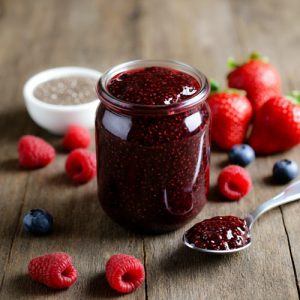
Are you looking for the next big thing to make your dessert bar or cafe menu stand out? As we get ready for Summer 2025, the demand for healthy, mindful desserts is soaring. Customers want treats that are not only delicious but also align with a wellness-focused lifestyle. What if you could offer a premium, house-made product that ticks all these boxes, is incredibly easy to make, and adds a creative flair to your menu? I’m talking about chia jam, and it’s a game-changer for Australian dessert businesses.
When I first heard about a jam made without pectin and with far less sugar. It seemed too good to be true. But after making my first batch of raspberry chia jam, I was completely won over. The fruit flavour was more intense, the texture was perfect, and the health benefits were undeniable. It’s not just a healthy alternative; it’s a superior product that can set your menu apart.
This post will guide you through everything you need to know:
- Why chia jam aligns with 2025’s healthy dessert trends.
- A scalable, easy-to-follow chia jam recipe.
- Creative ways to use chia jam on your menu.
- Tips for storage and flavour customisation.
Why Chia Jam is Your Secret Weapon for 2025’s Dessert Trends
Adding chia jam to your repertoire is a strategic move that taps directly into the mindful eating movement. It’s about offering an indulgence that feels good, tastes incredible, and meets the needs of modern, health-conscious consumers.
Here’s why it’s a must-have for your business:
- Embraces Healthy Dessert Trends: Chia jam is naturally lower in sugar and packed with nutrients. Chia seeds are a powerhouse of omega-3 fatty acids, fibre, and protein, making any dessert a healthier choice. This is a huge selling point for customers practising mindful eating.
- Incredibly Simple to Prepare: This is a genuine set-and-forget recipe. You can produce large, cost-effective batches with minimal active kitchen time, freeing up your team for more complex tasks.
- Catérs to Dietary Needs: It’s naturally gluten-free and easily made vegan by using a sweetener like maple syrup. This allows you to cater to a wider audience without having to overhaul your menu.
- Extremely Versatile: From a vibrant topping on pancakes to a flavourful swirl in cheesecakes, its applications are endless.
- Cost-Effective Quality: You can use frozen fruit, which is available year-round and often more affordable than fresh, to create a premium-tasting jam that enhances your profit margins.
The Ultimate Scalable Chia Jam Recipe
This recipe is your perfect starting point, designed for easy scaling to meet the demands of a busy dessert bar. I’m using a classic berry mix, but you can adapt this for almost any fruit you can imagine.
Yields: Approx. 2 cups (500ml)
Prep time: 5 minutes
Setting time: 2 hours, or preferably overnight
Ingredients
- 500g fresh or frozen berries (a mix of raspberries, strawberries, and blueberries works well)
- 3–4 tablespoons chia seeds
- 2–4 tablespoons maple syrup or honey (adjust based on fruit sweetness)
- 1 tablespoon fresh lemon juice
- A splash of water (optional, only if the mixture becomes too thick)
Step-by-Step Instructions
Step 1: Simmer the Fruit
Place the berries into a medium saucepan over medium heat. If you’re using larger fruits, such as strawberries, give them a quick chop first. Let them cook for about 5-10 minutes, stirring occasionally. The fruit will begin to break down and release its natural juices. For a smoother jam, you can mash the fruit with a potato masher or the back of a spoon.
Step 2: Add Flavour
Stir in your chosen sweetener (maple syrup for a vegan option) and the fresh lemon juice. The lemon juice is vital as it brightens the fruit’s flavour and acts as a natural preservative. Taste the mixture and adjust if necessary. Does it need more sweetness or a bit more tang?
Step 3: Mix in the Chia Seeds
Remove the saucepan from the heat and stir in the chia seeds, ensuring they are fully incorporated. Now the magic begins. The chia seeds will start to absorb the liquid from the fruit, thickening the mixture into a perfect jam-like consistency without any need for commercial pectin.
Step 4: Allow to Thicken
Let the mixture stand for 5–10 minutes, giving it an occasional stir. You’ll visibly notice it starting to thicken. If it appears too thick for your preference, add a small splash of water. If it seems too thin, you can add another teaspoon of chia seeds, but give it time to set first.
Step 5: Cool and Store
Transfer your freshly made chia jam into a clean, airtight container. Allow it to cool to room temperature before covering it and placing it in the refrigerator. It requires at least two hours to chill and fully set, but leaving it overnight yields the best texture. This jam will keep beautifully in the fridge for up to two weeks.
Innovative Ways to Use Chia Jam on Your Dessert Menu
Ready to get creative? Chia jam is a versatile ingredient that can elevate your existing offerings and inspire new favourites that align with mindful eating principles.
Reinvent Your Classics
- Pancakes & Waffles: A dollop of warm berry chia jam adds a fresh, vibrant element that cuts through the richness of a classic pancake stack.
- Scones with a Modern Twist: Offer a “Mindful High Tea” featuring your scones served with house-made chia jam and coconut cream. It’s a contemporary take on a timeless tradition.
- Cheesecake Swirl: Before baking, swirl raspberry or mango chia jam through your cheesecake batter. It not only adds a burst of flavour but also creates a beautiful visual effect.
Create New Signature Desserts
- Yoghurt & Granola Bowls: Layer Greek yoghurt, house-made granola, and a generous spoonful of chia jam for a visually stunning and nutritious breakfast or light dessert. This is a perfect example of a healthy dessert trend in action.
- Premium Ice Cream Topping: Move beyond generic syrups. A spoonful of your exclusive chia jam over premium vanilla bean ice cream is simple, elegant, and delicious.
- Takeaway Dessert Jars: Layer chia jam with cake sponge, custard, and fresh fruit in jars. They look fantastic in your display and are perfect for grab-and-go customers.
Experiment with Flavours
Don’t stop at berries! The possibilities are endless and allow you to create seasonal specials.
- Tropical: Mango and passionfruit chia jam for a summery vibe.
- Stone Fruit: Plum and star anise or peach and vanilla for the cooler months.
- Citrus: A vibrant blood orange chia jam for a touch of sophistication.
By making this easy, healthy jam a staple in your kitchen, you’re embracing the future of desserts. You’re showing customers that you are committed to quality, flavour, and mindful indulgence—a recipe for success in Australia’s dynamic food scene.
Want to know what else is hot on the dessert scene right now? Read our guide to the current dessert trends of 2025.
Explore our range of superfood toppings to help you get the most out of the trend for mindful desserts.
This article was reproduced on this site with permission from operafoods.com.au the “Wholesale Café Suppliers”.
See original article:- Try This Chia Jam Recipe For An Easy Menu Boost