
superfood toppings
now browsing by tag
House-Made Cacao Nib Crunch Butter for Your Cafe
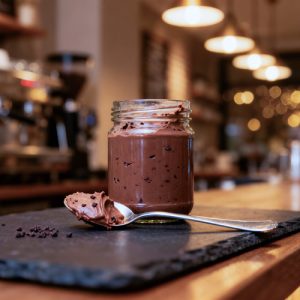
When Australian cafés look for that next signature item—something distinctive that sparks conversation and brings customers back—house-made spreads are increasingly where smart operators focus their attention. Following the success of our granola butter and chia jam recipes, there’s another spread you need to try: cacao nib crunch butter.
Cacao nib crunch butter is a deeply chocolatey spread flecked with raw cacao pieces that deliver bursts of intense chocolate flavour. The texture is creamy yet substantial, the taste sophisticated rather than candy-sweet.
This isn’t just another chocolate spread. It’s a premium product that showcases your commitment to quality ingredients and artisan technique, whilst answering the growing demand for healthier indulgences. Best of all? It takes less than 15 minutes to make, uses just five ingredients, and positions your café as a destination for creative, wellness-focused food.
Cacao Nib Crunch Butter Recipe
This recipe creates approximately 1.5 cups of cacao nib crunch butter, but you can scale up as needed.
Prep time: 10 minutes
Shelf life: 2 weeks refrigerated in an airtight container
Yield: Approximately 1.5 cups
Ingredients
- 1 cup (250ml) organic smooth almond butter — Use a premium variety for the best flavour and texture. Quality matters here.
- 3 tablespoons organic raw cacao nibs — These provide the signature crunch and intense chocolate notes. Don’t skimp.
- 2 tablespoons maple syrup (or honey, coconut blossom syrup, or agave) — Adds just enough sweetness to balance the bitter cacao without overwhelming it. Adjust to taste.
- 1 tablespoon organic cacao powder — Deepens the chocolate flavour and creates that signature dark colour.
- Pinch of sea salt flakes — Essential for bringing all the flavours into focus and enhancing the chocolate notes.
- Neutral oil such as sunflower oil (optional) — Add as needed if you want a slightly runnier spread or until you reach the desired consistency.
Step-by-Step Instructions
Step 1: Combine Base Ingredients
Add the organic almond butter, organic cacao powder, your chosen sweetener (maple syrup, honey, coconut blossom syrup, or agave), and sea salt flakes to a blender. Blend until smooth and well combined, creating a uniform chocolate-brown base with no visible streaks of cacao powder.
Step 2: Add the Cacao Nibs
Pulse the organic raw cacao nibs into the mixture using the blender’s pulse function. This keeps the cacao nibs crunchy and visible throughout the spread rather than fully blending them. Pulse until the nibs are distributed evenly but still retain their signature crunch. Each spoonful should deliver that satisfying texture and burst of intense chocolate flavour.
Step 3: Adjust Consistency
Check the consistency. The spread should be slightly more runny than peanut butter, with a spoonable yet spreadable texture. If it feels too thick, add 1 teaspoon of neutral oil such as sunflower oil at a time and blend briefly until you reach the desired consistency. If it’s too thin, the mixture will firm up slightly when refrigerated.
Step 4: Taste and Season
Taste the mixture at this point. The sweetness should complement rather than dominate the chocolate notes. If you prefer a sweeter spread, add an extra teaspoon of your chosen sweetener and blend briefly. Remember, you can always add more sweetness later, but you can’t take it away.
Step 5: Store Properly
Transfer your cacao nib crunch butter into a clean, airtight glass jar or container. It is ready for use immediately.
Sourcing Quality Ingredients
With a recipe this simple, quality is everything.
Organic Raw Cacao Nibs: Look for Australian suppliers offering organic raw cacao nibs. The “raw” designation matters because it means the cacao hasn’t been roasted at high temperatures, preserving maximum antioxidant content. The nibs should be broken into small pieces (3-5mm) for the best textural experience.
Organic Almond Butter: Choose smooth, organic almond butter made from just almonds. Avoid products with added oils, sugars, or stabilisers. Premium almond butter has a naturally creamy consistency and full-bodied flavour that cheaper alternatives can’t match.
Sweetener Options: Maple syrup delivers a distinctive caramel-like depth, whilst honey (non-vegan) offers floral notes, coconut blossom syrup brings subtle complexity, and agave provides a neutral sweetness without strong flavour. Choose based on your dietary requirements and desired flavour profile.
Organic Cacao Powder: Raw or minimally processed cacao powder delivers more intense chocolate flavour than standard cocoa powder. It also maintains higher levels of beneficial flavonoids.
Sea Salt Flakes: Use flaky sea salt rather than fine table salt. The larger crystals dissolve more slowly, providing occasional bursts of salinity that enhance the chocolate notes beautifully.
Why This Spread Works
What makes cacao nib crunch butter special is its versatility, combined with genuine quality. It works on breakfast dishes, desserts, smoothie bowls, and even ice cream. The premium positioning (house-made, organic ingredients, superfood credentials) justifies higher margins and commands customer loyalty.
More importantly, it’s practical. Five core ingredients, ten minutes of active time, a blender, and no complicated techniques. Yet the result feels premium and distinctive because the quality of ingredients shines through.
This is what customers remember: simple products made with care, where every element serves a purpose and delivers genuine flavour. The crunch from the cacao nibs, the richness of quality almond butter, the subtle complexity of your chosen sweetener and cacao powder balanced with sea salt. These aren’t added for show. They’re there because they taste remarkable together.
Explore our range of superfood toppings and ingredients, available to buy wholesale online now.
Try these recipes for quick and easy chia jam or gooey granola butter, for a trio of healthy housemade spreads.
This article was reproduced on this site with permission from operafoods.com.au the “Wholesale Café Suppliers”.
See original article:- House-Made Cacao Nib Crunch Butter for Your Cafe
10 Creative Granola Bowl Toppings to Elevate Your Café Menu
A great granola bowl is a symphony of textures and flavours. While the base of yoghurt and the crunch of granola are essential, the toppings are where the magic truly happens. This is your opportunity to surprise and delight your customers, turning a simple breakfast into a memorable culinary experience.
Imagine a bowl where warm, grilled peaches release their sweetness, their edges caramelised just slightly, kissed with cinnamon. Picture the moment your customer lifts the spoon—the contrast between cool, creamy yoghurt and the golden warmth of seasonal fruit. It’s these simple, thoughtful touches that transform a good dish into an unforgettable one, the kind of breakfast experience that becomes a signature they seek out.
Let’s explore ten creative granola bowl toppings that will help your café’s menu stand out. By combining seasonal, locally sourced ingredients with a carefully curated selection of storecupboard staples, you can create bowls that feel both special and sustainable.
Why Creative Toppings Matter
Before we dive into the ideas, let’s consider why investing in thoughtful toppings is a smart move for your business.
Visual Impact: People eat with their eyes first. Vibrant, interesting toppings transform your bowls into naturally photogenic offerings, generating organic social media reach from your customers.
Perceived Value: Unique toppings like house-made compotes or premium nuts elevate the dish, commanding a higher price point while expanding your profit margins.
Menu Differentiation: In a competitive market, a signature topping becomes what customers discuss—the distinctive element that defines your café’s identity.
Flavour Transformation: And let’s not forget flavour. It takes remarkably little—a pinch of cinnamon, a drizzle of quality honey, a single edible flower—to elevate a good breakfast into something truly memorable. These small gestures, layered together, create complexity and delight that customers genuinely seek out.
Ready to get inspired? Here are some ideas to get you started.
1. Seasonal Poached or Grilled Fruits
Move beyond basic fresh fruit and introduce a touch of warmth and sophistication. Lightly grilling or poaching fruit concentrates its sweetness and adds a delicious new texture.
How to do it: In winter, think poached pears with star anise and cinnamon. In summer, try grilled peaches or nectarines with a hint of vanilla. Simply slice the fruit, brush it with a little coconut oil or butter, and grill for a few minutes on each side until you get lovely char marks.
Why it works: Grilled or poached fruit celebrates peak seasonal ingredients from your local suppliers. This gourmet technique brings restaurant-quality refinement to breakfast, creating a layered eating experience that feels both special and indulgent.
2. House-Made Fruit Compote
A dollop of warm, chunky fruit compote adds a beautiful contrast to cool, creamy yoghurt. It’s also a fantastic way to use up fruit that’s slightly past its prime, reducing waste in your kitchen.
How to do it: Gently simmer berries, rhubarb, or apples with a touch of maple syrup and a squeeze of lemon juice until the fruit breaks down but still holds some shape. You can add spices like ginger or cardamom for extra warmth.
Why it works: A house-made compote reflects care in every element. It demonstrates your commitment to craft while allowing you to control the sugar content and develop unique flavour combinations unavailable elsewhere.
Pro tip: Looking to elevate your compote game? Learn how to make homemade chia jam—a superfood-packed alternative that brings both visual flair and nutritional depth to your granola bowls.
3. Toasted Coconut and Superfood Seeds
This isn’t about the fine, desiccated coconut. We’re talking about large, crunchy coconut flakes, lightly toasted until golden and fragrant. Combine them with a mix of superfood seeds for a major texture and nutrition upgrade.
How to do it: Look for organic coconut chips that deliver consistent quality and a satisfying crunch. Spread them on a baking tray and toast in the oven for a few minutes until fragrant. Mix with chia seeds, flax seeds, and hemp hearts for a nutritional powerhouse.
Why it works: This is where storecupboard ingredients truly shine. High-quality coconut chips and superfood seeds create textural complexity and deliver healthy fats, fibre, and protein in every bite. With a long shelf life and minimal prep requirements, they’re an efficient way to add perceived premium value while keeping daily operations streamlined.
Sourcing note: Invest in premium organic coconut chips and a curated selection of superfood seeds to ensure consistency across your menu.
4. Nut and Seed Butters with a Twist
A drizzle of peanut butter is a classic, but you can take it to the next level. Offer a variety of nut and seed butters, or create a signature “drizzle” by thinning them out slightly.
How to do it: Stock organic almond butter for its smooth, full-bodied texture—customers notice the quality difference. Cashew butter offers a milder sweetness, while sunflower seed butter provides a nut-free option. For a real treat, warm the nut butter slightly with a touch of coconut oil and maple syrup to create a pourable sauce.
Why it works: Multiple options cater to diverse dietary preferences while allowing customers to personalise their experience. The rich, creamy element adds indulgence and protein without complicating kitchen operations. Premium organic varieties communicate quality at every level.
Pro tip: Want to take your nut butter game further? Discover how to make homemade granola butter—a creamy, crunchy hybrid that transforms simple granola into a premium spread for your bowls and beyond.
5. Cacao Nibs and Dark Chocolate Shards
For chocolate lovers, this is a must. Raw cacao nibs offer a deep, unsweetened chocolate flavour and a fantastic crunch, while dark chocolate shards add a more indulgent, melting texture.
How to do it: Source organic cacao nibs for consistent quality and superior antioxidant content. Sprinkle them over the bowl for satisfying texture and a nutrient boost. To make chocolate shards, use a vegetable peeler on a bar of high-quality (70% or higher) dark chocolate, creating delicate ribbons.
Why it works: This combination delivers sophisticated complexity without excessive sweetness. Cacao nibs are packed with antioxidants, magnesium, and iron, offering a true superfood topping while the interplay between crunchy nibs and smooth chocolate adds depth to each spoonful. The mild bitterness of raw cacao balances the sweetness of yoghurt and fruit, elevating both flavour and experience.
6. Bee Pollen and Local Honey Drizzle
Bee pollen granules add a pop of golden colour and a unique, slightly floral flavour. When paired with a drizzle of honey from a local apiary, it creates a powerful connection to your commitment to local sourcing.
How to do it: Look for raw Australian bee pollen with proven local credentials—quality and origin matter when you’re building trust with customers. Sprinkle a small amount over the finished bowl (a little goes a long way). Finish with a generous drizzle of local honey.
Why it works: This pairing tells a story about your values. It becomes a conversation starter while showcasing your investment in local producers and sustainable practices. Bee pollen is nutrient-dense, bringing vitamins, antioxidants, and amino acids to the bowl, making it both beautiful and beneficial.
Pro tip: Bee pollen isn’t just for bowls. Explore creative ways to use bee pollen in smoothies to expand your menu offerings and maximise this versatile ingredient.
7. Savoury Granola Toppings
Who says granola has to be sweet? A savoury twist can be a surprising and delicious option for customers looking for something different.
How to do it: Think toasted pepitas and sunflower seeds, a sprinkle of flaky sea salt, a drizzle of high-quality olive oil, and even some fresh herbs like thyme or rosemary.
Why it works: It challenges expectations and welcomes customers with savoury preferences. The complexity pairs beautifully with plain, tart Greek yoghurt, broadening your menu reach.
Make your own: Creating savoury granola in-house is simpler than you think. Start with a high-quality organic five-grain base—rolled oats, barley, spelt, triticale, and quinoa deliver excellent texture and nutrition. Toss with olive oil, tamari, nutritional yeast, and savoury spices like garlic powder and smoked paprika. Keep an eye out as these spices are prone to burning and becoming bitter, but they should be fine at this lower temperature. Bake at 160°C (320°F) for 20–25 minutes, stirring halfway, until golden and crisp. This DIY approach gives you complete control over flavour profiles while creating a distinctive offering customers can’t find elsewhere.
8. Dehydrated Fruit Crisps
Dehydrated fruit provides an intense burst of flavour and a wonderfully crispy texture that contrasts perfectly with the other elements in the bowl. The real magic, however, lies in thin cross-sections of whole fruits like apples and pears—when dehydrated, these reveal stunning geometric patterns of seeds and flesh that catch the light beautifully.
How to do it: Use a mandoline or sharp knife to slice whole apples or pears horizontally (perpendicular to the core) to showcase the star-shaped seed pattern. Thinly slice other fruits like oranges and strawberries. Use a dehydrator (or a very low oven) to dry them out until crisp.
Why it works: These appear delicate and professional on the plate, with a long shelf life that extends your planning flexibility. The geometric beauty of whole fruit cross-sections becomes a visual signature—a sophisticated detail that elevates the entire dish. They’re an efficient, low-waste option that streamlines daily prep demands.
9. Freeze-Dried Berries and Fruit Powders
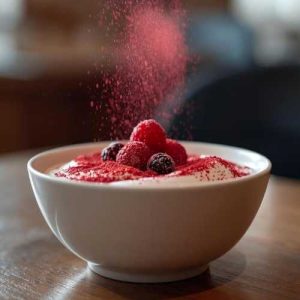
Freeze-dried raspberries, strawberries, or blueberries add an incredibly vibrant pop of colour and a concentrated, tangy flavour.
How to do it: Simply crumble freeze-dried berries over the top of the bowl as a final garnish.
Why it works: They offer intense berry flavour year-round while delivering restaurant-quality visual impact. This ingredient remains fresh throughout the year, creating ingredient flexibility for consistent menu execution.
Alternative approach: For a different aesthetic and application, consider using our uniquely dried fruit powders made from fruit purée. Unlike freeze-drying, this gentle process preserves raw nutritional value while creating a fine, vibrant powder. Dust it lightly over the bowl’s surface for a professional finish, or swirl it through yoghurt to create stunning colour gradients. These powders work particularly well when you want concentrated fruit flavour without textural contrast.
10. Edible Flowers
For the ultimate visual “wow” factor, nothing beats a few carefully placed edible flowers. They signal to your customer that they are about to eat something truly special.
How to do it: Source flowers like pansies, violas, or calendula petals from a reputable supplier who grows them for consumption. Use them sparingly as a final garnish.
Why it works: Edible flowers instantly project professionalism and elegance, generating shareworthy moments across social media. It’s an easy way to add visual confidence with minimal effort or cost.
Bringing It All Together
The key to success with creative granola bowl toppings is balance. You don’t need to use all these ideas at once! Pick two or three that complement each other. Think about combining:
- Something creamy: Nut butter or compote.
- Something crunchy: Toasted nuts, seeds, or cacao nibs.
- Something fresh: Seasonal fruit.
- Something special: Edible flowers or bee pollen.
By putting thoughtful creativity into your toppings, you’re not just selling breakfast; you’re selling a considered experience. You’re demonstrating that quality, flavour, and detail matter—and that commitment is what transforms first-time customers into devoted patrons.
Explore the full range of superfood toppings from Opera Foods, ready for you to order online today.
This article was reproduced on this site with permission from operafoods.com.au the “Wholesale Café Suppliers”.
See original article:- 10 Creative Granola Bowl Toppings to Elevate Your Café Menu
Bee Pollen Smoothies: Elevate Your Cafe Menu with Nature’s Golden Superfood
Read time: 7 minutes
Looking at those golden granules topping smoothie bowls across Australian cafes? That’s bee pollen, and if you’re not yet offering it to your health-conscious customers, you’re missing an opportunity to differentiate your menu with minimal effort.
For cafe owners and dessert bar operators, bee pollen delivers exactly what modern customers want: visual appeal, genuine nutritional benefits, and an ingredient story worth sharing. It’s the sort of addition that transforms a standard smoothie into something memorable without disrupting your workflow or requiring specialist training.
The superfood category continues growing in Australian hospitality, and bee pollen sits perfectly within this trend—easy to source, simple to use, and genuinely beneficial. Let’s explore how to incorporate it into your offerings with three distinctive smoothie recipes designed for commercial success.
Understanding Bee Pollen: What Makes It Special?
Bee pollen consists of tiny granules collected by honeybees as they visit flowers, mixed with nectar and enzymes to create a nutrient-dense food source. Beekeepers harvest small amounts from hives without disrupting bee colonies, which makes it a sustainable ingredient choice for cafes committed to ethical sourcing.
The nutritional profile explains its growing popularity. Bee pollen contains over 250 bioactive compounds, including all essential amino acids—making it a complete protein—along with B vitamins, vitamins C and E, minerals like iron and zinc, plus antioxidants such as flavonoids and phenolic acids. Research published in peer-reviewed journals confirms its anti-inflammatory properties, immune-supporting compounds, and potential benefits for energy metabolism.
The flavour profile is distinctive without being overpowering: mildly sweet with floral notes and a subtle honey-like quality. The texture adds a pleasant, delicate crunch that works beautifully as both a blended ingredient and a visual garnish.
Most importantly for cafes, it’s remarkably versatile. Bee pollen enhances tropical smoothies, complements green blends, and works equally well with dairy, plant-based milks, or yoghurt bases. The golden colour photographs beautifully for social media, which matters significantly in today’s visually-driven cafe culture.
Three Commercial Smoothie Recipes Using Bee Pollen
1. Tropical Sunrise Smoothie
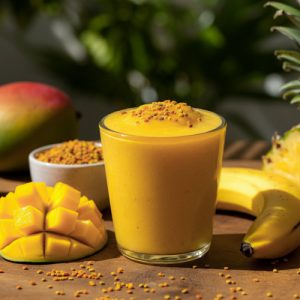
This vibrant blend capitalises on Australia’s enduring love for tropical flavours whilst showcasing bee pollen’s golden hue. It’s particularly suited to warmer months and appeals to customers seeking refreshing, energising options.
Ingredients (yields one 450ml serve):
- 150g frozen mango chunks
- 80g frozen pineapple chunks
- ½ medium banana (approximately 60g)
- 120ml coconut water (substitute regular filtered water if preferred)
- 2 tablespoons Greek yoghurt (or coconut yoghurt for vegan menus)
- 1 teaspoon bee pollen (for blending)
- Additional bee pollen for garnish
Method:
- Combine frozen fruit, banana, coconut water, and yoghurt in your commercial blender
- Add a teaspoon of bee pollen to the blend
- Process on high speed until completely smooth, adjusting liquid if needed for consistency
- Pour into a serving glass
- Garnish generously with bee pollen granules on the surface
Service notes: The yellow-on-yellow colour contrast creates a striking visual appeal. This smoothie works well with both clear and opaque serving cups, though for cafes with Instagram-focused customers, consider serving in a glass cup to showcase the colour gradient.
2. Green Energy Smoothie
Green smoothies remain consistently popular in Australian cafes, particularly with fitness-conscious customers and lunch crowds. This recipe balances earthy greens with natural sweetness whilst maintaining a velvety texture that keeps customers coming back.
Ingredients (yields one 450ml serve):
- 40g fresh baby spinach (approximately 2 large handfuls)
- ½ ripe avocado (approximately 60-70g)
- 1 Granny Smith apple, cored and roughly chopped
- 60g cucumber, chopped
- 250ml unsweetened almond milk (or filtered water for lighter texture)
- Juice of ½ lime (approximately 1 tablespoon)
- 1 teaspoon bee pollen (for blending)
- Additional bee pollen for garnish
- Optional: fresh mint leaves for additional garnish
Method:
- Place all ingredients except garnishes into a commercial blender
- Add a teaspoon of bee pollen
- Blend on high until completely smooth—the avocado creates a luxuriously creamy texture
- Pour into a glass or smoothie bowl
- Top with bee pollen granules, and mint if using
Service notes: The golden bee pollen creates a beautiful contrast against the vibrant green base. For bowl service, consider adding additional toppings like granola, coconut flakes, or sliced kiwi to create an “Instagrammable” presentation that encourages social sharing.
3. Berry Açai Protein Blend
This recipe taps into the ongoing açai bowl trend whilst adding protein for post-workout customers and afternoon energy seekers. The berry-bee pollen combination is both flavourful and photogenic, making it an excellent addition to your breakfast or recovery menu.
Ingredients (yields one 450ml serve):
- 100g frozen mixed berries (strawberries, blueberries, raspberries)
- 1 packet açai puree (typically 100g, frozen)
- ½ medium banana
- 150ml coconut milk (or oat milk for a creamier result)
- 1 tablespoon almond butter (or protein powder alternative)
- 1 teaspoon bee pollen (for blending)
- Additional bee pollen for garnish
Method:
- Combine frozen berries, açai puree, banana, milk, and almond butter in a blender
- Add a teaspoon of bee pollen
- Blend until thick and smooth—açai should create a soft-serve consistency
- Pour into the serving vessel
- Garnish with bee pollen and optional fresh berries
Service notes: This works particularly well as a thick smoothie bowl. The deep purple base makes the golden bee pollen pop visually, creating an eye-catching contrast that photographs beautifully. Consider offering as part of your breakfast or post-workout menu to capture health-conscious morning and afternoon crowds.
Sourcing and Storage Considerations
Getting your bee pollen supply right makes all the difference to both quality and profitability.
Quality sourcing: Source your bee pollen from reputable Australian suppliers. Consider the appeal of local Australian bee pollen to customers interested in supporting regional producers. The local angle often resonates strongly with cafe customers who value transparency and community connection.
Here at Opera Foods, our own brand Boost Nutrients Australian Bee Pollen is sourced from producers that keep their honey “wild and raw” by keeping their bee hives in the bush and more than 6 kilometres from any crops grown with pesticides.
Storage: Store bee pollen in airtight containers in a cool, dark location. Refrigeration extends shelf life to approximately 12 months whilst maintaining quality. Avoid moisture exposure, which can cause clumping and degradation. For busy service periods, keep a small amount in an easy-access container at your prep station whilst storing the bulk supply properly.
Portion control: One teaspoon per serve provides sufficient nutritional benefit and flavour whilst helping control costs. Bee pollen typically ranges from $40-80 per kilogram, depending on quality and supplier, so consistent portioning protects your margins.
Allergen considerations: Bee pollen may trigger reactions in customers with pollen allergies or bee sting sensitivities. Train staff to ask about allergies when customers order bee pollen items, and clearly mark it on menus with standard allergen warnings to meet duty of care requirements.
Don’t forget that, just like honey, bee pollen is not suitable for vegans.
Marketing Your Bee Pollen Smoothies
Having great recipes is only half the battle—you need to communicate their value effectively.
Menu Descriptions That Sell
Generic descriptions don’t capture attention or justify premium pricing. Instead of “Mango Smoothie,” create compelling names with benefit-focused descriptions like this:
“Tropical Sunrise Bowl – Energising mango, pineapple and coconut water blend supercharged with nutrient-rich bee pollen. Naturally rich in complete protein, B vitamins and antioxidants.”
Notice the structure: evocative name, key ingredients, followed by specific benefits. This format works across menu formats and helps staff communicate value to customers who ask, “What’s special about this one?”
Staff Training Essentials
Your team should understand bee pollen beyond “it’s healthy.” When you provide clear talking points, staff can confidently recommend these items and answer customer questions:
- “Bee pollen contains all essential amino acids, making it a complete protein source”
- “It adds a subtle, sweet floral taste with a delicate crunch”
- “The golden granules are collected sustainably by Australian beekeepers”
- “It’s packed with B vitamins, antioxidants, and minerals that support energy and immunity”
Make sure all staff have actually tasted your bee pollen smoothies. Personal experience enables authentic recommendations that convert curious customers into purchasers, whilst generic script-reading rarely does.
Visual Marketing
Bee pollen smoothies are inherently photogenic, which gives you a marketing advantage. The golden granules catch light beautifully and create textural interest that photographs exceptionally well for social media.
When posting on Instagram or TikTok, capture the pour with bee pollen garnish being added, show close-ups highlighting the golden granules against coloured bases, and include customer testimonials with health-conscious hashtags. If your bee pollen comes from a local producer, tag them—it builds valuable community connections and often gets you shared to their audience.
Positioning Strategy
Consider positioning your bee pollen smoothies within a “superfood series” on your menu. This creates a category that can expand over time with other nutrient-dense ingredients like maca, spirulina, or hemp seeds. It also helps customers immediately understand that these items represent premium offerings with genuine nutritional advantages rather than standard fruit smoothies.
Price accordingly—bee pollen smoothies can support a $1-2 premium over standard offerings due to ingredient costs and perceived value. Customers interested in superfoods generally accept higher price points when they understand the quality they’re receiving.
Getting Started This Week
Implementing bee pollen doesn’t require major investment or disruption to your operations. Here’s a practical starting point:
Order 500g of quality bee pollen initially to test market response. Have one staff member research the benefits and test the recipes. Create just one signature smoothie rather than overwhelming your menu with three new items immediately. Photograph the result professionally or capture compelling smartphone images in good natural light. Then, soft launch to your regular customers and gather feedback before full menu integration.
Within 2-3 weeks, you’ll understand whether bee pollen resonates with your customer base. Most cafes find that it becomes a steady seller, particularly amongst health-conscious demographics and weekend brunch crowds who have more time to explore menu innovations.
The beauty of bee pollen lies in its simplicity. You’re not adding complex preparation steps or expensive equipment requirements. You’re simply incorporating a genuinely beneficial ingredient that customers appreciate and enjoy—both for how it tastes and how it makes them feel. That authenticity matters in building repeat business and word-of-mouth recommendations.
Explore our range of superfood ingredients and toppings to help you tap into the ever-growing wellness trend.
This article was reproduced on this site with permission from operafoods.com.au the “Wholesale Café Suppliers”.
See original article:- Bee Pollen Smoothies: Make Your Menu Shine with Nature’s Golden Superfood