
Your Autumn Cafe Menu Transition Starts Now
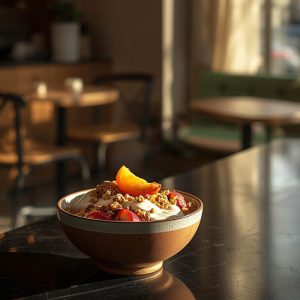
March is one of the trickiest months on the Australian cafe calendar, and the reason is balance. Getting your autumn cafe menu right means holding two things at once: summer regulars are still ordering cold brew and açaí bowls, but the mornings are cooling, and customers are starting to reach for something warmer. Move your menu too fast, and you frustrate loyal customers. Move too slowly, and you miss the seasonal moment entirely.
The art of it is knowing what to keep and what to introduce, and when. The transition does not have to be a switch. It can be a layering: keeping what is still working from summer, whilst introducing warming formats that feel timely and considered. That balance point, roughly 50/50 across March and into April, is where the seasonal opportunity sits.
Why the Transition Matters More Than the Season
The autumn cafe menu transition matters because the season itself gives you no clean starting gun. Autumn in Australia is genuinely unpredictable, particularly through March and early April. A menu that pivots entirely to warm, heavy formats too early risks alienating customers on the warmer days, and a menu that ignores autumn entirely misses the growing appetite for comfort and seasonal flavour that builds as the weeks progress.
The Case for Intentional Balance
The practical answer is deliberate balance: maintain your proven summer formats whilst giving customers clear, well-presented signals that something new and seasonal has arrived. When customers feel a cafe is responsive to the season, not behind it and not ahead of it, the result tends to be higher engagement, stronger return visits, and more opportunities to introduce premium seasonal items that earn their place on the menu.
What to Keep: Your Summer Non-Negotiables
Not everything on your summer menu needs to change. Some formats perform year-round because they meet needs that have nothing to do with temperature. Convenience, habit, health, and visual appeal all drive purchasing decisions regardless of what the thermometer says.
Cold Coffee Formats
Cold brew and iced coffee have become a year-round category for younger Australian customers, and pulling them from the menu in March is likely to cost more than it gains. Keep cold brew on, maintain your iced matcha if it is a strong seller, and let customers self-select. The demand will not disappear. It will simply become a smaller share of your overall drinks mix as autumn progresses.
Açaí and Smoothie Bowls
The açaí bowl has genuinely decoupled from seasonality for many consumers. It is a nutrition and convenience decision as much as a temperature one. Keep it on the menu through autumn, but consider making small seasonal adjustments to toppings rather than removing the format entirely. More on this below.
Light, Juice-Led Options
A portion of your customer base will continue to want lighter, fresher formats through the cooler months. Keep one or two smoothie options available, particularly if they are strong sellers in your morning trade, but reduce the complexity of the range rather than maintaining a full summer menu alongside the new autumn additions.
What to Introduce: Your Autumn Additions
The autumn additions do not need to be elaborate. What makes a seasonal introduction land well is clarity: a name that communicates the season, a flavour story that feels considered, and a presentation that signals something deliberate rather than something leftover from a trend cycle.
Warm Drinks
As mornings cool, warming drinks gain seasonal relevance quickly. The categories with the strongest commercial traction for Australian cafes in autumn 2026 share a common quality: they give customers something to come back for that they cannot easily replicate at home.
Cacao is establishing itself as a genuine premium alternative to coffee, richer and more complex than a standard hot chocolate, with a depth of flavour that rewards a good recipe. Autumn is its natural season. A spiced cacao drink with maca and cinnamon, or a chilli and orange variation that borrows from Mexican tradition, gives customers a reason to look beyond their usual order. The functional story around adaptogens and natural energy resonates strongly with health-conscious customers without needing to be laboured on the menu.
Spiced matcha lattes gain a new dimension in autumn with the addition of warming spices. Cardamom, ginger, and a pinch of black pepper transform a familiar drink into something that feels distinctly seasonal without requiring new equipment or significant prep time.
Beetroot is in peak season through autumn, and the deep crimson colour of a well-made beetroot latte is one of the most visually compelling drinks you can put in a clear glass. It photographs exceptionally well and gives your social content a strong seasonal visual that summer’s greens and purples cannot match.
Turmeric golden milk is an enduring performer in the functional warm drinks category. Familiar enough to order without explanation, distinctive enough to generate loyalty.
Warmer Bowl Formats
The transition from summer smoothie bowls to heartier granola and warmer bowl formats is autumn’s most natural menu shift. Customers who spent the summer eating chilled açaí bowls are ready for something with more texture and more substance, and the bowl format carries across beautifully.
Swap cold smoothie bases for yoghurt bases layered with premium granola, warming spices, and seasonal autumn fruit. Poached pears, figs, persimmons, and compotes made from quince or apple all come into their own from March onwards. These bowls take advantage of peak-season produce, photograph as well as any summer bowl, and carry a higher perceived value than a lighter chilled format.
One of the simplest transitions available is to keep your existing bowl format but offer a warm compote alongside fresh fruit. A spiced pear or fig compote, made in batches and gently reheated to order, adds a clear seasonal signal to a format your customers already trust.
Superfood topping upgrades are another low-effort way to signal the season. Bee pollen, chia seeds, cacao nibs, and vegetable powders add nutritional depth and visual interest to both summer holdovers and new autumn formats. A swirl of beetroot powder through a smoothie base or a scatter of cacao nibs over a warm granola bowl signals that your kitchen is engaged with the season without requiring any structural menu change.
How to Manage the Transition Operationally
Knowing what to keep and what to introduce is one thing. Managing it smoothly in a working kitchen is another.
Introduce Gradually, Not All at Once
Rather than launching several new items simultaneously, stagger the introductions through March. This gives your team time to build confidence with each new item, gives customers time to discover and return for favourites, and gives you useful commercial data about what is reordering, what is being photographed, and what is generating questions at the counter. One new warm drink and one new seasonal bowl per week is a manageable and effective pace.
Use a Specials Board Rather Than a Full Reprint
Introducing autumn additions as named seasonal specials gives you flexibility to test what lands before committing to a full menu update. It also creates a sense of occasion. A seasonal special feels more compelling than a permanent menu item to many customers, particularly when it is framed with a clear seasonal identity rather than presented as a routine addition.
Brief Your Team on the Story, Not Just the Recipe
The most powerful marketing for a new seasonal drink or bowl is a staff member who can describe it naturally and enthusiastically. A 60-second team briefing on what is in it, why it is seasonal, and what it tastes like is worth more than any menu description. Customers who feel they have been given a genuine recommendation are far more likely to order something new.
Keep the Pantry Versatile
The best autumn additions use ingredients that serve multiple purposes. A spiced pear compote works on a granola bowl, as a topping for overnight oats, and alongside a cacao drink. Beetroot powder appears in a warm latte, as a bowl swirl, and as a natural colourant in baked goods. Cacao is your warm drink base, your spiced chilli variation, and your bowl ingredient. Building from a small, versatile pantry keeps the transition manageable without limiting the seasonal range.
Reading Your Room: When to Shift the Balance
The right time to shift the balance of your autumn cafe menu is when your customers tell you to, not the calendar. The 50/50 framework is a guide for March and early April, not a permanent state. As autumn settles in through late April and into May, the balance naturally shifts toward the warmer formats, and you should let it.
The signals to watch are straightforward. If cold brew orders are tapering off, if customers are lingering longer over warm drinks, if the granola bowls are outpacing the smoothie bowls, these are indicators that your customer base is ready for the menu to lean more fully into autumn.
By May, most cafe menus will have moved to around 70 to 80 per cent warm formats, with cold brew and a single smoothie option remaining as year-round anchors. The cafes that manage this transition well tend to do it not through a single dramatic menu change but through a series of small, confident seasonal additions that build appetite gradually. By the time winter arrives, customers are already invested in the warming menu rather than mourning the summer one.
Not sure which ingredients to stock for the seasonal shift? Browse the Opera Foods range of superfood pantry ingredients — from cacao and maca to fruit and vegetable powders, seeds, and protein powders — and find what works for your autumn menu.
This article was reproduced on this site with permission from operafoods.com.au the “Wholesale Café Suppliers”.
See original article:- Your Autumn Cafe Menu Transition Starts Now
Comments are Closed