
Archives
now browsing by author
What Does Protein Powder Do?

Protein powders are a nutritional supplement, once only favoured by bodybuilders and gym goers. But what does protein powder actually do? And why do so many people now include it as part of their daily regime?
Types of protein powder
Traditionally, protein powders were made from animal sources. They were made either from components of cows milk (whey or casein) or from egg white derivatives. Both of which are excellent sources of complete protein. Before they were taken up by the bodybuilding community, they would have been (and still are) widely used in hospital and healthcare settings as a nutritional supplement for those unable to eat, or that needed an extra boost.
Later arrivals on the scene were the plant-based protein powders. Also sources of complete protein, these are derived from plants such as peas, or hemp.
Why take protein powder?
Why take protein powder? Surely we can get protein from the food we eat?
For a start, protein powder can be pretty handy. It has a long shelf life, mixes into an easy to drink shake, and is fairly portable. It can also be added to cooking and baking for a bit of a protein boost.
But why would we need a protein boost in the first place?
Protein in the body
Most of us are well aware that the body needs protein. A vital component of bone, muscle, and skin, protein is crucial to all our life processes at the cellular level. Without the amino acids that are the building blocks of protein we can barely survive; let alone thrive.
There are 9 amino acids that we need to intake from food. Foods that contain all nine amino acids are known as complete proteins. Most animal sources of protein are complete, and we once believed that without these foods that our diet was somehow lacking. We now understand that we can obtain our full quota of amino acids from a range of food sources; including plants.
How much protein do we need?
Roughly speaking, between 10 to 35% of your calories should come from protein, depending on your level of activity. For the average diet of 2000kcal a day this is somewhere between 50 and 175g protein. The average, fairly sedentary adult generally aims for about 50g; a goal that is easily achievable on a diet that includes animal proteins. A bit of milk, an egg, plus a portion of fish or meat and you are pretty much there. On a plant based diet, still aiming for 50g, that looks like a cup of lentils, a cup of quinoa and several large handfuls of nuts. Also fairly doable.
But what if you need to aim higher? Long story short, it is a lot easier to maximise your protein intake with an animal based diet than it is with a plant based one. And what about those all essential amino acids? You need a really varied range of plant proteins to ensure an adequate intake.
In all likelihood, the surge in popularity of protein powders has come with increased interest (and uptake) of a plant-based diet.
Protein in plants
All plants contain protein in varying amounts, even the ones we don’t think of as protein foods. Yet only a handful are sources of complete protein; most are missing an amino acid or two. So not only is the challenge to get enough grams of protein, but also to get an adequate supply of all nine amino acids.
For many people this is not an issue an at all, and with a wide range of plant foods they cover these needs easily. But not everyone.
Why you might need to boost your protein on a plant based diet
- For active gym goers, to aid recovery and repair muscle fibre
- To replenish energy levels on the go
- To help stave off hunger and promote weight loss
- When you aren’t eating proper meals
Plant based protein powder
Plant based protein powder offers an efficient form of protein delivery. A single scoop offers about 25g of protein, with all nine essential amino acids. Blended up into a shake, with water or a non-dairy milk, it is possibly the simplest way to meet your protein needs.
The two most common types are made from isolated pea protein or hemp seed. Both are sources of complete protein, yet hemp has a whole host of extra nutritional benefits to offer.
Take a look at our hugely popular organic hemp protein powder.
Superfood powders are a convenient way to harness the exceptional nutritional power of superfoods. Discover just how superfood powders can help you to reach your nutritional goals, or if you need a nutrition primer our in depth article on superfoods has got you covered.
Take a look at our entire range of superfoods, available to buy online in bulk now, or head straight to our protein powders.
This article was reproduced on this site with permission from operafoods.com.au the “Superfoods Wholesales”.
See original article:- What Does Protein Powder Do?
Our top 10 superfoods list for your pantry

There are certain foods that top the superfoods list time and time again. And, whilst there is officially no such thing as a superfood, it cannot be denied that some foods certainly hold more weight than others in the nutrient density department.
A varied diet including plenty of fresh fruits and vegetables is the best way to maintain nutritional health, yet this can often be more an ideal than an actuality. Luckily many of the top superfoods already have dry goods status, and many others are available in powder form for easy and economical pantry storage.
Here’s our top 10 superfoods list for your pantry (in no particular order).
Acai
Antioxidant boosting acai has long been known as a beneficial beauty food. Chock full of anti-ageing vitamins and minerals, particularly Vitamin E, Beta Carotene, calcium and phosphorus, acai appears on most of the superfoods lists for skin. One of the only fruits to offer essential fatty acids, the sugars in acai are absorbed more slowly than with most fruits.
Acai is rich in antioxidant anthocyanins, known as the the beauty antioxidant for their power to boost flow to all the organs (including the skin).
Cacao
One of the best dietary sources of magnesium, cacao is rich in the minerals iron, zinc, and sulphur. One of the richest sources of antioxidants, this fibre rich seed is full of heart healthy flavonoids. Boasting an impressive array of amino acids, phytochemicals, and small amounts of caffeine, cacao is also the ideal energy booster.
Maca
One of the most powerful foods in nature, maca contains almost 60 phytochemicals alone. A good source of amino acids, fatty acids, and fibre, it is particularly rich in minerals potassium, calcium and phosphorus. Maca is an excellent source of plant sterols that can help to lower cholesterol levels.
But the true magic of maca lies in its power as an adaptogen. These rare properties allow maca to support adrenal function, restore hormonal balance, and regulate and reduce stress. A source of non-stimulating energy, we think maca really deserves its place on the superfoods list.
Berries
Not to be underestimated, berries are the most nutrient dense of all the fruits. Full of vitamins, minerals and antioxidants, each variety of berry has its own nutritional benefits. Raspberries are particularly rich in Vitamin A, calcium, magnesium and iron. Blueberries are a good source of potassium, whilst strawberries are rich in manganese. All of them are great sources of Vitamin C.
Try our Australian mixed berry fruit powder
Flax seed
Flaxseed, also known as linseed, is one of the best plant sources of omega 3 fatty acids. Good for reducing inflammation and an excellent source of fibre, the mucus forming properties of linseed help to control insulin, stabilise blood sugar and reduce appetite. Linseeds contain lignans, a particular form of plant estrogens that make them particularly important for women’s health as they can help to maintain bone health and protect against certain female cancers. An excellent source of Vitamin D and E.
Try our organic Australian flaxseed
Goji
Goji berries have been a longevity food in Chinese medicine for thousands of years. A complete source of protein, with all the essential amino acids, they are an excellent source of fibre. Rich in antioxidants, beta carotene, and Vitamin C, goji berries are also a good source of iron. Like maca, goji berries are also adaptogens; a rare nutritional benefit.
Try our goji berry fruit powder
Leafy greens
Despite their humble status, dark leafy greens are some of the best examples of nutrient density. Full of antioxidant benefits, greens are rich with the minerals calcium and iron, as well as vitamins A, C, and E. They also boast high levels of life giving chlorophyll.
Try our organic kale vegetable powder
Hemp seed
One of the first plants to be cultivated by man, and still one of the most eco-friendly crops, hemp offers a complete source of protein, providing all the essential amino acids. One of the best plant sources of fatty acids, hemp is a rich source of GLA (gamma linoleic acid). A type of omega-6, GLA has shown to reduce inflammation and lower cholesterol. Hemp is also rich in the minerals magnesium, iron, zinc and potassium, as well as a good source of fibre and Vitamin E.
Try our hulled organic hemp seeds
Oats
Oats, despite not always being suitable for the gluten sensitive, have some amazing nutritional properties. Rich in the soluble fibre beta-glucan, they are one of the best foods for lowering LDL cholesterol. Soluble fibre also helps to prevent insulin spikes. Oats are also a rich source of magnesium that can help to regulate insulin levels.
Oats also contain a natural sedative that can help to treat anxiety, depression and insomnia.
Try our jumbo oats organic 5 grain porridge mix
Green Tea
Green tea contains many beneficial plant compounds. Full of antioxidant polyphenols, it is a particularly potent source of a cathechin called EGCG; a powerful anti inflammatory that can help fight diabetes, cardiovascular disease and even help to slow cognitive decline. The high chlorophyll content of green tea is both anti-ageing and detoxifying, whilst the natural energy boosting properties of caffeine are tempered by relaxing l-theanine for a more sustainable buzz.
Try our supreme organic matcha powder
Read our in depth primer on nutrition and superfoods. Or head straight over to explore our range of superfoods.
This article was reproduced on this site with permission from operafoods.com.au the “Superfoods Warehouse”.
See original article:- Our top 10 superfoods list for your pantry
A Guide to Superfood Powders
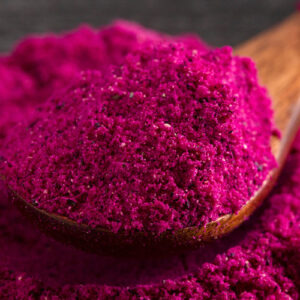
Superfood powders are an easy way to enhance the nutrient power of your diet and their scope goes way beyond just super greens. Fruit powder, vegetable powder, protein powder (and yes, greens powder) can all help you maximise your intake of superfood nutrients. In this article we explore the subject of superfood powders and look at some of these in more detail.
Before we begin, why not read our article on superfoods and nutrition first? It is a great nutrition primer and introduction to superfoods.
What is superfood powder?
Superfood powders are nutritionally dense foods, most often fruits and vegetables, that have been dehydrated and ground to a fine powder. Convenient, easy to use, and with a longer shelf life than fresh produce, they are an easy way to increase your nutrient intake.
Boost Nutrients superfood powders are made from high quality fruits, roots, leaves and seeds that, where possible, are organic and sourced from within Australia. We support minimal intervention, pesticide-free farming and try to reflect this in our products as much as we can.
Some superfood powders are blended, and are often targeted at specific concerns. They contain a range of different ingredients and provide an overall spectrum of nutrients. Some may ‘boost vitality’ whilst others are designed to ‘strengthen your immunity’. They may, not always, contain smaller amounts of the most expensive ingredients.
Here at Boost Nutrients we make pure superfood powders, made of a single ingredient, that gives you ultimate control. Each powder, fruit or vegetable, is a superfood in its own right, with its own unique nutrient profile. They range from the exotic, like maca root powder, to the down right boring, like kale. Sorry, kale.
How are superfood powders made?
Our powders are not freeze dried. Despite what a superficial search on the internet may tell you, current understanding actually shows that there are better ways to preserve nutrients in dehydrated fruit and vegetables. We make our superfood powders with a totally different technology, that retains a higher percentage of nutrients, flavour, aroma, and colour. The resulting powders form a crystalline structure that is also more easily dissolved for maximum efficiency. This process is called low temperature continuous evaporation. A low heat method of vacuum drying, it is considered to be ‘the ideal method for drying oxygen sensitive materials, such as fruits and vegetables’.
Is superfood powder good for you?
Superfood powders are a great addition to you diet, especially if it is lacking in fresh produce such as fruit and vegetables.
As we have seen, fresh produce deteriorates rapidly whilst powdered fruits and vegetables are processed as close to harvesting as possible. They are already ahead of the game when it comes to retention of vital nutrients.
The nutrient profile of a single ingredient powder is the same as the fruit from which it is made. As with whole produce, the best way to experience a wide range of benefits is to broaden your food choices and incorporate as much variety as possible in your daily diet. Mix it up!
One thing most superfood powders have in common is high levels of antioxidants.
Do superfood powders contain fibre?
The fibre present in fruits and vegetables is still there in powder form as the only thing that has been removed is the water. It has been broken down, so you do lose the mechanical benefits of fibre on digestion, but other than that the fibre remains.
Soluble fibre is often a contributor to superfood status, so produce that is high in insoluble fibre (such as the pectin in raspberries) will retain all of its nutritional benefit.
How to use superfood powder
Can you mix superfood powders?
Our pure, single ingredient, superfood powders are easy to mix together to come up with fresh tasting ideas or specific combinations of nutrients. Just be sure to stay within the individual dehydration guidelines for each specific powder. It is pretty impossible to overdose on fruits and vegetables but a little goes a long way.
How to make superfood powder taste good.
Many superfood powders taste great already. Fruits such as mango, or berries, taste pretty much the same as they do when fresh. Vegetable smoothies, especially green smoothies, can take a bit of getting used to even when made using fresh produce. Using a powder doesn’t change that, so you may need to get a little creative.
How much superfood powder in a smoothie?
It all depends whether you want to simply boost a smoothie that has been made with fresh produce, or reconstitute a larger amount of powder in order to substitute the fresh produce. Amounts vary depending on the powder in question so it is best to go by the individual guidelines.
Does superfood powder expire?
As a food product, all superfood powders will have a best before date. Whilst they don’t expire exactly, they will slowly degrade over time and their nutrient content will diminish, especially once opened. That said, they will be good for several months at least, just take care to reseal it well once open as the powders will absorb moisture and be exposed to oxidation.
On the flip side, fresh produce begins to lose its nutrient value the moment it is harvested. Even before it begins to break down and become inedible it has lost a good percentage of its vitamin and mineral content. A banana in the fruit bowl will probably last a week, max.
Fruit powders
The difference between fruit powders and fresh fruit
Although fruit powders retain many of their nutrients they have a very different composition to fresh fruit. Nothing can replace the sensation of biting into a ripe peach and juice dripping down your chin, or the scent of the seasons first strawberries. There are many reasons for enjoying food, and not all of them are nutritional.
But fruit powders do have certain advantages. They have a longer shelf life, for more convenience and less waste. They are also easy to prepare and exceptionally versatile.
What can you do with fruit powder?
- sprinkle on porridge
- mix into milk or yoghurt
- add to your homemade granola mix
- stir into your baking (including frosting)
- stir into ice cream
- mix into spice blends and dry rubs
- add to your herbal tea blends
- stir into salad dressing (mango is great)
and of course…smoothies!
Explore our range of fruit powders
Vegetable powders
Are powdered vegetables as good as fresh?
In the same way that there needs to be a place in the diet for whole fresh fruit, fresh vegetables should be making up a huge percentage of your daily meals. Yet, other than their shelf life and versatility, vegetable powders (especially greens) do have one huge advantage; many, many people quite literally will not eat their greens. Most people enjoy fruit as it is sweet, but there a lot of people that miss out on the nutrients that vegetables offer. It is all too easy to tell people to focus their meals around vegetables, but what if they don’t? Given a choice between beetroot powder baked into a chocolate muffin or no beetroot at all, we know which we would choose.
How to use vegetable powder
- sprinkle over popcorn
- add to soups, stews, curries and sauces
- add to salad dressing
- mix into your muffin and bread mixes (even cake)
- stir into dips
- create savoury spice blends
- stir into rice
- add to scrambled eggs and omelettes
Explore our range of vegetable powders
Greens powders
Greens powders come under the same category as vegetable powders but they deserve a special mention. Greens are the holy grail of the vegetable world, and quite often the one group of produce that we could all do with more of. Eating a bowl of berries is easy, or even a plate of carrot sticks, but working your way through a big plate of greens is another story entirely.
Many commercial greens powders are blends of highly nutritious green foods. Seaweed and algae are top of the ingredients list. A little goes a very long way, which is a good job as they generally taste vile.
Boost Nutrients greens powders are single ingredient powders made from good old Australian-grown greens. You can use them anywhere in your cooking that you might add a handful of greens, and in foods that maybe you wouldn’t. Throw them in a curry sauce, or a soup, or to make your fresh pasta dough green.
Don’t forget, matcha is a powerful green superfood powder too!
Protein powders
Protein powders are slightly different from superfood powders in that they are designed to provide little other than additional protein. Some foods are considered superfoods because of their levels of protein, or the amino acids they provide, but these are more likely to be part of a broad spectrum superfood powder than a protein powder.
However, protein powders are a valuable addition to the nutritional supplement arsenal. We do make protein powders (both dairy and vegan) but will not go into further detail in this particular article.
Why not explore our range of superfoods, and even save by buying in bulk today.
This article was reproduced on this site with permission from operafoods.com.au the “Superfoods powders suppliers”.
See original article:- A Guide to Superfood Powders
What are superfoods?
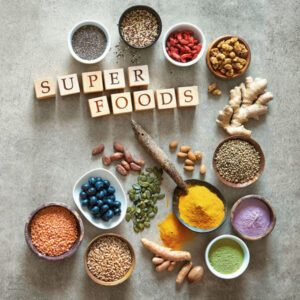
Whilst there is no standard definition, it is generally accepted that superfoods are foods that are particularly nutrient dense. But what are superfoods, exactly? And which foods qualify?
In this introduction to superfoods we put things into perspective with some nutrition basics before taking a closer look at the foods that make the superfood list.
TABLE OF CONTENTS
What is nutrient density?
All about nutrients
What are macronutrients?
Why are amino acids important?
What are fatty acids?
Slow release carbohydrates
Why do we need fibre?
What are micronutrients?
What are vitamins?
Minerals in food
What are phytochemicals?
What are antioxidants?
Can nutrient density be measured?
The Superfoods List
Superfood vegetables
Superfood fruits
Superfood grains
Super seeds
Superfood powder
So, what is nutrient density?
Nutrient density is a term used to describe the amount of nutritional value a food can offer in relation to its calorific load. In other words, nutrient dense foods offer maximum nutrition for minimal calories. Berries are a good example. The flip side is the concept of empty calories; foods that offer little nutritional value beyond the calories they provide. A spoonful of table sugar for example.
The importance of nutrient dense foods
Nutrient dense foods are important for a number of reasons. Food may be our source of vital fuel, as any carbo-loading athlete will tell you, but man cannot live on mere calories alone. Quite the opposite in fact. We quite literally are what we eat, and the human body requires a wide range of nutrients to thrive.
Anyone who has ever struggled with their weight will tell you just how easy it is to consume too many calories, and the amount of food needed each day to maintain a healthy weight is surprisingly small. We don’t believe that anything should be off limits (food is, after all, so much more than just nutrition) but it does make sense to include in your diet many nutrient dense foods. Think of it like paying your insurance premiums.
Can nutrient density be measured?
The ‘aggregate nutrient density index’, or ANDI for short, ranks foods based on their nutrient density ratio, on a scale of 1 (least nutrient dense) to 1000 (most nutrient dense). It is based on a simple mathematical equation based on nutrient value divided by calories.
Se we can see, at a glance, that kale receives a top score of 1000. And yes, kale is indeed considered to be one of the most nutrient packed foods on the planet. We can also see that white bread receives a score of 9, and cola receives a score of 1. Also pretty fair.
Yet the ANDI system is a measure of micronutrient density. It fails to take into account the nutritional components of the macronutrients. This means that although it can give us insight into foods that offer the most micronutrients per calorie, it fails to recognise the inherent qualities of some foods that we might still class as a ‘superfood’.
Defining superfoods
It is true that foods from the top end of the list, which is dominated by vegetables and a few berries, come packed with more micronutrients and plant nutrients than those further down. Yet olive oil, packed with nutritional benefits including plant compounds, is considered only one point better than the empty calories of white bread. Avocados, almonds, bananas, and walnuts all receive a comparatively low score, yet each of these foods has a slew of nutritional benefits to offer.
This is why it is so important to eat a wide range of foods AND equally important to put calories into the context of their vital macronutrients.
Maybe a better description of superfoods would be ‘foods that are especially rich in nutrients that have been shown to have positive effects on human health’.
Also, perhaps now would be a good time for a nutrition primer. Understanding the food that you eat, and how it works in the body, will allow you to make your own decisions and reach your own conclusions about your personal nutrition choices and how you might define ‘superfoods’.
All about nutrients
Nutrient. Now, that CAN be defined. A nutrient is “a substance that provides nourishment essential for the maintenance of life and for growth”. Almost all of our nourishment comes from food. Essential nutrients are those that the body cannot make itself. We can, for example, synthesize Vitamin D from sunlight but we need food and water to provide us with the rest.
There are six major nutrients; carbohydrates, fats, proteins, vitamins and minerals, plus water. With the exception of water, which belongs in a class of its own, these are further grouped into macronutrients and micronutrients. Both of these are vital to the concept of nutrient density and superfoods, although superfoods do, by definition, involve a high volume of micronutrients. Don’t dismiss the importance of the macronutrients though. Not only do they provide the energy we require to live, in the form of calories, but they have some pretty important qualities of their own too.
What are macronutrients?
Macronutrients provide, amongst other things, fuel for the body. They give us energy, measured as calories, that the body uses (or not) as required. They are known as the ‘macros’ because we need them in larger amounts. The macronutrients are protein, fat, and carbohydrate.
All foods are made up of a combination of the three, in varying ratios, but we classify them according to what they provide the most of. Grains, for example, contain a little fat and a little protein yet are classified as carbohydrate foods as this is what they are primarily composed of. It is fairly obvious that meat is made of protein and fat, but without the small amount of carbohydrate in its composition it would never brown on the outside during cooking.
Essentially, carbohydrates provide the major fuel source for the body to burn. Protein and fat also provide fuel, which the body can burn, but they play an equally vital role in growth and repair. Although we measure them in terms of the calories they provide, the macronutrients each have their own superpower.
Let’s begin with protein.
Protein is made up of chains of molecules called amino acids. When we eat protein, our body breaks down the chains into their component amino acids.
Why are amino acids important?
Our body uses these amino acids to build proteins of its own. Just as they make up the proteins we eat, they also make up the proteins that the human body is made of. Skin, hair, tissues, and even cells (right down to our DNA) are made of proteins, that are made of amino acids.
There are 20 amino acids essential to our health. Nine of these are classed as essential. As the body cannot make these itself, we must get them from food.
What are fatty acids?
Fatty acids are the building blocks of fats, which are referred to chemically as lipids. They join together in chain like structures, which the body breaks down during digestion. The composition of these chains determines whether the fats are saturated, mono-unsaturated, or poly-unsaturated. As we saw with the macros, most foods that we class as fats or oils are composed of all three types of fatty acids, with one type dominant. Saturated fats are by their very nature more solid than the more fluid poly/mono fats that we tend to identify as oils.
Essential fatty acids
As with amino acids, the body can make some of the fatty acids it needs but those that it cannot manufacture must come from the diet. These are the groups known as omega-3 and omega-6.
Both groups are polyunsaturated fats, and within these groups are hundreds of different fatty acids. The ratio between these two groups is important, yet we often consume way too much omega-6 in comparison to omega-3. This is widely considered to contribute to inflammation.
Omega-3 is a component of our cell membranes and plays a vital part in heart and brain health, as well as metabolism. The aim should be to increase omega-3 intake, rather than decrease omega-6.
That is not to say that omega-6 fatty acids are not beneficial. GLA (gamma-linoleic acid) for example may have anti-inflammatory properties, whilst CLA (conjugated linoleic acid) is thought to play a role in reducing body fat. Don’t forget though that the focus should be on the diet as a whole, not on individual nutrients.
Beneficial fatty acids
Another group of fatty acids is omega-9. Although the body can make omega-9 fats itself, it can be beneficial to get it from the diet too.
Slow release carbohydrates
Carbohydrate is the body’s main source of fuel. Whilst we can metabolise fats and proteins for energy, the most efficient route is the breakdown of carbohydrate to glucose. Put very simply, the closer the foods are to glucose, the quicker the glucose hits the bloodstream. Simple carbohydrates, such as table sugar, are really easy to break down into glucose. Complex carbohydrates are much harder to break down, and as such take longer.
Carbohydrates are sugar, starch and fibre. Of these, sugar is the most simple. Starches are more complex and fibre is largely indigestible. Complex carbohydrates are usually whole plant-based foods that contain starch and fibre together. Wholegrains, for example, or an apple.
Fibre is found in the cell walls of plants and is generally not metabolised by the body. Some fibre, known as soluble fibre, is partly digestible. Oats are a good source of soluble fibre, as are apples.
Why do we need fibre?
Indigestible fibre (aka insoluble fibre), what we used to call ‘roughage’, is broken down by chewing. Other than that, it passes through the digestive system intact. Insoluble fibre aids ‘peristalsis’, which is the muscle contraction of the bowel that moves food through the system. It is essential for a healthy gut. Fibre also slows down the digestion so that glucose is taken up more slowly, and steadily. Hence, slow release carbohydrates. This is essential for improved blood sugar control.
Soluble fibre dissolves in water. It creates a gel that also slows down digestion. As well as helping to regulate blood sugar levels, soluble fibre is thought to help reduce cholesterol.
What are micronutrients?
The whole concept of superfoods revolves around micronutrients. But for now, lets examine what these mean in terms of nutrition, and our health and wellbeing.
Micronutrients are the powerful substances that we need in much smaller amounts than the macronutrients, yet are equally essential to life. The body uses micronutrients in the cellular processes that are essential to proper growth and development. It would be impossible for the body to manufacture compounds such as hormones, enzymes, and neurotransmitters, without the essential micronutrients.
The essential micronutrients are grouped into vitamins, and minerals. Each plays a specific role in the maintenance of health. Deficiency will display as ill health and disease, not all of which will display obvious symptoms.
A balanced healthy diet should provide all the vitamins and minerals we need. However, modern food production, along with our increasingly toxic environment, has led to food sources with depleted nutrients as well as increased intake requirements. Superfoods are a great way to boost intake and ensure optimum levels of key nutrients.
What are vitamins?
Vitamins are organic compounds produced by plants and animals. There are 13 vitamins essential to human health and we get all of them from food, although the body can manufacture some of them to a certain extent.
The fat soluble vitamins A,D,E, K are stored in fatty tissues within the body. We need dietary fat in able to absorb them via our intestines.
The water soluble vitamins C and B are not stored in the body and leave via the urine. A regular supply of water soluble vitamins is required.
Minerals in food
Minerals are inorganic elements that come from the land and water on which plants and animals grow.
The macro-minerals are those we need most of, whilst the trace minerals are those we need in smaller amounts.
What are phytochemicals?
Phytochemicals are the bio-active compounds found in plants that are not essential nutrients for humans yet are increasingly shown to be beneficial to our health.
Each plant can contain hundreds of different phytochemicals, also known as phytonutrients or plant micronutrients, in varying combinations. These powerful plant compounds, of which we have identified well over a thousand, give colour and flavour to the vast range of fruits and vegetables that we eat as food. Which is why the soundest nutritional advice is to eat as broad a range of foods as possible. Plants, especially.
The importance of phytonutrients
Phytonutrients can support our health in ways we are only just beginning to understand. Indigenous peoples have understood the connection between plants and health for thousands of years, but technology has given us greater means to analyse, catalogue, and classify our findings.
Understanding phytonutrients goes a long way to explaining the importance of 5-a-day, although we now understand that 5-a-day is more of a bare minimum than a goal to reach for. This just serves to underline the importance of plants in the diet, with a very simple message. Eat as many fruit and vegetables as you can.
What are antioxidants?
Antioxidant compounds are found in varying levels in almost all plants. The term antioxidant means ‘against oxidation’ and describes a particular function of a nutrient, not a specific group of nutrients. Vitamins, minerals, and phytonutrients, can all have antioxidant properties that fight against harmful oxidation in the body. The antioxidant powers in a particular plant may come from one antioxidant compound, or they may come from many.
The ORAC scale
Levels of antioxidants in foods are measured in ORAC units, which stands for ‘oxygen radical absorbance capacity’. Current guidance suggests a daily intake of at least 5,000 ORAC units daily.
The Superfoods List
It may come as no surprise that most foods designated the title of superfoods are plants. We may have stressed the importance of all nutrients, and the belief that a healthy diet is a balanced diet, yet the power of plant nutrients cannot be denied. Plants truly are natures medicine.
Superfood vegetables
When it comes to nutrient density, kale and spinach are right at the top of the scale. Green leafy veg are considered to be some of our healthiest foods and are absolutely packed full of phytonutrients. Exceptional sources of chlorophyll, the green life force of plants, both spinach and kale help strengthen bones, fight inflammation and support heart health.
But it isn’t just about green vegetables. The advice to ‘eat a rainbow’ is more than just a marketing slogan. Beneficial phytochemicals are often the very same compounds that give plants their colour. The deeper the colour, the higher the concentration of these pigments.
Carrots, with their deep orange colour, are packed with compounds that support eye health and good vision. Carrots are one of the best sources of beta carotenes. The precursor to vitamin A, these pigments are also powerful antioxidants.
It is hard to imagine a more deeply coloured vegetable than beetroot. The intense pink colour of red beetroot is due to a unique group of antioxidants known as betacyanins. They support liver health, improve circulation, and purify the blood. Beetroot is also thought to strengthen the heart and help with blood sugar control.
Superfood fruits
Berries are widely considered to be the most potent of all fruits. In terms of antioxidants alone, 100g of raspberries provides the recommended daily intake as measured by the ORAC scale. They also contain compounds that are thought to stimulate the metabolism and regulate blood sugar levels. Strawberries are also full of antioxidants, and have a specific compound known as ellagic acid that is thought to have anti-cancer properties. Blueberries also exhibit anti-cancer properties, and some studies have shown promising results in the field of memory and the prevention of cognitive decline. Go, berries!
There are some berries that we are more familiar with in their dried form. Goji berries are a balanced source of protein, fat, and carbohydrate with a huge complement of vitamins and minerals. Acai berries have been at the top of the superfood charts for years now. Not something found in its fresh form outside of its native South America, acai usually comes as a freeze-dried powder. It has over 20 times the antioxidant power of raspberries and is also one of very few fatty fruits that contains high levels of essential fatty acids. Acai also has a great unique flavour.
Superfood grains
Cereal grains have many nutrient qualities, that are often overlooked. Of all the grains, oats are the one that we truly think of as a superfood. Oats are an important part of a healthy breakfast cereal, so why not start here, with our article on what makes a healthy breakfast.
Super seeds
Seeds contain all the life force of the plant that they will grow to become, and as such as full of nutrients. Flaxseed is one of the best seeds for essential fatty acids, and a power source of vitamin E. Full of fibre, flaxseed has compounds that are thought to help with hormonal balance.
Hemp seed is fast becoming a superstar of the superfood world. One of the best protein sources on the planet, with a full quota of essential amino acids, hemp is packed full of omega-3s and hormone balancing GLA. It has a strong mineral profile too.
Chia has gained a reputation as a bonafide superfood, with super high levels of healthy fats, fibre and antioxidants. It is a great non-dairy source of calcium and a meat-free source of iron. It doesn’t matter what colour you choose as they all come with a similar nutritional profile.
Did you know that cacao is from the seeds of the cacao tree? It is a true super seed. Cacao has almost as many antioxidants as acai, alongside off the chart levels of magnesium. You can read more about cacao right here.
Superfood powder
It is not always easy to prioritise a healthy diet packed full of fresh fruits and vegetables. Time is the most cited obstacle of reaching our healthy goals. There’s the meal planning, the shopping, the carrying, the unpacking…and that’s before you begin chopping it all up and preparing your meal.
Superfood powders are an ideal way to boost your nutrient intake. All the hard work has been done been for, so all you have to do is incorporate them into your smoothies, snacks and shakes. Even your meals.
Greens powders are a great way to add the power of greens to your smoothies, without compromising on taste, yet they can also be stirred into soups and sauces for an extra boost.
Fruit powders make light work of shakes and smoothies, as you can mix them straight into milk or water without all the fuss of chopping it. We often buy fruit with good intentions only to let it fester in the fruit bowl, so fruit powders are an ideal store cupboard staple that won’t go to waste.
Why not explore our range of store cupboard superfoods and see how you can boost your nutrient intake today.
This article was reproduced on this site with permission from operafoods.com.au the “Acai Bowl and Smoothie ingredient Suppliers”.
See original article:- What are Superfoods
Is cocoa powder gluten free?
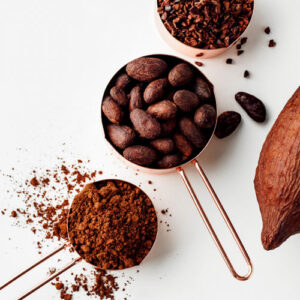
If you are simply avoiding gluten, then discovering that some ingredients may contain trace amounts of gluten is not such a major thing. But if you have coeliac disease, or are cooking for someone who does, then you need all the knowledge that you can get.
The most recent food to be called into question for its gluten content is cocoa powder.
So, is cocoa powder gluten-free?
When it comes to gluten, some foods are more obvious than others. We all know that most baked goods, traditionally made with wheat flour, are a no-no. Then there are the stumbling blocks, where we just aren’t quite sure. Like the gluten content of oats, for example…
Yet most often it is the hidden perils of food processing that are to blame. Cross contamination of gluten is a big issue, as is the use of gluten containing foods as fillers and flavorings. The use of gluten in lollies is a prime example.
Basically, the further you get down the processing chain, the more likely it is you will find added (or even hidden) gluten in your food.
Does chocolate contain gluten?
The most processed form of cacao is chocolate. And let’s face it, the reason that we choose to add cocoa powder to our food is to make it taste of chocolate. We may not want the additional fats, sugar, dairy or even gluten, but we do want that glorious chocolate hit.
There are degrees of processing in chocolate, from the small-batch artisanal bars to the mass-produced big brands. Some, made with the fewest ingredients in a certified free-from-contamination zone, may be gluten-free. These are the high quality chocolates made from cocoa liquor, cocoa butter, and sugar, with perhaps added milk or cream. Whilst likely to be gluten-free, particularly on the ingredient front, it is a sad fact that the smallest artisan producers are the least likely to have the financial resources required to invest in gluten-free certification.
Mass produced commercial chocolate is more likely to include gluten-containing ingredients. Powdered milk, soy lecithin, and even vanilla extract are all known to have been contaminated with gluten.
Is soy lecithin in chocolate gluten-free?
Soy lecithin itself does not contain gluten. But it may contain residues used in processing, or even additives that do. And these may not be on the label. Used as an emulsifier, lecithin helps to bind and hold the ingredients in chocolate together for a smooth mouthfeel.
Many coeliacs report sensitivity issues with soy lecithin, whether through gluten contamination or other related issues.
Is cacao gluten-free?
Cocoa powder has long been thought to be a safer option for coeliacs than chocolate, as it should contain one ingredient only. Cacao. Essentially, cocoa powder (and cacao powder) is cocoa liquor with the cocoa butter removed. Cacao nibs are crushed cocoa beans, with the cocoa butter content left intact. We explore the differences between cacao vs cocoa in this article.
Most gluten-free organisations recognise cocoa powder as a gluten-free ingredient, and advise as such. However cross contamination can occur, and most products (unless certified gluten-free) will carry a disclaimer as such. Cocoa powder is a different thing to drinking chocolate, or hot chocolate powder. Once fairly benign, these products are now highly likely to contain gluten in the form of thickeners and fillers.
Raw cacoa, in the form of cacao nibs or cacao powder, is the least processed cacao product of them all. Not all brands will be certified free from gluten contamination, but it is the closest to the natural cacoa bean that you will get.
Explore our range of superfoods and buy all your smoothie ingredients direct online.
This article was reproduced on this site with permission from operafoods.com.au the “Online Asian Wholesale Grocer”.
See original article:- Is cocoa powder gluten free?
Australian bee pollen for superfood smoothies
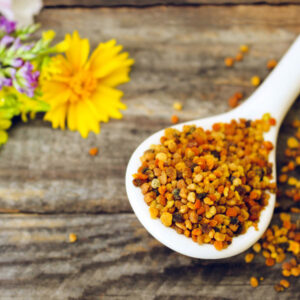
A potent, raw, superfood, Australian bee pollen is packed full of nutrients that provide a welcome boost for our wellbeing.
What is bee pollen?
Bee pollen is the pollen from flowers, mixed with small amounts of nectar, honey, wax, and bee secretions. Stored in the hive, it provides vital food for the bees, giving them essential protein and fats.
How bees collect pollen
A bee can carry over half its bodyweight in pollen, stored in a pollen basket on each of their back legs. As pollen collects on its body, the bee brushes it into the baskets for transportation back to the hive. An entire colony of bees can collect up to 50kg pollen in a season. Along the way, they pollinate our flowers and crops. Only female honey bees have pollen baskets on their legs for collecting pollen.
The bees bring the pollen back to hive and pass it to the worker bees. They pack it into storage chambers in the hive, mixing it with nectar and bee secretions. In this way the tiny grains of pollen are broken down to make the nutrients more readily available.
How bees make honey from pollen
Bees make honey from nectar, not pollen, yet both nectar and pollen are vital to the survival of the colony. Most bees collect either pollen or nectar. The nectar is sucked into a separate stomach specifically designed for this purpose. If the bee needs to feed, a little of the nectar is released into the actual stomach. Back at the hive, the bees gather to process the nectar, chewing it and passing it from bee to bee. This, along with enzymes in the saliva, reduces the moisture content. Like making syrup. The reduced nectar is packed into cells in the hive and then fanned with wing activity until the total moisture content is just under 20%. The nectar has become honey. Each wax cell in the honeycomb is now sealed off with more wax.
Honey provides a winter food source for the bees. It provides carbohydrates alongside the fats and protein provided by the bee pollen.
What does bee pollen taste like?
Owing to the diversity of the flora from which the bees collect pollen and nectar, the taste of Australian bee pollen can vary not only between batches, but also between granules. Overall, bee pollen has a fruity, floral flavour with a slightly grainy texture. Like a soft crunch. It is subtly sweet and vaguely reminiscent of honey.
The benefits of bee pollen in smoothies
Bee pollen is the ideal addition for your healthy smoothies, adding a little texture as well as a nutrient superboost. In some countries it is actually recognised as a medicine and it is claimed to contain over 250 active substances.
Whilst research evidence on all the benefits of bee pollen is mixed, it cannot be denied that it is full of nutrients and is a rich source of amino acids, fatty acids, vitamins and minerals. The nutritional content varies widely as it depends on the nutritional content of the flora from which the pollen is collected. Bee pollen from beekeepers that produce raw wild honey, free from pesticides, is more likely to come from a wide and diverse range of flora.
Full of antioxidants, bee pollen has also shown to be effective in lowering LDL cholesterol. Many people take bee pollen to counteract allergies such as hayfever, and it may be useful in easing menopausal symptoms.
Organic bee pollen
Bee pollen is a by-product of the honey industry, so falls under the same legislation as honey. The Australian rules for organic honey certification state that the hives must be within no less than a 5km radius of sources of pollution such as conventional orchards and crops, or towns. Regulations also apply to hive construction and maintenance.
All of our Australian bee pollen comes from beekeepers that make raw wild honey. Their hives are in the bush, at least 6km away from crops treated with pesticides. This makes it not only pesticide free, but with all the benefits of a wild and varied flora.
Is bee pollen vegan?
A vegan lifestyle is about more than just choosing not to eat meat or dairy. Although that is fine too. According to PETA ‘living vegan means embracing every opportunity to reduce the suffering of all animals, regardless of their species’.
So no, honey and bee pollen cannot be considered strictly vegan. Whether or not you choose to include it in your diet is entirely up to you.
Honey, royal jelly and beeswax are all secreted by bees so are not actually vegan in any sense of the word. Anymore so than dairy milk, for example. Bee pollen is collected, not secreted, yet it does contain small amounts of beeswax and even honey.
How to take bee pollen granules?
You can add bee pollen to smoothies, acai bowls and granola bowls. Sprinkle them onto your breakfast shakes, or scatter over yoghurt and fruit. They look pretty over ice cream, or even desserts with a few edible flowers. Although you can add them anywhere for their nutritional benefit, to really experience the flavour think about subtle flavours that will set off the floral tones. Like a simple banana smoothie or vanilla protein shake for example. They go great with chocolate too. There are several ways to make your banana smoothie more interesting.
A touch of golden decadence, bee pollen will add a slight crunch and floral undertones. Texture and taste, plus the added bonus of being totally insta-friendly too. Win win.
Some people can be sensitive to bee pollen. Others, such as those on blood thinning medications or pregnant women, should not be taking it at all. If in any doubt, please always consult with your healthcare professional. If you feel that you may be sensitive to bee pollen, because you have allergies for examples, build up your dose a few grains at a time.
Most people will tolerate a tablespoon of bee pollen daily.
How to store bee pollen
We recommended that you store your bee pollen in the freezer, taking out what you need on a per-use basis. At the very least keep it air-tight and/or in the fridge for optimum freshness and crunch.
You can buy Australian bee pollen online right here. It is just one of our many healthy smoothie ingredients. You can save money when you buy bee pollen granules in bulk.
Note:This article was reprinted with permission from,
Author: Opera Foods. “Australian Bee Pollen for Superfood Smoothies”, Opera Foods Wholesale Suppliers. Accessed 2021. BUY Bee Pollen the Smoothie ingredients, Acai Bowl ingredients,
The Boost Nutrients business is a wholly own subsidiary of Opera Foods Pty Ltd.
Boosting your diet with super greens powders
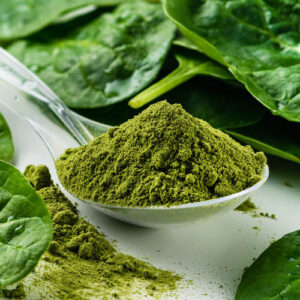
There are many reasons you may want to boost your diet with super greens powders. But why are green vegetables just so good for you?
Are green powders healthy?
Green powders are an excellent way to boost your nutrient intake with the power of green vegetables. Designed as a nutritional supplement rather than an alternative, green powders are great for when you need extra nutrients in your diet or, for whatever reason, are finding it difficult to make your fruit and veg targets.
Why are green vegetables good for you?
Green vegetables are full of a pigment called chlorophyll. They also contain a whole host of other nutrients for very little calories which makes them some of the most nutrient dense foods around. Find out why green vegetables are some of the most super superfoods around.
What is chlorophyll?
Chlorophyll is a green pigment found in plants that helps them to convert sunlight into energy. For humans it acts as a powerful anti-oxidant. Generally, but not necessarily, the more green the vegetable the more chlorophyll it contains. That said, if you choose dark green vegetables to include in your diet, you can be sure of a good source of chlorophyll as well as plenty of other nutrients.
What are dark green vegetables?
All vegetables (and fruits) have some nutritional benefit, and the best health advice you can follow is to eat the rainbow. Quite simply this means to eat a wide range of fresh produce, choosing as many different varieties and colours as you can. Fruits and vegetables all contain pigments that give them their colour. These pigments are known as phytonutrients (or plant chemicals) and they are what makes this food category so unique, and so beneficial. The more colours you eat, the higher your intake of beneficial plant chemicals.
Dark green vegetables are a group of vegetables that share similar nutritional characteristics. Other vegetables that are green but do not share the same nutrient profile belong in a different group. Celery, for example. Or iceberg lettuce. These both contain vital nutrients, just different ones. Dark green vegetables may share similarities yet they each have something unique to offer. So within that rainbow, choose many varieties of each colour as well as individual colour groups.
Green leafy vegetables
Most dark green vegetables also come under the heading of leafy greens. There are salad greens, such as rocket and watercress. Then there are those such as kale and chard, which are generally cooked. Broccoli is related to kale, yet also to cauliflower. Some varieties of broccoli are more leafy than others. Baby spinach is seen primarily as a salad leaf, whilst mature spinach tends to need cooking.
Kale and spinach are both examples of leafy greens, and are pretty much nutritional royalty.
Is spinach good for you?
Yes, spinach is super good for you. Not only a good source of chlorophyll, it is packed with vitamins and minerals including over a dozen antioxidant flavonoid compounds to protect against heart disease and bolster your immune system. Spinach is an excellent source of vitamin K that is essential for blood clotting and maintaining healthy bones.
Is kale good for you?
Kale is also exceptionally good for you. Beyond giving that chlorophyll boost, kale is full of amazing nutrient properties. Did you know it contains a substance that can help to balance oestrogen? It also helps to protect bones with calcium and magnesium alongside vitamin K. Kale is also rich in beta-carotene and vitamin C.
How much protein in kale and spinach?
Whilst not protein powerhouses, kale and spinach do not do too badly in the protein stakes. We explore protein supplements in this post about protein powder.
How to use greens powder
Our spinach powder is an excellent way to boost your nutrient intake and ensure you are not missing out on healthy ingredients. This kale powder will also make sure you are getting the nutrients you need.
Simply stir into water, juice, milk or smoothies. You can also add to soups and stews, or even dips and salad dressings. They work particularly well with egg dishes such as scrambled egg or omelette.
How to make green powder taste better
It is true that greens powder can be fairly unpalatable. Luckily we wrote an entire post about green smoothies and how to make them taste nice.
Buy your greens powder online today, and take advantage of our bulk buy savings.
Think you are getting enough greens? Why not check out some of our veggie smoothie recipes.
This article was reproduced on this site only with permission from our parent co. operafoods.com.au the “Gourmet Online Wholesale Grocer”. See the original article here:- Boosting your Diet With Greens Powders
What is the best vegan protein powder
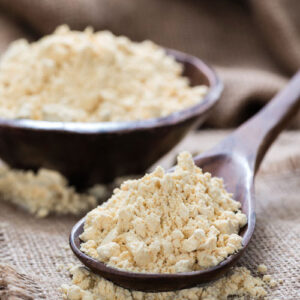
Vegans rely on plants for pretty much everything and that includes protein. Whilst there are many sources of plant based protein for the vegan diet, there are days when you need an extra boost. Maybe you want to build lean muscle, or maybe you’ve just got a busy day ahead. Either way, vegan protein powder is a great way to get those extra nutrients that you need.
Do vegans need protein powder?
In all honesty, you should not need a protein powder on a plant-based diet. You should be getting all you need from a broad variety of beans, lentils, legumes, nuts and even vegetables. But a vegan protein powder can be a helpful supplement to an already healthful diet.
Protein powders are popular post-workout to aid recovery, as a protein boost for an active physical lifestyle, or to supplement the diet on those days when it is less than optimal. And lets face it, it happens. Life does have its demands.
Find out why protein is an essential part of your superfoods diet.
Is whey protein vegan?
Standard protein powders are made from whey. A by product of the cheesemaking industry, whey is what’s left when the curds are removed from milk. It has a complete amino acid profile.
Amino acids are the building blocks of protein. The body breaks down the protein and uses the amino acids for growth, maintenance and repair. Of eleven amino acids we need to get nine from our diet. The body can make the other two. A complete amino acid profile contains all nine.
Whey protein is low in fat and carbohydrates. It is also dairy. AKA not plant-based. Which is a nay-nay for a growing number of people. Whey protein isolate may be suitable for the lactose-intolerant but it still ain’t vegan.
What to look for in vegan protein powder
When looking to buy vegan protein powder it is more about what not to look for. Many are marketed as a blend, perhaps labelled as a protein shake. This may give you the benefits of a mixture of vegan proteins but it may also come with an extra portion of fillers, fluffers and flavours. And sugar, in one form or another. What do we love to tell you? ALWAYS READ THE LABEL!
The best vegan protein powder
The best vegan protein powder is the one that suits your requirements and fits your own personal protein needs.
How much vegan protein powder per day
This very much depends on your build, the amount and quality of protein in your current diet, and your activity levels.
As a general rule you need 0.8g of protein per kg of body weight. This requirement can double, depending on how physical your lifestyle. In percentages, protein should make up between 10 and 35% of daily calorie intake.
A 30g serving of vegan protein powder can contain between 15g and 25g protein.
Hemp protein vs pea protein
Two of the most popular sources of plant protein found in powders are hemp protein and pea protein. Let’s look at them in turn…
Hemp protein powder
Hemp protein powder is essentially ground hemp seeds. Considered a complete protein source, it may however be low in the amino acid lysine. Quinoa is an excellent source of lysine.
At 15g of protein per 30g serving the protein content is lower than pea protein, but it is a whole food not a protein isolate. It therefore comes with fibre and fatty acids as well as antioxidants and minerals.
A good source of fibre, hemp protein powder can provide a quarter of the daily fibre requirement in a 30g portion. Pea protein powder contains very little fibre.
A lot of the oils have been pressed out of hemp protein powder but it is still a good source of essential fatty acids, with a healthy ratio of omega-6 to omega-3. Pea protein has little if no fat content.
Hemp contains powerful antioxidant compounds as well as minerals phosphorus, magnesium, calcium, iron, manganese, zinc, and copper.
The flavour can vary but is considered to be fairly overpowering with earthy nutty tones. The texture is gritty.
You can buy hemp protein powder online from our online wholesale store.
Pea protein powder
Pea protein powder is also considered to be a complete protein.
Pea protein is made from yellow split peas, not the green garden kind. It is rich in the branched chain amino acids (BCAA) leucine, isoleucine, valine and arginine. So it is good for blood flow and heart health as well as providing fuel for working muscles. Some studies show pea protein to be as effective as whey protein at building lean muscle.
A 30g serving of pea protein can contain 24g protein.
Pea protein is more easily absorbed than many other plant proteins. Rich in iron, it is best taken in conjunction with Vitamin C to aid absorption.
The texture of pea protein powder is smoother than hemp, with the slightly sweet vegetal flavour of raw beans.
Both of these protein sources have slightly varying nutrient profiles. Our recommendation would be to supplement your diet with both, in order to take advantage of all they have to offer.
You can buy pea protein powder online from our online wholesale store.
How to use plant-based protein powder
Protein powder has so many uses. Both pea protein powder and hemp protein powder benefit from being used alongside other ingredients.
Add a spoonful to your breakfast porridge, along with fruit powder or greens powder.
Make super healthy muffins, savoury or sweet.
Blend with fruit and almond milk for a mid morning smoothie. You can learn how to make your own almond milk right here.
Add to bright and beautiful bliss balls for a post workout snack.
There are so many ways to use vegan protein powder. Keep checking the site for more ideas.
View our full range of protein powder here.
Boost those beets! There are plenty of ways you can use beetroot powder.
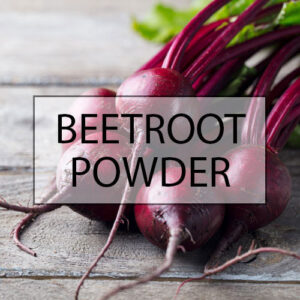
Beetroot powder has long been used for its sweet flavour and vibrant red colour. Once the best kept secrets of pastry chefs and food manufacturers it is now popular as a nutritional supplement and superfood ingredient.
Is beetroot good for you?
Beetroot is a root vegetable that looks something like a turnip. Brightly coloured, not all beetroots are red, yet most beetroot powder is made from the red variety. It is actually a relative of spinach.
Red beetroot are home to a unique group of antioxidants known as betacyanins. Their main role is to support the liver, purify the blood, and improve circulation.
It is also rich in B vitamins, Vitamin C, and folate, as well as minerals potassium, manganese, magnesium, and iron. Not to mention fibre.
So yes, in short, beetroot is pretty good for you.
Beetroot powder benefits
Beetroot powder is a great way for those who don’t like beetroot to benefit from its substantial array of nutrients. Even if you do like beetroot, it is heavy to carry and a nightmare to prepare. Just one teaspoon of beetroot powder is the equivalent of 1 beetroot. It won’t go soft in the vegetable rack and needs no further thought than a quick stir into whatever happens to be going on in the kitchen at the time.
Beetroot powder ingredients
Beetroot powder is literally just that. Whole beetroot with all the water removed. Dehydrated and ground to a powder. All the fibre, all the nutrients; still there.
How to use beetroot powder
The complex flavours of beetroot make it a really versatile ingredient. Earthy and sweet, with slightly bitter tones, it sits happily in both sweet and savoury dishes. In sweet dishes it pairs particularly well with berries and also chocolate. Try pairing with our organic berry powder for a double dose of pink, or with raw cacao powder.
You can pretty much stir a spoon or two into anything. It dissolves readily in water.
Mix with water, juice or milk for a simple shake or add to smoothies for a nutrient boost. Make a beetroot pumpkin spiced latte. Or a decadently pink hot chocolate.
Try adding to dips and sauces. Beetroot hummus anyone?
How to use in baking
Beetroot powder is ideal for baking, with its earthy sweetness and bold pink colour. It is the perfect addition to red velvet cake and also a classic twist on chocolate cake. It can lose its colour due to oxidation though so don’t expect everything to be a perfect pink. A touch of acid such as vinegar goes a long way to preventing oxidation and keeping the colour though.
Try adding to your pasta dough, bread dough, pastry, cakes or cookies. Or you could make some pretty yet powerful beetroot bliss balls.
How much can I eat per day?
You would be surprised how much power just one teaspoonful of vegetable powder can have, so start off small and build up to 4 or 5 teaspoons a day.
If you want to buy organic beetroot powder then you have come to the right place. We are a major stockist of superfoods in Australia, so check out the rest of the range.
Beetroot is a bonafide superfood. To find out more about superfoods, read our in depth guide…
How to make healthy bliss balls with superfood ingredients and fruit powders

Healthy bliss balls are the perfect boost and organic fruit powders are ideal for amping up the mix. Get creative, get colourful and get a superfood boost the easy way.
What are bliss balls?
Bliss balls are an easy to make snack food, perfect for keeping up energy levels during the day or as an easy way to boost your intake of superfoods. Instead of reaching for chemical-laden sugary snacks when energy levels are low, grab one or two delicious homemade energy balls as a nutritious alternative.
Are bliss balls healthy?
Packed full of nutrient dense ingredients, bliss balls are a great way to stave off hunger without resorting to empty calories. Not only do they provide a balance of carbohydrates, proteins, and fats but they also come with a whole host of benefits.
Switching it up with different recipes and superfood ingredients ensures you will never get bored and you will cover the whole spectrum of micronutrients and phytochemicals from these powerful plants.
Stick to one or two a day though as they are high in calories and natural sugars.
How to make bliss balls
Can you freeze bliss balls?
Bliss balls can be kept in the freezer for up to 3 months. They will keep in an airtight container in the fridge for 2 weeks though, so freezing is not really necessary unless you want to make up a huge batch.
Basic bliss ball recipe
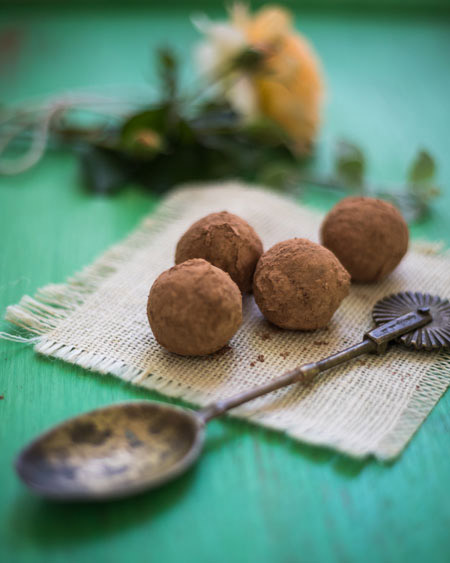
Bliss balls could not be easier to make. All you need is a handful of store cupboard ingredients and a food processor. The basic recipe already provides plenty of macro and micronutrients but from there you can boost flavour, texture and nutrient value by adding in extra superfood powders.
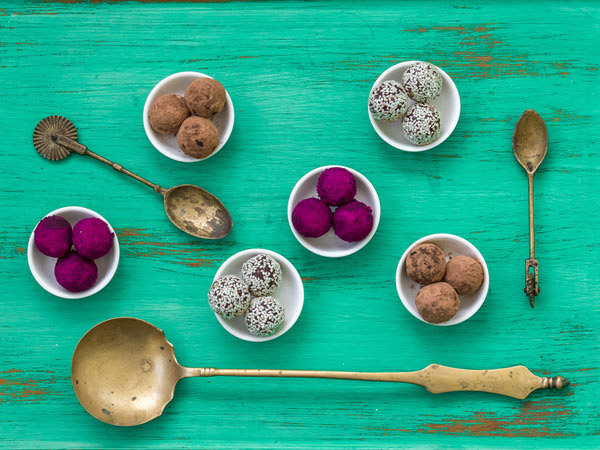
Be aware that if you choose to roll your energy balls in powder they may look pretty but the eating experience is just as important. It is largely a matter of personal preference so test things out before you commit. Raw powders can be bitter or powdery, which sometimes works but not always.
Adding in extra ingredients will affect the mixture so if it becomes too dry to stick then simply add a few drops of water until it comes together. If your mixture is too sticky, add in some more powder.
Makes roughly 18.
6 large dates, pitted
1/2 cup almond butter
1/2 cup shredded coconut
1 tbsp LSA mix
1 tbsp goji berry powder
1 tbsp chia seeds
1 tbsp hemp protein powder
- Blitz all of the ingredients together in a food processor until they come together in a sticky ball. Feel free to adjust to the quantities if the texture is not quite right.
- Divide into teaspoon sized clumps and roll in your hands to form balls.
- Keep in an airtight container in the fridge.
Cacao bliss balls
Because…chocolate. Experiment with cacao nibs for extra crunch. You can easily add 2 tbsp of cacao powder, but you may need to blend in a little water to prevent it being too dry.
Banana bliss balls
Banana powder is an excellent natural sweetener. A few teaspoons of concentrated fruit powder is plenty.
Berry bliss balls
A boost of berry flavour, not to mention all those lovely antioxidants, makes for perfect bliss. Add one or two teaspoons of berry powder, or roll your bliss balls. Also goes particularly well with cacao.
Beetroot powder bliss balls
Using raw beetroot powder not only adds a beautiful colour but lends a delicious earthy sweetness too. And it is super good for you. It is really good when blended with cacao.
Mango bliss balls
Mango and coconut anyone? Try adding a few teaspoons of mango powder to the mix and roll in finely shredded coconut.
Inspired to get creative with healthy bliss balls? We have plenty of other organic fruit powders and superfood ingredients for you to try. You can also buy wholesale organic food at our online store.