
Healthy Ingredients
now browsing by category
Buddha Bowl Basics

Of all the savoury healthy bowls, the Buddha bowl is the easiest to make your own. Unlike the poke bowl or noodle bowls that have their roots in tradition, the Buddha bowl can be pretty much whatever you want it to be.
What is a Buddha Bowl?
A Buddha bowl is a delicious, nutritious meal served in a shallow bowl, which consists of small portions of several foods, including grains, vegetables, proteins, and a dressing. Unlike other bowls that follow specific recipes, a Buddha bowl welcomes creativity and personal preference.
Typically, you’ll find a balance of flavours and textures in each bite. It’s an incredibly flexible dish, perfect for showcasing seasonal produce or using up leftovers, making it a go-to option for a wholesome, satisfying meal.
Does a Buddha bowl have meat?
While Buddha bowls are often plant-based and celebrated for their vegan-friendly combinations, they are not always strictly vegan or vegetarian.
The beauty of a Buddha bowl lies in its versatility, allowing you to tailor it according to your dietary preferences. Some might incorporate animal-based proteins like grilled chicken, boiled eggs, or fish. That said, most of the core components of most Buddha bowls are inherently vegan, featuring a variety of plant-based produce.
Are Buddha Bowls Healthy?
The nutritional benefits depend on the exact ingredients, but Buddha bowls are generally considered very healthy due to their balanced and nutrient-dense ingredients. Based on the principles of balanced nutrition, they aim to include everything you need in one delicious nutrient-dense meal.
These bowls typically feature a mix of whole grains, which provide essential carbohydrates and fibre, along with plenty of fresh vegetables that offer vitamins, minerals, and antioxidants. And more fibre. The inclusion of legumes or lean proteins helps ensure a good intake of protein, vital for muscle repair and growth. Additionally, healthy fats from ingredients like avocado, nuts, and seeds, and flavour-packed dressings made from olive oil or tahini, contribute to satiety and overall nutrition.
By combining a variety of food groups, Buddha bowls support a well-rounded diet and can be customized to meet various dietary needs and preferences.
How to Make a Buddha Bowl.
There are 5 key components to a Buddha bowl. These are a wholegrain base, fresh fruits and vegetables, plant or animal protein, a dressing, and finally toppings and garnishes.
By choosing one or two items from each category, you have endless variations on an easy and healthy meal. Add in a little flair for balancing flavours and working with texture and you are onto a winner every time.
Choose your Wholegrain Base
The base of your Buddha bowl is formed from the neutral canvas of cooked grains.
Add Fresh Vegetables and Fruit
Choose about three seasonal vegetables that will complement each other. Consider a mixture of raw and cooked for contrasting flavours and textures.
Pick your Plant or Animal Protein
You don’t need a lot of protein, and one variety is certainly enough.
Drizzle on a Dressing
The ingredients of a Buddha bowl are simple and unadorned, allowing the natural flavour of the produce to do the talking. It is the dressing that pulls it all together and adds a level of interest, as well as offering the textural respite of a sauce.
Scatter with Toppings and Garnishes
Toppings and garnishes add the final texture and flavour notes to the dish.
It couldn’t be easier, which is why this way of cooking and eating is so popular. Not only is it based around a range of healthy ingredients, but the results are vibrant, colourful and full of interesting texture.
If you stick to just a few ingredients, maybe working along the lines of a theme, then you will have endless variations of interesting combinations at your fingertips. Not only that but choosing from a wide palette of ingredients will bring diversity into your diet. Which is the best nutritional advice anyone can offer.
Recipe Ideas for Buddha Bowls
Here are some delicious and creative Buddha bowl ideas to get you started.
- Mediterranean Delight:
- Wholegrain Base: Giant wholegrain cous cous
- Vegetables: Cucumber, cherry tomatoes, red onions, and green pepper
- Protein: Grilled chicken or cooked chickpeas
- Dressing: Tzatziki or lemon tahini
- Toppings: Feta cheese, fresh mint, Kalamata olives and a sprinkle of oregano
- Asian-Inspired Bowl:
- Wholegrain Base: Brown rice noodles
- Vegetables: Sliced bell peppers, edamame, shredded carrots, and purple cabbage
- Protein: Tofu or shrimp
- Dressing: Ginger soy sauce or sesame dressing
- Toppings: Toasted sesame seeds, green onions, and a dash of sriracha
- Mexican Fiesta:
- Wholegrain Base: Brown rice
- Vegetables: Sweet corn, black beans, avocado, and chopped tomatoes
- Protein: Fajita spiced chicken or refried beans
- Dressing: Lime coriander dressing or avocado cream
- Toppings: Fresh coriander, shredded cheese, and crushed tortilla chips
- Superfood Power Bowl:
- Wholegrain Base: Quinoa
- Vegetables: Kale, spinach, blueberries, and spiralized beets
- Protein: Grilled salmon or tempeh
- Dressing: Green goddess or lemon vinaigrette
- Toppings: Chia seeds, hemp seeds, and microgreens
- Autumn Bowl:
- Wholegrain Base: Barley or Spelt
- Vegetables: Roasted squash, brussels sprouts, and sauteed wild mushrooms
- Protein: Grilled turkey or cooked lentils
- Dressing: Maple mustard or apple cider vinaigrette
- Toppings: Dried cranberries, goat cheese, and pumpkin seeds
Dressing ideas for Buddha bowls
Tzatziki Sauce
Ingredients: Greek yogurt, cucumber, garlic, lemon juice, dill, olive oil, salt, and pepper
Instructions: Grate the cucumber and squeeze out excess water. Mix with Greek yogurt, minced garlic, lemon juice, chopped dill, olive oil, salt, and pepper. Stir until well combined.
Lemon Tahini Dressing
Ingredients: Tahini, lemon juice, garlic, olive oil, salt, and water
Instructions: Whisk together tahini, lemon juice, minced garlic, olive oil, and salt. Add warm water gradually until you reach the desired consistency.
Ginger Soy Sauce
Ingredients: Soy sauce, rice vinegar, grated ginger, garlic, sesame oil, and honey
Instructions: Combine soy sauce, rice vinegar, grated ginger, minced garlic, sesame oil, and honey in a bowl. Mix well.
Sesame Dressing
Ingredients: Sesame oil, rice vinegar, soy sauce, tahini, honey, and garlic
Instructions: Whisk together sesame oil, rice vinegar, soy sauce, tahini, honey, and minced garlic until smooth.
Lime Coriander Dressing
Ingredients: Lime juice, olive oil, coriander, garlic, honey, salt, and pepper
Instructions: Blend lime juice, olive oil, coriander, minced garlic, honey, salt, and pepper until smooth.
Avocado Cream
Ingredients: Avocado, Greek yogurt, lime juice, garlic, cilantro, salt, and pepper
Instructions: In a blender, combine avocado, Greek yogurt, lime juice, minced garlic, chopped cilantro, salt, and pepper. Blend until creamy.
Green Goddess Dressing
Ingredients: Greek yogurt, avocado, lemon juice, garlic, parsley, chives, tarragon, and salt
Instructions: Blend together Greek yogurt, avocado, lemon juice, minced garlic, parsley, chopped chives, tarragon, and salt until smooth.
Lemon Vinaigrette
Ingredients: Lemon juice, olive oil, Dijon mustard, honey, garlic, salt, and pepper
Instructions: Whisk together lemon juice, olive oil, Dijon mustard, honey, minced garlic, salt, and pepper until emulsified.
Maple Mustard Dressing
Ingredients: Dijon mustard, maple syrup, apple cider vinegar, olive oil, garlic, salt, and pepper
Instructions: Mix Dijon mustard, maple syrup, apple cider vinegar, olive oil, minced garlic, salt, and pepper in a bowl until well combined.
Apple Cider Vinaigrette
Ingredients: Apple cider vinegar, olive oil, Dijon mustard, honey, garlic, salt, and pepper
Instructions: Combine apple cider vinegar, olive oil, Dijon mustard, honey, minced garlic, salt, and pepper in a jar. Shake well.
As we have seen, a Buddha bowl is a great way to put together a variety of fresh, wholesome ingredients. The beauty of these bowls lies in their versatility, allowing you to mix and match different vegetables, proteins, grains, and dressings to suit your taste and dietary preferences. Whether you’re looking for a quick lunch option or a vibrant dinner, they are an excellent choice for a balanced, easy meal that’s as pleasing to the eyes as it is to the palate. Find out more about the different types of healthy bowls from across the globe.
Explore our range of store cupboard superfoods for all your Buddha bowl toppings and more.
This article was reproduced on this site with permission from operafoods.com.au the “Superfood Ingredients Suppliers”.
See original article:- Buddha Bowl Basics
Discover a World of Healthy Bowls

In this new series of articles, we explore the world of healthy bowls. What was once the domain of the wellness blogger, bowl food has become a permanent fixture on cafe and food truck menus and a mainstay of the modern Australian diet.
Looking for inspo to breathe new life into your menus? Then join us on a journey around the world of healthy bowls.
All About Bowl Food
Bowl food has quickly risen in popularity, becoming much more than just a trend. It represents a versatile and convenient way to enjoy a balanced meal, appealing to foodies and health enthusiasts alike. The charm of bowl food lies in its ability to combine a variety of ingredients—grains, proteins, vegetables, fruits, and even nuts and seeds—into a single, harmonious dish.
Some bowls are bonafide traditional dishes in themselves. Others have evolved in response to an ever-widening array of ingredients becoming more and more available, on top of the demand for healthier food options. Not to mention the Insta-bility factor!
Types of Healthy Bowls
Here are just a few of the main types of healthy bowls that are gaining ground on menus around Australia.
Poke Bowl
A poke bowl, originating from Hawaii, is a vibrant dish that traditionally features fresh, raw fish—usually tuna or salmon—cut into cubes, and marinated in a savoury sauce. The word “poke” (pronounced poh-keh) means “to slice” or “cut crosswise into pieces” in Hawaiian. These flavourful fish cubes are typically placed atop a base of rice, often sushi rice or brown rice.
Along with the fish, a mix of fresh vegetables such as avocados, cucumbers, and edamame, and various toppings like seaweed, pickled ginger, and sesame seeds are added.
Sushi Bowl
A sushi bowl takes all the elements of traditional sushi and presents them in an easy-to-assemble format. Instead of rolling the ingredients into bite-sized pieces, a sushi bowl layers them in a bowl for a convenient, yet equally delicious, experience.
The base of a sushi bowl typically consists of sushi rice, which is seasoned with rice vinegar, sugar, and salt to give it that signature tangy taste. Layered on top are a variety of ingredients commonly found in sushi rolls, such as fresh fish (like tuna or salmon), crab sticks, avocado, cucumber, and carrots. You might also find additional toppings like seaweed salad, pickled ginger, and a sprinkling of sesame seeds. For added flavour, many enjoy drizzling soy sauce, spicy mayo, or a touch of wasabi over their dish.
Burrito Bowl
A burrito bowl takes all the delicious ingredients of a traditional burrito and serves them in a bowl without the tortilla. This makes it a versatile and customisable meal option that’s perfect for those looking for a low-carb or wheat-free alternative. The base typically consists of seasoned rice or quinoa, but some might opt for lettuce or mixed greens.
Layered atop the base, you’ll find typical burrito elements such as seasoned ground beef, shredded chicken, or grilled vegetables. Beans, either black or pinto, add protein and fibre, while vegetables like bell peppers, corn, and tomatoes provide a burst of colour and nutrients. Additional toppings often include guacamole, sour cream, shredded cheese, and fresh salsa, offering a balanced combination of creamy, tangy, and spicy elements.
Closely related to the burrito bowl is the taco bowl. It usually includes crushed tortilla chips on top to add a bit of crunch.
Noodle Bowl
At its core, a noodle bowl typically starts with a bed of noodles, which can range from rice noodles and egg noodles to soba or udon.
On top of the noodles, you’ll find a diverse array of toppings that can include proteins such as grilled chicken, shrimp, tofu, or beef. Vegetables play a significant role, with common additions being bok choy, carrots, bell peppers, and bean sprouts. To elevate the dish, flavourful broths or sauces like miso, soy, or peanut can be added, giving each bite a rich and satisfying taste.
A noodle bowl is completed with garnishes such as chopped scallions, sesame seeds, fresh herbs like cilantro or basil, and a wedge of lime for a zesty finish. It can be as simple or as elaborate as you like, making it a wonderful option for both a quick lunch and an indulgent dinner.
Many types of noodle bowls are traditional dishes, and they include :
- Ramen
- Pho
- Pad Thai
- Lo Mein
Breakfast Bowl
Also known as a yogurt bowl, or a granola bowl, the breakfast bowl makes a nutritious and delicious start to the day, but in truth can be enjoyed any time. The base is usually a generous serving of yogurt, which can be plain, flavoured, or Greek. To add crunch and texture, toppings like granola or muesli are sprinkled on top.
Fresh fruits such as berries, bananas, and sliced apples add natural sweetness and a burst of vitamins. For added protein and healthy fats, nuts like almonds, walnuts or pecans are often added.
For those who prefer a savoury breakfast bowl, ingredients like avocado slices, hard-boiled eggs or smoked salmon can provide a different approach. With a drizzle of olive oil and a sprinkle of sumac or a seed blend such as dukkah, you would be surprised at how good a savoury yogurt bowl can be. It is particularly good served with a side of flatbread.
Buddha Bowl
A Buddha bowl is typically served cold, featuring a balanced mix of grains, vegetables, proteins, and healthy fats. Often brimming with colourful and assorted ingredients which together create a wholesome, satisfying dish, these bowls are usually vegetarian or vegan.
The base of a Buddha bowl is usually grains such as quinoa, brown rice, or bulgur. This is generously topped with an array of fresh veggies like spinach, kale, cherry tomatoes, and cucumbers. A source of protein such as chickpeas, tofu, or tempeh is then added, complemented with healthy fats such as avocado slices or a sprinkle of seeds. To tie everything together, a tangy dressing or sauce is drizzled on top.
Acai Bowl
An acai bowl is made from acai berries, which are renowned for their high antioxidant content and are said to have numerous health benefits.
This bowl typically features a smoothie base made from frozen acai berry puree, often blended with other fruits like bananas and berries to achieve a creamy, sorbet-like texture. The base is then topped with a variety of fresh fruits such as sliced bananas, strawberries, and blueberries, alongside crunchy granola, coconut flakes, and a drizzle of honey.
Sometimes, additional toppings like nuts, seeds, and even superfoods like chia seeds or goji berries are added for an extra nutritional boost.
Smoothie Bowl
A smoothie bowl is a thick, spoonable version of a smoothie, often enjoyed as a refreshing and nutritious breakfast or snack. Unlike a traditional smoothie that’s sipped through a straw, a smoothie bowl has a thicker consistency, allowing you to top it with a variety of colourful and crunchy toppings.
The base of a smoothie bowl is typically made by blending frozen fruits such as bananas, berries, or mangoes with a splash of liquid like almond milk or coconut water until it reaches a creamy, dense texture. Once blended, the smoothie is poured into a bowl and adorned with an assortment of toppings such as fresh fruits, granola, nuts, seeds, and even a sprinkle of superfoods like goji berries or chia seeds.
The final word
Incorporating dishes like poke bowls, acai bowls, and smoothie bowls into your menus taps into a trend that won’t be going away any time soon.
Each of these bowls offers a wide scope for showcasing flavour as well as catering to the increasing appeal of healthy food options. Experiment with different combinations of bases and toppings to put your healthy bowls firmly on the map.
Explore our range of superfood toppings that will help you create vibrant and colourful bowls every time.
This article was reproduced on this site with permission from operafoods.com.au the “Superfoods Ingredient Suppliers”.
See original article:- Discover a World of Healthy Bowls
What is Whey Isolate Protein Powder

Whey isolate protein powder is a highly refined form of protein that caters to fitness enthusiasts and individuals seeking a premium source of protein in their diet. This article will explore why it is the most popular choice for high-performance protein powder.
What is Whey Protein?
Whey protein is a complete protein derived from milk. Often a by-product of the cheese-making process, it contains all nine essential amino acids necessary for the human body, making it an excellent source of high-quality protein. It is a highly digestible protein and is absorbed quickly compared to other proteins, making it a favourite among athletes, bodybuilders, and those who need enhanced muscle repair and growth.
Whey protein comes in several forms, including whey concentrate, whey isolate, and whey hydrolysate, each varying in protein content, lactose, and fat.
How does whey protein isolate differ from other forms of whey protein?
Whey protein isolate differs significantly from other forms of whey protein due to its processing and composition.
Unlike whey concentrate and hydrolysate, whey isolate undergoes an extensive filtration process that removes more fat and lactose, resulting in a product that contains 90% or more protein by weight. This makes whey isolate an ideal choice for those looking to minimize calorie intake while maximizing protein consumption. The reduced lactose content makes it more suitable for individuals with intolerance or sensitivity.
Due to its higher purity, whey isolate is often considered a superior option for muscle repair and growth, offering a quick and efficient protein source that supports recovery and performance.
How is whey protein isolate made?
The production of whey protein isolate involves several steps to increase its protein content while reducing fats, carbs, and lactose.
Initially, liquid whey is separated from the curds during the cheese-making process. This liquid whey undergoes microfiltration or ultrafiltration to remove fats and lactose, producing whey concentrate. The concentrate is then processed further through a cross-flow microfiltration system. This keeps the proteins intact while eliminating additional fat and lactose, resulting in whey protein isolate which is 90% or more protein by weight.
Finally, the isolate is dried into a powder form for easy consumption. This meticulous process ensures that whey protein isolate provides a high-quality, lactose-reduced protein supplement ideal for those with dietary restrictions or intensive muscle-building goals.
The Benefits of Whey Isolate Protein Powder
Whey isolate protein powder is particularly beneficial for athletes and fitness enthusiasts aiming to enhance muscle growth and recovery. Its high protein content, along with low levels of fat and carbohydrates, make it an excellent supplement for those looking to increase lean muscle mass without adding unwanted calories.
The rapid absorption rate of whey isolate ensures prompt delivery of amino acids to muscles, which is critical for repairing and rebuilding muscle fibres after strenuous workouts. Furthermore, its low lactose content means it’s easily digested, minimizing the risk of gastrointestinal discomfort often associated with dairy-based supplements.
Beyond muscle recovery, whey isolate can also support weight management by promoting satiety and reducing hunger. This makes it valuable to any nutrition plan for achieving or maintaining a healthy weight.
Key nutrients found in whey isolate
Whey isolate protein powder is celebrated for its high protein content and rich supply of essential nutrients beneficial to health and fitness. Among these nutrients are:
- Branched-Chain Amino Acids (BCAAs): Including leucine, isoleucine, and valine, which are crucial for muscle protein synthesis and recovery.
- Essential Amino Acids: Supplies all nine essential amino acids that the body cannot produce alone.
- Calcium: Important for bone health and function.
- Iron: A component of haemoglobin within red blood cells and myoglobin in muscle cells, iron plays a key role in oxygen transport and storage.
- Potassium: Vital for muscle contractions and nerve signalling.
- Magnesium: Supports muscle and nerve function, blood glucose control, and blood pressure regulation.
- Phosphorus: Helps in the formation of bones and teeth, and is necessary for the body to make protein for the growth, maintenance, and repair of cells and tissues.
Key health benefits of whey isolate
Whey isolate offers several health benefits, making it a preferred choice for fitness enthusiasts, athletes, and health-conscious individuals. Some of the key health benefits include:
- Muscle Growth and Recovery: Whey isolate is rich in protein and amino acids, facilitating muscle growth, repair, and recovery post-exercise.
- Weight Management: Its ability to promote satiety can help reduce overall calorie intake, supporting weight loss and maintenance efforts.
- Enhanced Immune System: Contains immunoglobulins and lactoferrin that help strengthen the immune system.
- Improved Bone Health: The calcium content in whey isolate supports the development and maintenance of strong bones.
- Lower Blood Pressure: Studies have shown that dairy proteins like those found in whey isolate can contribute to the reduction of high blood pressure, hence supporting cardiovascular health.
- Antioxidant Support: Rich in cysteine, which boosts the production of glutathione, a powerful antioxidant that reduces oxidative stress and supports overall health.
Is Whey Isolate Protein Powder Suitable for Individuals with Lactose Intolerance?
Whey isolate protein powder is generally considered suitable for individuals with lactose intolerance, mainly because it undergoes a process that significantly reduces the lactose content.
Unlike whey concentrate, whey isolate is further processed to remove most fat and lactose. This intensive filtration process leaves only a minimal amount of lactose, making it a viable choice for those with lactose sensitivity or intolerance.
It is important to note that individual responses to lactose can vary significantly, so lactose-intolerant individuals should start with small amounts of whey isolate to assess their tolerance. In cases of severe lactose intolerance, consulting a healthcare provider before incorporating whey isolate into the diet is recommended.
Can Whey Isolate Protein Powder be Incorporated into a Vegetarian or Vegan Diet?
Whey isolate protein powder can be incorporated into a vegetarian diet as it is derived from milk, which is permissible in most vegetarian dietary practices. However, it is not suitable for a vegan diet since vegans exclude all animal products, including dairy, from their diets.
Those adhering to a vegan lifestyle may need to explore plant-based protein alternatives such as pea, rice, or hemp protein powders. Find out more in our article ‘What is the best vegan protein powder?’
How to Use Whey Protein Isolate Powder
Whey protein isolate makes an excellent addition to smoothies, shakes, and even baking recipes, allowing it to enhance the protein content of meals without altering their taste significantly. Adding whey isolate to oatmeal, yoghurt, or homemade nutrition bars can also provide a nourishing post-workout meal or a satisfying snack.
How does the taste and mixability of whey isolate protein powder compare to other protein supplements?
Whey isolate protein powder is renowned for its exceptional taste and mixability, setting it apart from many other protein supplements. Due to its refined processing, whey isolate tends to have a smoother texture and a more neutral flavour.
Unlike some plant-based proteins that can be gritty or have distinct tastes, whey isolate mixes well in cold and warm liquids.
What is the recommended daily intake of whey isolate protein powder?
The recommended daily intake of whey isolate protein powder varies based on individual dietary needs, fitness goals, and overall health.
For most adults, consuming 20-25 grams of whey protein per serving can significantly contribute to muscle repair and growth, especially when ingested post-exercise. However, athletes or individuals engaging in heavy resistance training may benefit from higher amounts, up to 1.2 to 2.0 grams of protein per kilogram of body weight per day, distributed across multiple servings.
It’s essential to consult with a healthcare provider or a nutritionist to determine the optimal intake tailored to your specific requirements, ensuring you maximize the benefits while maintaining a balanced diet.
Are there any side effects to look out for?
While whey isolate protein powder is generally safe for most people, there are a few potential side effects to be aware of.
Some individuals may experience digestive issues such as bloating, gas, or diarrhoea, especially those with lactose intolerance or a sensitivity to dairy products. Whey isolate contains less lactose than whey concentrate.
Additionally, excessive intake of whey protein can contribute to kidney strain in individuals with preexisting kidney conditions and may lead to unintended weight gain due to extra-calorie consumption.
It’s crucial to adhere to recommended dosages and consult a healthcare professional if you have concerns about how whey protein might affect your health.
Buying whey isolate protein powder
Protein Content: Look for a powder that provides a high protein percentage per serving to ensure you’re getting the most benefit for muscle repair and growth.
Quality of Ingredients: Opt for powders with minimal additives, artificial sweeteners, or fillers. The fewer the ingredients, the better the quality tends to be.
Taste and Mixability: Since you’ll likely be consuming it regularly, choose a flavour you enjoy and a powder that easily dissolves in liquid to avoid gritty textures.
Cost per Serving: Calculate the cost per serving to ensure you’re getting a good value.
Allergy and Dietary Considerations: Ensure the powder does not contain any ingredients you are allergic to and that it fits into your dietary requirements (e.g., gluten-free, vegan, etc.).
As we have seen, while whey protein, especially whey isolate, is a powerful supplement that supports muscle growth and repair, it’s important to use it judiciously, keeping in mind potential side effects and dietary restrictions. By carefully selecting a high-quality whey isolate powder individuals can enhance their nutritional intake and support their fitness goals effectively.
Remember, the key is to integrate whey protein into a balanced diet and healthy lifestyle, and always consult with a healthcare provider to ensure it aligns with your personal health profile.
Explore our range of protein powders, and our other great superfood ingredients.
If you enjoyed this article you may like our other superfood articles.
This article was reproduced on this site with permission from operafoods.com.au the “Superfood ingredients suppliers”.
See original article:- What is Whey Isolate Protein Powder
The Ultimate Guide to Mastering Chia Pudding.
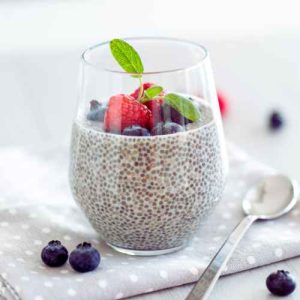
Is Chia Pudding Actually Good for You?
Despite the word pudding being involved, chia pudding is actually good for you. Especially if you keep an eye on the sweetness levels.
Chia seeds are packed with omega-3 fatty acids, fibre, protein, and essential minerals such as calcium, magnesium, and zinc. When you soak them in liquid, they expand and form a gel-like substance, making the pudding not just tasty but also incredibly satisfying. This makes chia pudding a fantastic option for starting your day with a sustained release of energy or for a snack that keeps those hunger pangs at bay without weighing you down.
The high fibre content is great for digestive health, while the omega-3s support heart health and reduce inflammation.
How to Make Chia Pudding
The basic chia pudding recipe
Making chia pudding is surprisingly simple and requires just a few minutes of prep time. Start with a basic ratio of 1 part chia seeds to 4 parts liquid. Almond milk, coconut milk, or any plant-based milk of your choice works well, giving the pudding a creamy texture and a subtle flavour. You can of course use good old dairy milk too.
Just mix the chia seeds with the liquid in a bowl or jar, add a touch of sweetener like honey or maple syrup if desired, and stir. Then, let the mixture sit for a few hours or overnight in the refrigerator. The seeds will absorb the liquid, swell up, and transform into a deliciously thick and creamy pudding.
This basic chia pudding recipe serves as the perfect canvas for all sorts of tasty and nutritious additions.
Chocolate chia pudding
We may think of the basic recipe above as classic chia pudding, but it was possibly chocolate chia pudding that heralded the beginning of the love affair.
Feel free to adjust the cocoa level. If you like really dark chocolate you could probably get away without adding any sweetener at all.
Ingredients:
- 1/4 cup chia seeds
- 1 cup almond milk (or any milk of your choice)
- 2 tablespoons cocoa powder, unsweetened
- 1-2 tablespoons honey or maple syrup, to taste
- 1/2 teaspoon vanilla extract
Instructions:
- Mix Ingredients: In a mixing bowl or a mason jar, combine all the ingredients. Mix well to ensure the cocoa powder is fully integrated and there are no lumps.
- Refrigerate: Cover the mixture and refrigerate for at least 4 hours, or ideally overnight. This waiting period allows the chia seeds to absorb the liquid, swell up, and turn the mixture into a pudding-like consistency.
- Stir and Serve: Once the pudding has set, give it a good stir. If the pudding seems too thick, you can add a little more milk to reach your desired consistency.
- Garnish and Enjoy: Enjoy it as it is, for a chocolatey treat, or add fresh fruit, nuts, or other toppings of your choice.
Chia Pudding Variations
There are two ways to get the most from chia pudding. You can add your extras at the beginning, where they will soften and become part of the pudding itself. Or you can make up the basic recipe, and layer on your toppings later. The results are dramatically different.
Bursting with berries
Add your favourite mixed berries, such as strawberries, blueberries, and raspberries, for a burst of tangy sweetness.
Ray of sunshine
Choose coconut milk instead of almond milk and add diced mango, pineapple, and a sprinkle of shredded coconut.
Peanut butter banana
Mix in a spoonful of peanut butter and top with sliced bananas.
Matcha green tea
Add a teaspoon of matcha powder to the basic mixture.
Lemon raspberry refresher
For a refreshing twist, mix in some lemon zest and fresh raspberries.
Caramel apples
Swirl in some homemade or store-bought caramel sauce and top with diced apples.
Adding a superfood boost
The great thing about chia pudding is that you can dress it up for a decadent dessert, or keep it super healthy.
Add fruit powders
Fruit powders work really well stirred into the basic recipe right at the beginning.
Add extra seeds
Sprinkle with super seeds for an extra layer of crunch
Add cacao nibs
Cacao nibs make everything better, with a raw chocolate hit and crunchy texture. Not to mention the antioxidant boost.
Decadent dessert ideas
Here are a few ideas for emphasis on the pudding part of chia pudding. This is grown-up dessert time.
Espresso and dark chocolate
Whisk in a shot of espresso and fold in dark chocolate chips.
Cardamom and caramel pear
Infuse the pudding with cardamom and top with caramelised pears.
Rose and pistachio
Add rose water and sprinkle with crushed pistachios. Or go all the way with candied rose petals.
Saffron, almond, and honey
Infuse with a few threads of saffron. Top with roughly chopped almonds and a drizzle of honey.
Crystallised ginger:
Stir in chopped crystallized ginger.
How long will chia pudding last in the fridge?
Kept in an airtight container, your chia pudding will stay fresh in the fridge for up to 5 days. Just be aware that any fresh fruit additions, whilst they won’t go off exactly, may become soggy and unpalatable. Some fruits will fare better than others. Bananas won’t keep well for more than a day.
Top tips for the perfect chia pudding
Sometimes, despite it all, your chia pudding might not turn out exactly how you imagined. But don’t sweat it! Here are a few common hiccups and how to fix them:
- Too Runny? If your chia pudding hasn’t thickened after a few hours in the fridge, it might need a few more chia seeds. Start by adding a teaspoon more, stir well, and give it a little more time.
- Too Thick? On the flip side, if it’s more like chia concrete than pudding, you just need to whisk in a little extra milk until you reach your desired consistency.
- Lumpy Texture? No one wants a lumpy pudding. Ensure to give it a good mix after adding your chia seeds to the milk. A whisk works wonders for breaking up clumps. Halfway through the setting time, give it another stir.
- Not Sweet Enough? If it’s not hitting the sweet spot, feel free to stir in a little honey, maple syrup, or your favourite sweetener.
- Flavour Lacking? Sometimes, simple is perfect, but other times, you crave that extra oomph. Feel free to experiment with extracts, spices, cocoa powder, or even a dollop of jam or peanut butter to elevate your pudding game.
When to Eat Chia Pudding
Chia pudding is incredibly versatile, making it a fantastic choice for any time of day!
Enjoy it as a refreshing breakfast to kickstart your morning with a nutrient-packed meal that’ll keep you full and energized until lunch. It’s also an excellent mid-day snack to help you power through the afternoon slump. Or, if you’re looking for a light yet satisfying dessert, chia pudding can be your go-to treat.
We hope that we have tempted you to try experimenting with chia pudding, whether you want new ways for a healthy breakfast or some quick and easy decadent desserts.
Take a look at our full range of store cupboard superfoods that are designed to make getting your daily nutrient boost simple and delicious without the fuss or the waste.
Not entirely sure about superfoods? Read our in-depth guide.
This article was reproduced on this site with permission from operafoods.com.au the site for “Healthy Breakfast Supplies”.
See original article:- The Ultimate Guide to Mastering Chia Pudding.
Everything You Need To Know About Smoothie Powders
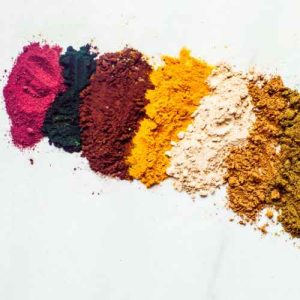
Calling all smoothie lovers. Maybe you looking to supercharge your smoothies with an extra dose of nutrition? Or perhaps you just want something a little easier and more convenient. Today, we’re exploring the ins and outs of smoothie powders. They can be a game-changer for your health regime and are incredibly easy to use.
What Does Smoothie Powder Do?
There are three main types of smoothie powder. There are those that replace the main ingredients of your smoothie. So, fruit powders, vegetable powders, or maybe protein powders. Then there are those that boost the nutrient content of your smoothie a little bit more. Things like maca powder, or ground flax. Finally, there are commercially prepared blends that include most (or all) of these in a single mix.
All of these are made from dehydrated ingredients that you simply reconstitute with a liquid. Usually water. The easiest and most convenient way is simply to stir or shake them, but you can also give them a quick whiz in a blender for totally smooth results.
Are Smoothie Powders Good For You?
But are smoothie powders good for you? Whilst we are all for what’s quick and easy, what about nutrition?
It turns out that they come with a pretty impressive set of creds on the nutrition front. Obviously, each one has a completely different profile from the next, but overall they can be a fantastic addition to your diet, especially if you struggle with getting enough fruits, veggies, or protein.
Yet, as with most things, the key is choosing the right ones and using them correctly.
Nutrients in smoothie powders
Vitamins and minerals
Fruit and vegetable powders are rich in essential vitamins and minerals that support overall health. You might find everything from Vitamin A for eye health to magnesium for muscle function. Whilst it is true that many vitamins, such as C, can degrade during processing and storage, the fact remains that most fruit and vegetable powders are rich and concentrated sources of most of the key nutrients found within the fresh produce itself.
Protein: essential amino acids
Protein powders, both vegan and dairy, offer a convenient way to increase your daily protein intake which is crucial for muscle repair and growth.
When you scoop into a jar of protein powder, what you’re getting is a concentrated dose of protein that’s been extracted and processed from its source—be it whey from milk, peas for the plant-based folks, or even crickets for the adventurous eaters among us (yes, that’s a thing!). But it’s not just about packing in the protein at the gym, these powders are for anyone needing a quick protein pick-me-up.
Fibre: insoluble and soluble
Whilst most smoothie powders boast that they contain plenty of fibre, which is great, it has already been broken down for you which means your body won’t have to do the work. In terms of soluble fibre this is not a problem, but when it comes to the indigestible fibre found in whole plants, the body does benefit from doing the work itself. Whilst this is by no means a downside, just be sure to include fresh wholefoods in your diet as well.
Fatty acids: Omega-3s and more
These powerful nutrients, known for their anti-inflammatory properties, are essential for heart health, brain function, and overall well-being. Some powders include flaxseed, chia seeds, or hemp, which are all excellent plant-based sources of Omega-3s. Getting enough Omega-3s in your diet can be tricky, especially if you’re not a fan of fish or are following a plant-based lifestyle.
Our top tip: While smoothie powders can amp up your nutrient intake, remember to check the labels for added sugars or artificial ingredients – your body will thank you for it! And don’t forget to include whole natural foods in your diet too.
What is the healthiest powder to add to a smoothie?
The healthiest powder to put in a smoothie depends on your own individual nutritional needs. Discovering a range of powders that, when put together, provide the balance of nutrients you need is far more effective than isolating one single powder or superfood.
That said, there are some single superfood powders that come with an impressive nutritional profile. Here are just a few.
Maca powder
Maca is largely revered as an adaptogen, a natural substance believed to help the body adapt to stress and promote balance and overall well-being. It is also well known for its potential in maintaining hormonal balance, making it a popular choice for those looking to align their endocrine system naturally.
Find out more in our article ‘maca; the superfood you need in your diet’
Goji berry powder
Goji berries contain ten times more antioxidants than blueberries, and are one of few fruits rich in fatty acids. Know in Chinese Traditional Medicine as the longevity fruit, goji berries are rich in plant chemicals that support eye health, improve memory, and aid restful sleep.
Cacao powder
Cacao is also rich in powerful antioxidants, as well as containing a staggering range of nutrients.
Not only is it loaded with antioxidants that fight off free radicals, but it’s also brimming with minerals like magnesium, which is great for your heart and brain. Plus, it has more calcium per gram than cow’s milk, making it a delicious option for bone health. And let’s not forget the mood-enhancing effects of cacao—thanks to the natural compounds that release feel-good hormones, adding a scoop of this decadent powder to your blend can actually make you feel happier. We call that a winner.
The Benefits of Smoothie Powders
The benefits of smoothie powders go beyond the simply nutritional.
Convenience
Just scoop, blend, and go! Smoothie powders simplify the process of getting your daily dose of vitamins and minerals, especially on those busy mornings.
Versatility
Whether you’re craving something sweet, looking to boost your protein intake, or wanting a refreshing drink, there’s a smoothie powder out there to help you crush those goals.
Longevity
These powders have a longer shelf life than fresh produce and don’t require any refrigeration, which means less waste and more bang for your buck.
Customization
Mix and match to create personalized blends that cater to your taste preferences and nutritional needs.
Portability
They’re perfect for people on the move. Pack some powder, find water, and you’ve got a nutrient-rich snack wherever you are.
Nutrient dense
And of course, as we have already seen, they’re concentrated sources of nutrients. With a single scoop, you’re often getting the equivalent nutritional benefits of multiple servings of fruits or vegetables.
To wrap it up, smoothie powders are simply about blending convenience with health. Quite literally.
We’ve got loads of super smoothie ingredients available to buy online, including all these smoothie powders that we have been talking about.
This article was reproduced on this site with permission from operafoods.com.au the “Smoothie Ingredients Distributors & Wholesalers”.
See original article:- Everything You Need To Know About Smoothie Powders
Fruit Powders: Your New Secret Ingredient

What are Fruit Powders?
Fruit powders are a convenient and nutritious addition to any kitchen. Essentially, they are fresh fruits that have been dried and pulverized into a fine powder. This process typically involves freeze-drying or dehydrating the fruits to remove their water content, while preserving the maximum amount of nutrients and flavour. The result is a concentrated fruit product, packed with the same vitamins, minerals, and antioxidants as the original fruit, but in a form that’s easy to store and versatile in its use.
Not just for the health-conscious, fruit powders have long been used by pastry chefs and chocolatiers for their bright colours and concentrated flavours.
How are Fruit Powders Made?
The process of making fruit powders involves a few crucial steps. Initially, high-quality, ripe fruits are selected and thoroughly cleaned. After that, they are sliced into thin pieces to ensure even drying. The fruit slices are then subjected to a drying process, commonly freeze-drying or dehydration.
In freeze-drying, the fruit slices are frozen and then placed in a vacuum chamber to eliminate the ice content by sublimation. Dehydration involves circulating hot, dry air around the fruits to remove their water content. Both methods help to retain the nutritional value and natural colour of the fruits, yet dehydration is considered to be the superior of the two. Finally, the dried fruit pieces are ground into a fine powder using a pulverizer. This fruit powder is then packaged and ready for use.
Boost Nutrients fruit powders
Our Boost Nutrients fruit powders are made from slowly dehydrated pureed fruit, for the maximum retention of nutrients, colour and flavour. We do our best to source only Australian produce where possible, and preferably organic or pesticide-free.
Is dehydrated fruit powder healthy?
Yes, dehydrated fruit powder is indeed healthy. The dehydration process aims to eliminate water while preserving the nutritional content of the fruit. This means that the vitamins, minerals, and antioxidants found in the original fruit are retained in the powdered version. In fact, since powdered fruit is more concentrated, a small serving can provide a significant amount of these nutrients. However, it’s important to note that while fruit powders are a convenient and versatile way to boost your nutrient intake, they shouldn’t replace whole fruits in your diet. Whole fruits offer dietary fibre and more volatile nutrients that may be lost during the drying process. Therefore, use fruit powders as a supplement to a balanced diet rich in whole fruits.
How long does dehydrated fruit powder last?
Dehydrated fruit powder can last for a long time if stored correctly. Generally, it can stay fresh and retain its nutritional content for up to a year. It’s crucial to store it in a cool, dry place away from direct sunlight, and to keep it sealed in an airtight container to prevent moisture absorption. Despite its long shelf life, it’s always a good idea to check for changes in colour, smell, and texture as these may indicate that the fruit powder is no longer in optimal condition.
The Benefits of Using Fruit Powders
Fruit powders offer several benefits that make them an excellent addition to your nutritional regiment:
Convenience: You can easily incorporate into a variety of meals, drinks, and snacks. They’re lightweight, easy to transport, and don’t require refrigeration, making them the perfect solution to your busy schedule.
Long Shelf Life: As mentioned earlier, fruit powders can last for up to a year when stored correctly, so you can enjoy their nutritional benefits long after fresh fruits would have gone in the bin.
High in Nutrients: Fruit powders are concentrated sources of vitamins, minerals, and antioxidants. This makes them a potent supplement for boosting your daily nutrient intake.
Low in Calories: Most fruit powders are low in calories, making them an excellent choice for those watching their calorie intake.
Versatility: Fruit powders can be used in a wide variety of recipes. They can add a nutritional punch and exciting flavours to smoothies, baked goods, sauces, salad dressings, and much more.
Remember, while fruit powders can supplement a healthy diet, they are not meant to replace whole fruits, which provide essential dietary fibre and other nutrients.
Different Types of Fruit Powders
Most fruit can be dehydrated to make into powder, yet some popular types are a particularly versatile addition to your pantry.
Here are some of the most popular types of fruit powders:
Banana Powder
Just like fresh bananas, banana powder is equally at home as a sweet slightly neutral base for other flavours or as the star of the show.
Try our Boost Nutrients organic banana powder
Berry Powder
This powder is packed with vitamin C, adding a tangy-sweet flavour and beautiful colour to your food. It goes really well with chocolate or cacao.
Our Boost Nutrients berry powder is made from only Australian berries
Mango Powder
Not to be confused with the Indian amchur which is a traditional souring agent, our mango powder has all the sweet goodness and flavour of ripe Australian mangoes.
Try our Boost Nutrients mango powder made with Australian mangoes
Goji Berry Powder
Highly nutritious, goji powder is a beautiful colour and a convenient versatile way to harness the nutritional power of goji berries.
Try our Boost Nutrients goji berry powder
Sometimes you come across a fruit powder that you wouldn’t have thought of, and have never seen before. Like our must-try super fruity organic peach powder.
Remember, each type of fruit powder carries its own unique nutritional profile and therefore serves different dietary purposes. Experiment with a combination of different fruit powders to discover which ones best suit your taste and nutritional needs!
Ways to use dehydrated fruit powders
-
Smoothies:
Add a spoonful of your favourite fruit powder to your smoothie for an extra burst of flavour and nutrients. Try mixing different powders to create your own easy-to-use blends.
-
Baking:
Fruit powders work great in baked goods. They can be used to add flavour and colour to cookies, muffins, cakes, and bread.
-
Yogurt and Cereal:
Sprinkle some on your morning yogurt or cereal for a fruity twist.
-
Pancake and Waffle Batter:
Mix some fruit powder into your pancake or waffle batter to make breakfast more exciting.
-
Salad Dressings:
Use fruit powders to make your own salad dressings. They can add a lovely sweetness and tang to your salads.
-
Teas and Lemonades:
Stir a little fruit powder into your tea or lemonade for a unique taste.
-
Homemade Ice Cream:
Use fruit powders to add flavour and colour to homemade ice cream, or even to liven up a store-bought vanilla!
-
Energy Bars and Balls:
Incorporate fruit powders into homemade energy bars or balls for natural sweetness and added nutritional kick.
-
Marinades and Rubs:
Certain fruit powders, like pineapple or mango, can be excellent in marinades or rubs for meat. They not only add a pleasing acidity but contain enzymes that tenderise the meat.
Remember, the possibilities are only limited by your imagination! Experiment with different powders and recipes to discover your favourite combinations and expand your kitchen repertoire.
Find out more about the power of superfood powders in our guide.
Explore our full range of fruit powders and store cupboard superfoods that you didn’t know you couldn’t live without.
This article was reproduced on this site with permission from operafoods.com.au the “Best Fruit & Veg Powders distributors”.
See original article:- Fruit Powders: Your New Secret Ingredient
Boost your Brekkie: 8 Awesome Smoothie Bowl Toppings
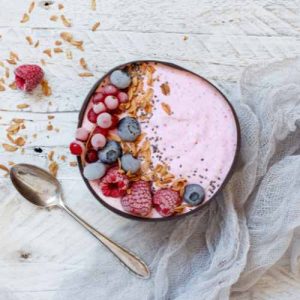
What is a Smoothie Bowl?
Similar to an acai bowl, a smoothie bowl is a thicker, spoonable version of a regular smoothie. It is usually made with frozen fruits and vegetables, along with some liquid such as milk or juice. Served in a bowl, this thick, ice-cold base is the starting point for any number of toppings that not only boost the nutrient content but add contrasting tastes and textures.
Not only are they visually appealing and Insta-worthy, but smoothie bowls also offer a convenient way to maximise your nutritional intake at the start of the day. Or any time of day really.
So now that is out of the way, the next obvious question involves toppings for your smoothie bowls.
Our Favourite Toppings for Smoothie Bowls
Toppings add taste and texture to your smoothie bowl, as well as that all-important nutrient boost. You can pretty much put anything on there but here are a few of our favourites that are as nutritious as they are delicious.
Topping 1: Fruit Powder
Fruit powder is a game changer when it comes to smoothie bowl toppings. Made by simply dehydrating fruits and grinding them into a fine powder, it packs all the flavour of fresh fruit, but in a storage-friendly form. From tangy berries to tropical mango, fruit powder not only adds a vibrant color to your smoothie bowl, but also a concentrated punch of vitamins, antioxidants, and natural sweetness.
Try our range our fruit powders
Topping 2: Chia Seeds
Chia seeds are tiny nutrition bombs that make a great topping for your smoothie bowl. Despite their small size, they’re packed with dietary fibre, protein, and a load of essential minerals. Not only do they add a satisfying crunch to your bowl, but when soaked in liquid (like milk or yogurt), they form a gel-like consistency for an extra creamy texture. Try using both for an interesting contrast.
Our black chia seeds are organic
Topping 3: Black Sesame
Black sesame seeds are the grown-up sophisticated cousin of your standard white sesame seeds. They have a slightly different flavour profile, with a nutty and slightly bitter taste. They also contain a higher level of antioxidants and essential fatty acids. Plus, the colour is great and can be used to striking effect. Think two-tone, rather than a riot of colour.
These black sesame seeds will boost your bowl
Topping 4: Cacao Nibs
Cacao nibs are the perfect topping for those who want to indulge their chocolate cravings more healthily. Essentially they are pieces of cacao beans that have been roasted, separated from their husks, and broken into smaller bits. They taste like dark chocolate but with a raw, more intense flavour and a satisfyingly crunchy texture. Cacao nibs are loaded with fibre, protein, and beneficial compounds like flavonoids.
Try these organic cacao nibs for an antioxidant boost
Topping 5: Dried Fruit
Dried fruit offers yet another textural contrast, bringing an almost candy-like chew. With all the sharp sweetness of fruit, in a concentrated flavour, they are also a longer-lasting store-cupboard-friendly option. As much as we love raisins, we are thinking along the more interesting lines of sharp sour cherries or tangy blueberries.
Try these organic dried cherries
Topping 6: Hemp Seeds
Hemp seeds aren’t about to win the pretty prize, but what they lack in insta-friendly colour they make up for in nutritional heft. They are a powerhouse of proteins and healthy fats, including omega-3 and omega-6 fatty acids, and they also serve as a rich source of dietary fibre and essential vitamins and minerals.
Our organic hemp seeds are hulled for better nutrient release
Topping 7: Pumpkin Seeds
Pumpkin seeds, also known as pepitas, bring a delightful crunch to your smoothie bowl. These tiny seeds are packed with protein, fibre, and a variety of essential minerals such as magnesium, iron, and zinc. They have a subtly sweet and nutty flavour, which pairs well with virtually any combination of smoothie bowl ingredients. Beyond their taste and nutritional benefits, their vibrant green colour will brighten your bowl, for an aesthetically pleasing and incredibly healthy topping.
Try these special variety Styrian hull-less pumpkin seeds for an easier eat
Topping 8: Bee Pollen
Bee pollen is a fantastic addition to your arsenal of smoothie bowl toppings. This natural byproduct of the beekeeping process is nutrient-rich, and filled with proteins, vitamins, minerals, and antioxidants. It has a mildly sweet yet floral taste that compliments a variety of fruits and other toppings. Prized for its potential health benefits, bee pollen may help to boost immunity and reduce inflammation. But remember, a little goes a long way; just a sprinkle of these golden granules is enough to give your smoothie bowl a nutritional and flavorful boost.
Our great-tasting raw Australian bee pollen
Basic Healthy Smoothie Bowl Recipe
More of a template than an exact recipe, this will help you get to grips with the basics and also act as a blueprint for endless creations of your own.
- Choose Your Base: Start by selecting your base ingredients. This could be a selection of your favourite fruits, like bananas, frozen berries, or mangoes. You will need some kind of liquid to help it along, but not as much as a traditional smoothie.
- Blend: Add your base ingredients to a blender. Blend until you achieve a smooth, even consistency. The mixture should be thicker than a traditional smoothie, allowing it to hold up your toppings.
- Pour and Spread: Pour your smoothie mixture into a bowl and spread it out evenly.
- Garnish with Toppings: Now comes the fun part. Use an assortment of seeds, nuts, fruits, granola or even bee pollen. Try to include a range of colours and textures to make your bowl aesthetically pleasing.
- Serve Immediately: Smoothie bowls need to be enjoyed right away. Grab a spoon and dive in!
Smoothie Bowl Ideas
Tropical Bliss Mango Smoothie Bowl
Blitz a base of ripe banana, frozen pineapple, and mango powder and top with shredded coconut and chia seeds.
Black Sesame Smoothie Bowl
Start with a base of frozen bananas and a spoonful of black sesame seeds, blended to a creamy consistency. A dash of almond milk will make your base smoother and infuse a subtle nutty flavour. For the toppings, add a sprinkle of black and white sesame seeds and a drizzle of honey. Super simple and let that star ingredient shine.
Chocolate Lover’s Smoothie Bowl
Begin with a base of ripe banana and a heaping spoonful of nut butter. Add a dash of milk and 2 tablespoons of raw cacao powder and blend. Top with crunchy cacao nibs and a handful of fresh raspberries.
Berry Chia Smoothie Bowl
Make a base of blueberries and frozen banana with a splash of any milk. Top with a handful of granola, some more blueberries, and a generous sprinkle of chia seeds.
Cherry-Nut Smoothie Bowl
For the base, blend frozen banana, a handful of dried cherries, and a splash of milk. Top with a sprinkle of chopped almonds, a few more dried cherries, and a dollop of Greek yoghurt.
Detox Green Smoothie Bowl
For the base, blend a ripe banana, a chopped kiwi fruit, a handful of spinach leaves, a few kale leaves, and a splash of almond milk. Top with a generous amount of hemp seeds, and a few more slices of kiwi.
Autumn Pumpkin Smoothie Bowl
Start with a base of frozen bananas and a small pumpkin, peeled and cubed. Add a dash of almond milk for a smoother texture and blend until creamy. Stir in a spoonful of honey for a hint of natural sweetness. Sprinkle raw pumpkin seeds, a dollop of Greek yogurt, and a dash of cinnamon.
Bee Pollen Breakfast Smoothie Bowl
Make a base of frozen banana, oats and oat milk. Drizzle with honey, top with Greek yoghurt, and a good scatter of bee pollen.
We have seen that from chocolate lovers to detox enthusiasts, there’s a bowl for everyone. Experiment with ideas for bases and toppings, mix and match ingredients as per your liking, and you’ll discover that breakfast can indeed be the most exciting meal of the day. Remember, the key to great breakfast smoothie bowls is using high-quality, fresh ingredients and finishing them with your favourite toppings.
Our top tip for the perfect smoothie bowl? Allow your frozen fruit like banana or pineapple to defrost slightly before blending. This will make it easier to blitz, and save your blender motor!
Explore our full range of superfood ingredients for your smoothie bowl.
This article was reproduced on this site with permission from operafoods.com.au the “Smoothie Bowl Topping Wholesalers”.
See original article:- Boost your Brekkie 8 Awesome Smoothie Bowl Toppings
Make the Perfect Healthy Smoothie: What to Include and Why

Smoothies are more than just a popular trend; they’re a fantastic way to pack a wealth of nutrition into a delicious, convenient meal. Perfect for on-the-go breakfasts or nutrient-packed snacks, a healthy smoothie can be tailored to suit any taste or dietary requirement.
Whether you’re a smoothie pro looking for new ideas, or you’re just beginning your journey into the world of blended meals, this guide is here to help. We’ll explore the key ingredients for a healthy smoothie, take a look at some of the benefits they offer, and share some ideas for smoothie combinations.
Blenders at the ready, it’s time to start making the perfect healthy smoothie!
The Key Ingredients for a Healthy Smoothie
Before we look at some specific ingredients, let’s quickly consider the anatomy of a smoothie because there is one very important component that is easy to overlook. That’s right; liquid. Without liquid, your smoothie is going nowhere.
What liquid is best for making a smoothie?
A smoothie doesn’t really need a lot of liquid. The liquid has two parts to play. It helps give the desired consistency, but it also helps keep things moving in the blender. If you have ever tried to blend something like frozen banana chunks in a personal blender just to have the blades spin and the motor burn, then you know exactly what we are talking about.
The best liquid for making a smoothie largely depends on your personal preference and nutritional goals. the main question is whether you do dairy or you don’t.
Water is a simple addition that can keep the flavours clean without the addition of extra calories (or nutrients).
Milk (including non-dairy versions like almond, soy, or oat milk) adds a creamy texture and can contribute additional protein and nutrients.
Coconut water is a refreshing choice that can help to hydrate and replenish electrolytes after a workout.
Fruit juice can add sweetness, acidity and an extra dimension of flavour as well as vitamins and minerals.
Remember, the key is to choose a liquid base that complements your other ingredients and aligns with your health objectives. Just be mindful of added sugars in some milk alternatives and fruit juices. Now we have the liquid part covered, let’s look at the other key ingredients in a healthy smoothie.
What are the best ingredients to put in a smoothie?
Fruits and berries
These are fundamentally the heart and soul of any good smoothie. They provide natural sweetness, vibrant colours, and a variety of textures. More importantly, they are packed with essential vitamins, minerals, and antioxidants that promote a healthy body and mind. Whether fresh frozen, or powdered the possibilities are endless, allowing you to mix and match to create your perfect blend.
Vegetables
They may not be quite as appealing as fruit but they are loaded with fibre, which aids digestion, and are rich in vitamins and minerals. They also offer particular plant nutrients that you won’t find in fruit, and of course, contain less sugar. Leafy greens like spinach or kale are a popular choice, but don’t shy away from adding other veggies like cucumber, carrot, or even beets for a refreshing twist.
Proteins
Crucial for a balanced smoothie, proteins provide substantial satiety and aid muscle recovery, particularly after exercise. There are many ingredients you can add to a smoothie to boost the protein content. Here are just a few.
- Protein Powder: If you’re really looking to ramp up your protein intake, consider adding a scoop or two of protein powder. There are many options out there, including plant-based varieties like pea or hemp protein.
- Greek Yogurt: Greek yogurt not only provides a hefty dose of protein but also contributes a creamy texture to your smoothie.
- Nut Butter: Whether it’s peanut, almond, or cashew, nut butter can add a delicious, protein-filled punch to your smoothie.
- Chia Seeds: These little seeds are not only a good source of protein but also packed with essential omega-3 fatty acids.
Healthy Fats
These are another vital component of a balanced smoothie. Here are some great ingredients you can add to your smoothie for a healthy fat boost. Many of them also include protein so you get two for the price of one, so to speak. Nuts and seeds are excellent examples of ingredients that provide a cross-spectrum of valuable nutrients. You may find our article on super seeds useful.
- Avocado: This creamy fruit is high in monounsaturated fats, which can help to reduce bad cholesterol levels and lower the risk of heart disease.
- Flaxseeds: As well as protein, flaxseeds are packed with omega-3 fatty acids.
- Chia seeds: Chia seeds are also a great source of omega-3 fatty acids.
- Hemp seeds: These little seeds are rich in both omega-3 and omega-6 fatty acids, and they’re also a great plant-based protein source.
- Coconut oil: It’s high in medium-chain triglycerides (MCTs), a type of fat that your body can absorb and use quickly.
- Almond butter: Almonds are rich in monounsaturated fats, and also provide a good dose of vitamin E. Choose an almond butter with no added sugars or oils for the healthiest option.
- Walnuts: Walnuts are a great source of omega-3 fatty acids, which help to reduce inflammation. They’re also rich in antioxidants.
Powdered Superfoods for a Superfood Smoothie
Most of the ingredients we have already talked about can be considered superfoods in their own right. Yet as powdered superfoods become more and more available, they deserve a special mention. Not only can they provide a super nutritional boost to your smoothies, but they are easy to blend and have the added benefit of a longer shelf life than fresh produce. You can find out more in our guide to superfood powders.
Fruit powders
These can be used instead of or alongside fresh fruit. Use them to target specific nutrients, or to create interesting flavour combinations. Plus, they are super easy to use.
Explore our range of fruit powders
Greens powders
These are a really good way to add the nutritional benefits of vegetables, without altering the flavour profile of your smoothie too much. And not just greens, consider adding beetroot or carrot powders too.
Explore our range of vegetable powders
Protein powders
These got a mention before, but they are an excellent way to boost the protein power of your smoothie.
Explore our range of protein powders
Superfood powders
These include all of the above yet there are some other ingredients that can give you an extra boost, such as cacao or maca powder.
Here’s some other smoothie ingredients you may like
And finally, here’s a bunch of ideas (see what we did there) for healthy smoothies.
Some of our Favourite Healthy Breakfast Smoothies
When it comes to healthy breakfast smoothies you want something that will fill you up and keep you going throughout the morning, and possibly even well into the afternoon. Oats are great, as is an extra protein boost as well as some healthy fats.
Banana Coffee Kick-starter: A smoothie perfect for those who want an early morning energy boost. Blend bananas with a shot of espresso, a splash of almond milk, and a scoop of vanilla protein powder.
Blueberry Muffin Smoothie: Capturing the flavours of a blueberry muffin, this smoothie includes blueberries, oats, almond milk, and a dash of vanilla extract. Sweeten with a little honey if desired.
Carrot Cake Smoothie: Create this dessert-like smoothie with fresh carrots, banana, almond milk, a touch of cinnamon, and a spoonful of vanilla protein powder. Top with walnuts for a crunchy finish.
Peanut Butter Oatmeal Smoothie: For a hearty breakfast, blend oats, peanut butter, banana, and your choice of milk. This smoothie will keep you full and energized all morning.
Banana Oatmeal Smoothie: Ideal for a filling breakfast, this smoothie includes bananas, oats, and almond milk. A drizzle of honey will add a hint of sweetness.
Green Tea Smoothie: This smoothie combines the health benefits of green tea and spinach. Blend these with bananas and honey for a deliciously sweet and healthy drink.
More Banana Smoothie Ideas
Banana is the ideal base for any smoothie, with its sweet taste and creamy texture. There’s no wonder it is the most popular smoothie ingredient out there.
Tropical Banana Smoothie: Transport yourself to the tropics with this blend of banana, pineapple, and coconut milk. Add a squeeze of lime for a tangy twist.
Cinnamon Banana Smoothie: This smoothie is like a drinkable banana bread. Blend bananas with a touch of cinnamon, a dash of vanilla extract, and almond milk.
Banana Chocolate Smoothie: A healthy yet indulgent option, blend bananas with cacao powder and almond milk. Add a scoop of chocolate protein powder for extra protein.
More Green Smoothie Ideas
There’s no need to be scared of a green smoothie. When combined with clever ingredients, you won’t encounter the dreaded green sludge.
Green Goddess Smoothie: This smoothie is packed with nutrients from avocado, spinach, green apple, and almond milk. Sprinkle with chia seeds for a boost of fibre.
Zesty Green Smoothie: Blend lime, spinach, cucumber, and coconut water for a refreshing and zesty green smoothie that’s perfect for summer.
Minty Fresh Green Smoothie: Blend spinach, mint leaves, green apple, and almond milk for a refreshingly minty green smoothie. Add a dollop of yogurt for added creaminess.
More Peanut Butter Smoothie Ideas
Everybody loves peanut butter but don’t forget you can switch out any nut butter you like.
PB&J Smoothie: For a twist on a classic, blend together strawberries (or any of your favourite berries), peanut butter, and milk.
Chocolate Peanut Butter Smoothie: For a dessert-like option, blend natural peanut butter, banana, cacao powder, and your choice of milk.
Peanut Butter Berry Smoothie: Blend your favourite mixed berries, natural peanut butter, and almond milk for a fruity and nutty delight.
There you have it, an array of smoothie ideas that are as delicious as they are nutritious. Whether you’re a fan of fruity flavours, a green machine, or a peanut butter lover, there’s sure to be a smoothie for you. A healthy breakfast smoothie will set you up for the day, but smoothies are a usual addition to your nutritional arsenal any time of day.
Don’t forget to explore our full range of smoothie ingredients, available to order online right now. There’s even a bulk buy option for some great savings.
This article was reproduced on this site with permission from operafoods.com.au the “Smoothie Nutrients & Ingredients Suppliers”.
See original article:- Make the Perfect Healthy Smoothie: What to Include and Why
Maca Powder: The Superfood You Need in Your Diet

Maca Powder: The Superfood You Need in Your Diet
Maca powder has been the superfood world’s best-kept secret for quite some time now, yet the popularity of this powerful little root continues to grow. If you are looking to elevate your health and wellness journey, this is certainly something that you may want to consider incorporating into your daily diet. Maca has an impressive nutritional profile and may offer some pretty amazing health benefits, from boosting energy levels to balancing hormones.
What is Maca Powder?
Maca powder comes from the maca root, a plant native to Peru that grows in the harsh climates of the Andes mountains. The root, which comes in a variety of colours including white, red, and black, is dried and ground into a fine powder. It has been used for centuries in traditional medicine due to its array of health benefits, and thanks to its host of beneficial nutrients and powerful properties is now widely used as a nutritional supplement.
The unique taste of maca powder can be described as earthy and nutty, with a slight hint of butterscotch. It is not overly sweet but has a somewhat malty flavour which may take some getting used to for those new to its use. It has a rich, distinctive taste that goes well with some ingredients, but not with others.
The Nutritional Profile of Maca Powder
Maca root is a strong, resilient plant that survives in the harshest of environments and as such has built up powerful biological defences. This protective armour translates into a whole host of nutritional compounds.
Rich in nutrients, and brimming with vital vitamins and minerals, maca is a valuable source of protein, fibre, and essential fatty acids. It also boasts an impressive array of micronutrients. But as we shall see, the real power of maca lies within its unique plant compounds and their unusual properties.
A rich source of vitamins and minerals
Maca root powder is particularly notable for its high levels of Vitamin C, a powerful antioxidant that boosts the immune system and aids in the body’s production of collagen. It also has good levels of vitamins B1 and B2, for energy metabolism, and vitamin E.
Iron, a significant mineral in maca powder, is vital for carrying oxygen from our lungs to the cells of our body. Potassium, key for nerve function and muscle health, and manganese, a trace mineral that aids in metabolism and bone development, also feature prominently in this potent powder.
Maca root is a particularly rich source of minerals and also contains calcium, iodine, magnesium, zinc and selenium.
A source of protein and fibre
The protein and fibre content in maca powder have crucial roles to play in our overall health and well-being.
A noteworthy source of protein, maca powder provides essential amino acids which are crucial for muscle growth and repair, as well as supporting a healthy immune system. Fibre digestive health.
Maca powder is also rich in fibre, which not only supports digestive health but also helps to maintain a feeling of fullness, which can be beneficial for weight management.
Powerful antioxidant properties
Maca powder has powerful antioxidant properties, which help the body neutralize a range of harmful molecules called free radicals. Antioxidants are substances that can prevent or slow damage to cells caused by these free radicals.
The high levels of Vitamin C and manganese in maca root contribute significantly to its antioxidant profile. These antioxidants help to strengthen the body’s natural defences and prevent oxidative stress, which is linked to numerous diseases including heart disease and cancer.
What’s more, the antioxidant profile of maca is believed to boost cognitive health, aiding in memory and learning functions.
The Health Benefits of Maca
But it is the surprising health benefits of maca powder that make this superfood so interesting. It has been shown to enhance energy and stamina, improve mental clarity and focus, and balance hormone levels. Traditionally used to increase fertility, the antioxidant properties of maca also make it a powerful ally for your immune system. And it does these things in a very special way.
Maca is adaptogenic
Maca root is one of the very few plants that act as an adaptogen. Understanding this is the key to understanding why it has such special supportive properties. Adaptogens help the body to balance stress and maintain equilibrium. Which is just astounding if you stop to think about it.
These adaptogenic properties come from unique plant compounds that support and nourish particular pathways through the brain and the endocrine system
Energy boosting properties
Maca powder is often hailed for its energy-boosting properties. And thanks to its adaptogenic properties it does this without acting as a stimulant. By supporting the adrenal glands, it helps to enhance overall energy, stamina, and endurance. It is also packed with B vitamins, which are essential for the body’s energy production process. Iron is also necessary for enhancing physical stamina and reducing fatigue as it aids in red blood cell production, transporting oxygen throughout the body.
More than just a physical energy booster, maca is also believed to improve mental energy, resulting in increased focus, clearer cognitive functions, and an overall uplift in mood. Thus, the inclusion of maca powder in your daily diet can provide a natural energy lift, supporting both physical and mental vitality.
Hormonal Balance
Maca’s unique ability to promote hormonal balance is of immense significance as hormones regulate just about everything that goes on in the body.
By nourishing the pituitary gland, maca root powder helps to facilitate balance within the entire endocrine system. This leads to increased regulation of hormones, enhanced fertility, improved mood, stabilization of menstrual cycles, and reduction of menopausal symptoms in women. For men, maca can help balance testosterone levels, contribute to prostate health, and boost libido. Therefore, adding maca to your regular diet can be a natural and holistic approach to maintaining hormonal balance.
Enhance memory and learning
Maca powder is thought to be a potent memory and learning enhancer. Its high antioxidant content assists in combating oxidative stress, which may be a significant contributor to neurodegenerative diseases. Studies have shown that the flavonoids present in maca are linked to improved cognitive functions, including memory and learning.
Mood enhancer
The mood-enhancing properties of maca root may be down to a cumulation of its many properties, rather than a single source. The endocrine system has a huge role to play in regulating mood. When in balance, it can better manage stress, leading to improved overall emotional health. When we have more energy, we instantly feel more alive. A body that functions is a joy to be in, rather than a sluggish system that drags us down and holds us back.
How to Use Maca Powder
Adding maca powder to your diet is quite simple and can be done in several different ways. The flavour of maca works best with creamy bases. Nuts and seeds work well, and fruits such as dates and bananas.
- Smoothies: Blend 1-2 teaspoons of maca powder into your favourite smoothie recipes.
- Baking: Add to your baked goods for a nutritious boost. Use it in bread, muffins, cookies or pancakes, substituting a portion of the flour with a small amount of maca powder.
- Porridge or Cereal: You can stir in a teaspoon into your morning porridge or cereal.
- Tea or Coffee: Add a teaspoon of powder to your tea or coffee.
Start with a small amount (1/2 to 1 teaspoon) and gradually increase to up to a tablespoon per day over a few weeks, as per your requirements. If you are pregnant or have a medical condition, please consult with your healthcare provider before adding Maca Powder to your diet.
Precautions and possible side effects of consuming maca powder
While maca is generally considered safe for most people, it’s important to take certain precautions when incorporating it into your diet. If you have a history of thyroid problems, you should proceed with caution. It may be suitable for those with an underactive thyroid but should be avoided by those with an overactive thyroid due to its iodine content. Due to its effect on hormones, pregnant or breastfeeding women should consult with their healthcare provider before using maca.
In terms of side effects, some individuals may experience digestive issues, such as bloating and gas, especially when first introducing maca into their diet. It’s also worth noting that due to its energizing effects, maca may make it harder for some people to fall asleep if consumed later in the day.
As we mentioned earlier it is recommended to start with a small quantity and gradually increase the intake.
As we have seen, maca powder certainly seems to hold great potential for bolstering health and promoting overall well-being. Its impressive nutritional profile, inclusive of vitamins, minerals, and essential amino acids, equips it with the ability to boost energy, enhance stamina, and promote mental clarity. Something we are all looking for, right? A versatile superfood that can be used in so many ways, it couldn’t be easier to boost the nutritional value of your food.
Enjoyed this article? Read more about how you can harness the potential power of superfoods in your diet.
Not entirely clear on the role superfoods can play in your achieving your nutritional goals? Then perhaps begin with this detailed guide to superfoods.
Explore our range of versatile store cupboard superfoods today.
This article was reproduced on this site with permission from operafoods.com.au the “Home delivery suppliers of Superfoods for Granola & Acai Bowls”.
See original article:- Maca Powder: The Superfood You Need in Your Diet
Superfood Seeds are Super Healthy

Superfood seeds may be small but they are certainly mighty and their importance in a healthy diet should not be overlooked. Not only highly nutritious, healthy seeds are exceptionally versatile and can bring extra interest to almost any food you can think of. Lets take a look at just why seeds are so nutritious, and then explore some popular varieties in detail.
The benefits of healthy seeds
Seeds contain everything needed to grow a entire plant. For this reason they are highly concentrated sources of nutrition. Although each variety of seed has its own particular nutritional strength, they do all fit into a general profile.
- Seeds are good sources of (often complete) protein.
- Seeds are full of fibre, both soluble and insoluble.
- Seeds are good sources of healthy fats and essential fatty acids, particularly omega 3.
- Seeds are good sources of protective antioxidants
- Seeds have an excellent mineral profile
- Seeds are packed with healthy vitamins such as B and E vitamins.
As part of a healthy balanced diet seeds can help you to maintain a healthy weight, reduce the risk of heart disease, and help to regulate blood sugar levels.
Eat as wide a variety of healthy seeds as possible in order to maximise their nutritional benefits.
Take a look at our detailed guide to superfoods for more information on boosting your nutritional health with powerful foods.
What superfood seeds should I include in my healthy diet?
Chia seeds
These tiny little seeds are the kings of the super seed world. They are packed with omega-3 which can help lower LDL cholesterol and triglycerides in the blood. Full of fibre, both soluble and insoluble, they are great for stabilising blood sugar levels as well as maintaining digestive health. Chia also has an impressive mineral profile, particularly calcium and magnesium, and comes with a good supply of antioxidant plant chemicals too.
But chia’s super power is it’s ability to absorb up to 8 times their weight in water. Not only does this help to keep us fuller for longer, but involves some truly amazing properties too. Mucilage is only found in a comparatively few plants (okra is one of them which explains why it can be slimy) and it helps them to retain water. So not only is chia a great thickening agent but the mucilage itself is a really beneficial form of soluble fibre that supports the health of our digestive tract. Leave the seeds to soak in water for around 15 minutes and the seeds swell, surrounding themselves with a jelly like layer.
Chia has a neutral flavour that means it goes well with just about anything. Add the seeds to a smoothie for a super thick shake (you will need to leave it to stand so the seeds can work their magic) or mix with cocoa and yoghurt for a chia chocolate pudding (again, you will need to leave it aside to thicken). Even without making use of their gelling properties, chia seeds are great simply sprinkled over porridge or cereal for a little extra crunch.
Our black chia seeds are 100% certified organic
Hemp seeds
Hemp seeds are know for their perfect balance of omega-3, -6, and -9 essential fatty acids. They are also a source of complete protein, containing all of the essential amino acids. This is just one of the reasons that they are valued so highly as a plant based protein powder.
Hemp seeds are one of the few seeds that make a successful ‘seed milk’. Blitzed together with water they blend to a smooth liquid with creamy qualities that can be used in the same way as any plant milk.
An excellent source of fibre, hemp seeds also contain phytosterols (plant hormones) that can help promote hormonal balance. So they are an excellent food for PMS and menopausal symptoms.
Note that you won’t be able to sprout hemp seeds as they are sold deactivated.
Give your nutrition a boost with our hulled organic hemp seeds
Flax seeds
Flax seeds, also known as linseeds, are another of the major superfood seeds. Also known best for its balance of omega -3, -6, and -9, flax is possibly of most value in its ability to balance hormone levels, which is why you will find it in food products marketed for women. It does this through a particular group of antioxidant phytochemicals known as lignans.
Linseeds are a good source of protein, a well as both soluble and insoluble fibre. Like chia, flax is mucilaginous and therefore makes a great binder or thickener. This also makes it useful as a vegan egg substitute in baking. It does need to be ground in order to release its nutrients.
As well as helpful in balancing hormones, flax is also a rich source of vitamin E which is vital for healthy skin; something that can be problematic when hormones are out of whack. So a nice example of natures symmetry right there. The soluble fibre helps to lower LDL cholesterol levels and triglycerides in the blood as well as balance blood sugar levels.
Like most seeds, flax has a mild nutty flavour that becomes more pronounced when toasted.
Easy to use organic ground flaxseeds
Sesame seeds
Sesame seeds may not have the nutritional superpowers of some of the other seeds, but they do have some special qualities of their own. The plant hormones sesamin and sesamolin are shown to protect the liver from toxins and help to lower blood pressure. They are also a great source of vitamin E as well as very high in calcium. Sesame is also rich in a variety of minerals including zinc, magnesium, iron, phosphorus and selenium.
There is little nutritional difference between black and white sesame seeds and both are an excellent addition to your arsenal of ingredients. Both benefit from being slightly toasted in a dry frying pan, but be careful to watch them as they turn from toasty to burnt in a matter of milliseconds.
Pumpkin seeds
This is another seed that is lower down in the superfood status stakes yet is still an excellent source of nutrients and is of great culinary value. What pumpkin seeds may lack in superfood credentials (compared to say chia, or hemp) they more than make up for in texture, taste and flavour.
If linseeds can be considered as the women’s super seed, then pumpkin seeds might just be the seed for men. High in zinc, they are thought to be good for male fertility and the prevention of prostate problems. They are also a good source of magnesium and, like most seeds, are full of protein, fibre, and essential fatty acids.
Snack on our organically grown pumpkin seeds
Have you tried our organic LSA mix of linseeds, sunflower seeds and almond, with added probiotics? It is a great source of super convenient superfoods!
Explore our range of healthy seeds within the superfood section of our site.
This article was reproduced on this site with permission from operafoods.com.au the “Superfoods wholesalers”.
See original article:- Superfood Seeds are Super Healthy